Meaning
Material resistance to further deformation grows as the molecular chains become fully extended and aligned. Researchers use the strain hardening modulus as a key indicator of the environmental stress crack resistance of a resin. This value is measured in the rubbery plateau region after the yield point.
Network Density
Number of entanglements and tie molecules determines the magnitude of the hardening effect. A high strain hardening modulus indicates a robust molecular network that can withstand slow crack growth. This property is inherent to the resin architecture and is influenced by the molecular weight distribution.
Failure Resistance
Parts with a higher modulus are less likely to fail prematurely when exposed to harsh chemicals or mechanical stress. Monitoring the strain hardening modulus allows for the selection of materials for long term applications like pressure pipes or fuel tanks. It provides a more reliable prediction of durability than simple tensile strength.
Performance Testing
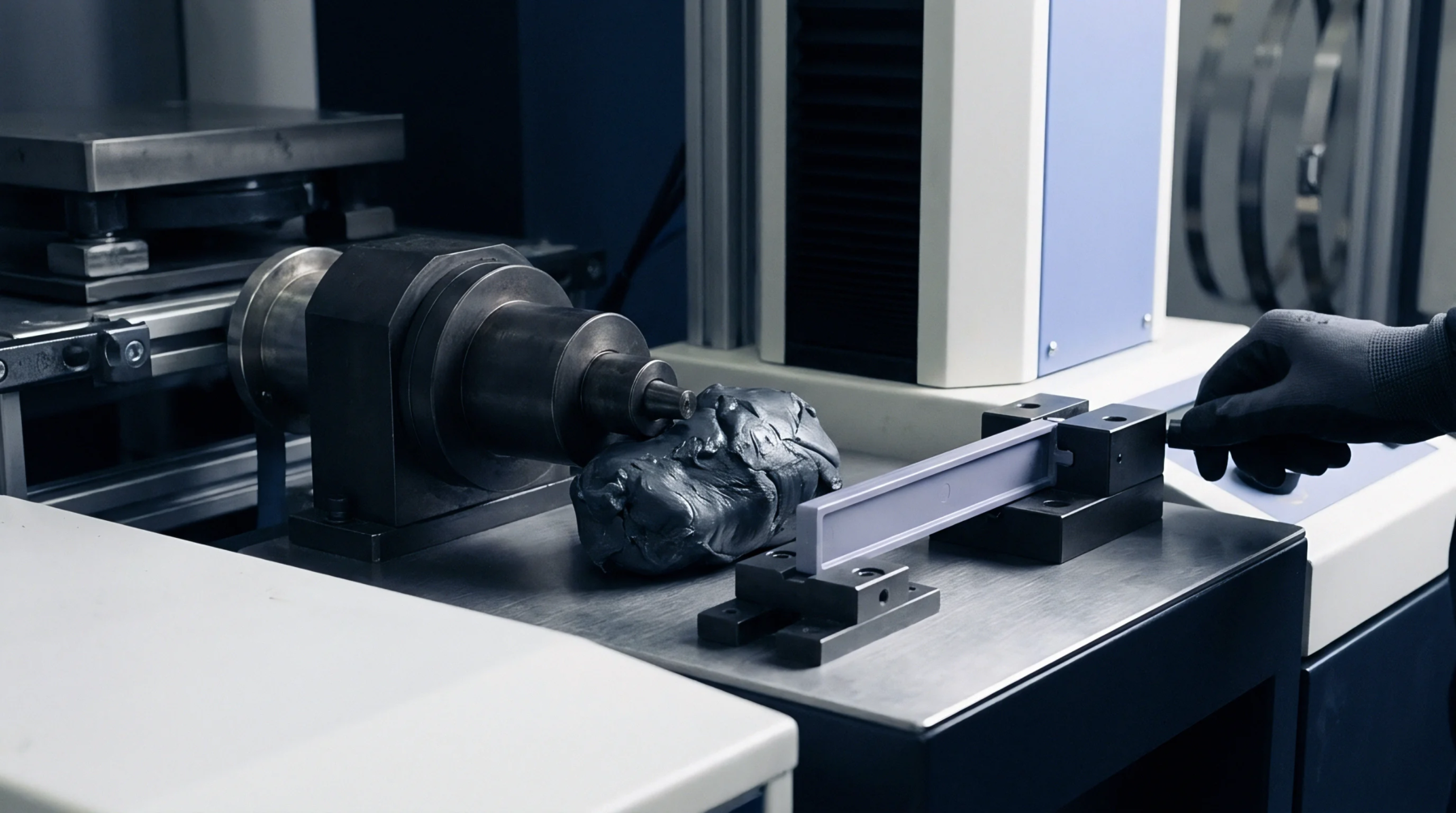
Isothermal tests at elevated temperatures are used to accelerate the measurement process. Determining the strain hardening modulus involves stretching a specimen until the chains are taut and calculating the slope of the stress strain curve. This standardized method provides a fast way to screen new resin grades for pipe production.
Quality control labs rely on this value to ensure that each batch of resin meets the longevity requirements for buried infrastructure. The measurement is a fundamental part of the classification system for modern high density polyethylene.