Injection Tooling Bailment Agreements and Foreign Possession Rights
Cross-border bailment agreements protect injection tooling when backed by deep steel tags, foreign registry filings, and explicit lien waiver covenants.

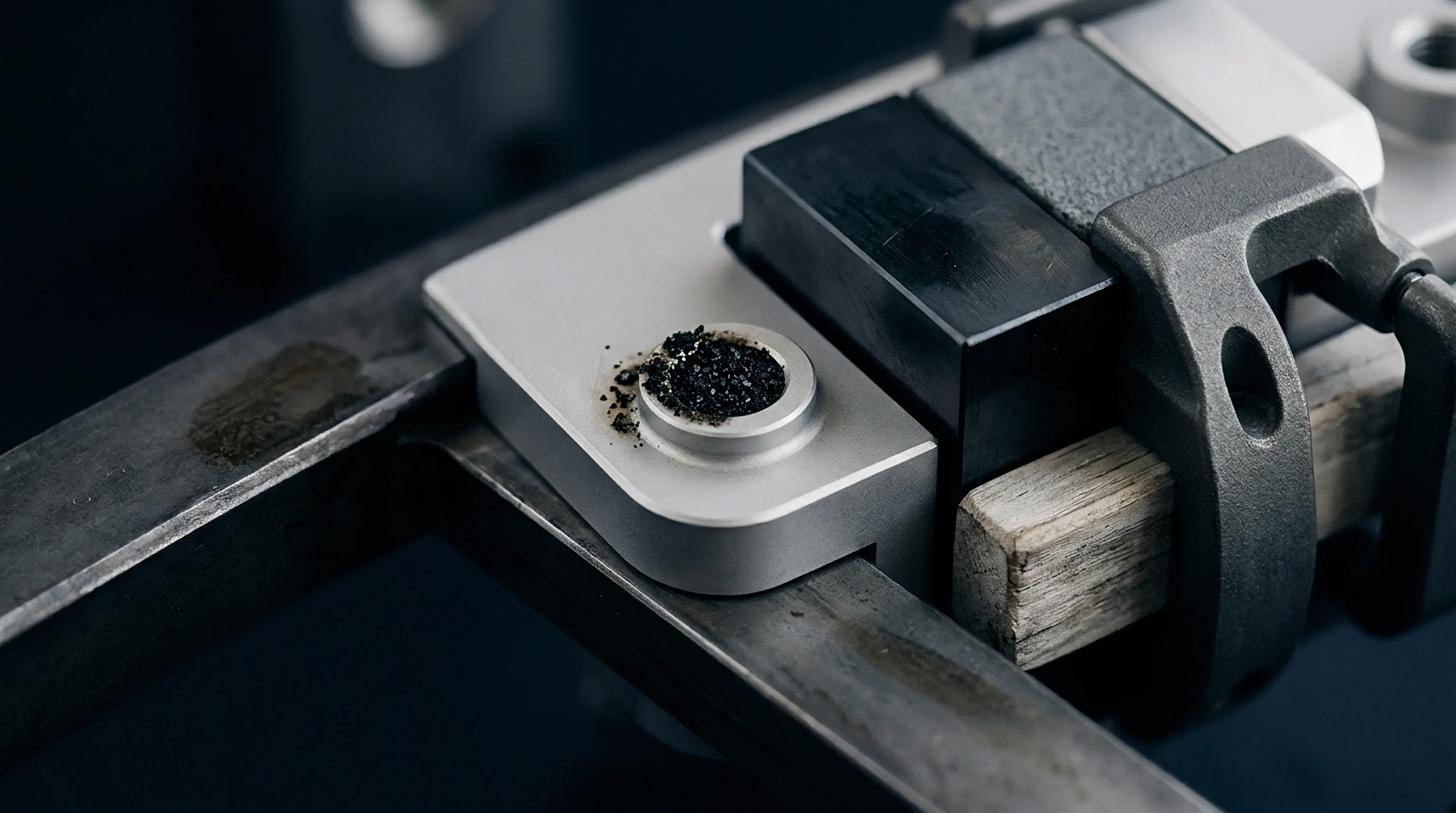
Plate
Cross-border supply chains routinely put expensive hardened steel tooling into foreign contract facilities. Without clear legal and physical protections, an overseas molder can claim ownership or place a lien on the asset when commercial disputes arise. A proper tooling bailment agreement separates title from possession, keeping ownership with the buyer while granting the supplier physical use strictly for part fabrication.
Holding title on paper means little without clear physical identification on the shop floor. Foreign courts usually assume that whoever physically holds an asset owns it, unless permanent, non-removable markings prove otherwise. Paper labels and painted inventory codes deteriorate quickly around hot presses, where exposure to heat, coolant, and degreasers wipes them out within hours.
Physical Identification Standards for Foreign Tooling
Standard aluminum plaques riveted to mold bases rarely survive shop floor conditions. Operating temperatures above 180 degrees Celsius on hot-runner manifold plates burn through conventional labels, and hydraulic leaks wash away printed serial numbers. Molds require permanent, high-contrast mechanical marking directly cut into the structural plates.
Reliable tagging uses stainless steel asset plates set inside recessed pockets on the non-operator side A-plate and B-plate. Recessing the pocket stops the plate from shearing off during transport or press setup. Each plate needs to show the buyer’s full legal entity name, global asset identification number, mold serial number, and explicit title reservation text translated into the host country’s official language.
An unengraved tool body allows host factories to claim equity ownership under local possession presumption laws.

Deep Metal Engraving and Tagging Verification
Milling details directly into the outer B-side clamp plate offers permanent proof of ownership. Machining depths between 0.8 millimeters and 1.2 millimeters remain legible even after surface grinding, plate re-machining, or full tool refurbishing. The engraving should cover both ownership rights and core technical data, including dry mold weight, stroke distance, and maximum hydraulic pressure.
Serialization stops tool swapping. A factory running identical cavities across multiple client programs might try to hand over an older, worn mold base during a recovery dispute. Embedding high-temperature radio-frequency identification transponders into milled pockets ~ potted with epoxy resin rated for continuous exposure up to 230 degrees Celsius ~ prevents these substitutions.
- Recessed Identification Plates ~ Stainless steel tags mounted inside 3-millimeter milled pockets on primary mold plates, secured with tamper-resistant Torx screws and high-temperature threadlocker.
- Direct CNC Steel Engraving ~ Machine-engraved text on the B-plate clamp face identifying legal titleholder, contact details, and asset registration codes in dual languages.
- High-Temperature RFID Transponders ~ Encapsulated tracking transponders embedded behind non-magnetic stainless steel plugs, recording maintenance history and tool identity during audit scans.
- Cavity Plate Serialisation ~ Individual core and cavity insert stampings matching primary tooling drawings to prevent component swapping across unauthorized mold frames.
Clause 14.2 of the international bailment template establishes immediately verifiable possessory rights for the buyer as soon as the steel arrives, counteracting local assumptions of factory ownership.


Lien
Foreign contract molders often refuse to release tooling when disputes crop up over cycle times or scrap allowances. In many jurisdictions, statutory law gives suppliers a possessory lien over customer tooling sitting on their shop floor. These retention rights let the press operator hold a mold hostage as collateral for claimed unpaid invoices, unamortized engineering fees, or disputed inventory costs.
Bailment contracts generally survive a supplier’s insolvency, but local courts almost always favor a local supplier’s statutory lien over an unfiled foreign contract claim. A solid agreement includes explicit lien waivers, blocking the supplier from claiming retention rights under any scenario ~ even when part invoices are actively disputed.

Statutory Retention Claims in Contract Manufacturing
Overseas suppliers frequently leverage possessory rights during price renegotiations. Civil codes across major manufacturing regions give processors and repair shops a statutory right to hold modified items until they are paid. Molders stretch this logic to cover entire tooling packages, claiming that routine preventive maintenance, gate adjustments, or core polishing count as value-added repairs that justify a lien.
Defeating possessory liens takes a clean separation between tooling payment obligations and component purchases. If part payments become contentious, the molder cannot legally connect component balances to tool retention as long as the agreement establishes that tooling accounts are fully paid and distinct from piece-part balances.

Dispute Mechanics over Unpaid Machine Hours
Disagreements over cycle time benchmarks routinely stall tool transfers. If an initial trial targets a 22-second cycle, but production realities demand 28 seconds to maintain dimensional tolerances under DIN 16742 Grade TG6, the molder takes a financial hit on quoted machine rates. Suppliers frequently try to recoup these losses by holding the mold when the buyer tries to relocate production.
Heading off operational liens requires formal balance-sheet sign-offs at every major milestone. The buyer needs written confirmation of full tooling payment and asset release authorization immediately after T1 sampling and final Part Submission Warrant approval. That paper trail guts subsequent claims of unpaid development or modification costs.
- Express Mechanics Lien Waiver ~ Contractual covenants where the molder surrenders all statutory, equitable, and common-law retention rights over customer tooling assets.
- Segregated Invoice Processing ~ Strict division between tooling purchase orders and piece-part manufacturing accounts to eliminate cross-collateralization arguments.
- Pre-Signed Exit Clearance Letters ~ Executed release documentation held in escrow, authorizing third-party rigging contractors to remove tooling upon contract termination.
- Deficit Settlement Mechanisms ~ Standardized arbitration procedures for resolving machine-hour rate disputes without delaying physical tool relocation.
Regional customs are sometimes invoked to justify withholding tooling until historical development hours are reimbursed.


Filing
A bailment agreement drafted at home carries no weight in foreign commercial courts without local registration. Foreign bankruptcy administrators routinely ignore choice-of-law clauses during liquidation proceedings for a failed contract manufacturer. Protecting tooling from liquidation pools requires registering ownership directly with asset registries in the host country.
Unregistered claims invariably lose out to tax liens. Establishing priority requires strict compliance with local chattel mortgage rules, personal property security laws, or public asset registries before steel ever crosses international borders.
Which Registry Defeats a Local Creditor Claim?
Filing with pledge registries in target countries establishes legal priority over third-party lenders. In civil law jurisdictions, foreign bailment rights must be recorded on public movable asset platforms to prove ownership. That registration turns a private agreement into a public legal encumbrance binding bankruptcy courts, tax authorities, and secured lenders.
Filing a security interest stops third-party seizures in their tracks. When local officials audit an insolvent supplier, registered assets are carved out of the liquidation pool. Without that public filing, court-appointed liquidators seize everything on the shop floor, leaving the foreign buyer to fight long, expensive court battles over title against secured domestic creditors.

Cross-Jurisdictional Registration Mechanics
National asset protection laws prescribe specific filing procedures for offshore manufacturing tooling. Under the Civil Code of the People’s Republic of China, bailment rights depend on public filings through the Credit Reference Center of the People’s Bank of China. In Mexico, equipment operating under IMMEX maquiladora programs must be recorded on the Sole Registry of Movable Guarantees (RUG) so tax authorities cannot place liens on foreign-owned assets.
| Jurisdiction | Governing Statute / Registry | Perfection Requirement | Priority Against Third Parties |
|---|---|---|---|
| China | Civil Code Art. 888 / PBOC Credit Reference Center | Online registration of bailment agreement and engraved asset numbers within 10 days of import. | Superior to unfiled bank mortgages and local trade creditor claims; subordinate to statutory labor liens. |
| Mexico | Commercial Code Art. 32 bis / RUG (Registro Único de Garantías) | Public registry filing of foreign asset title combined with IMMEX temporary import inventory tags. | Defeats SAT tax attachment and general creditor liquidations; requires matching pedimento documentation. |
| Vietnam | Civil Code Art. 554 / National Registration Agency for Secured Transactions (NRAST) | Registration of foreign lease or bailment rights prior to customs clearance at destination port. | Protects asset from landlord distress warrants and local bank floating charges on factory equipment. |
| Germany | BGB Section 930 / Direct Possession Lease Protocol (Besitzkonstitut) | Notarized bailment contract establishing indirect possession (Mittelbarer Besitz) with marked steel tags. | Full exclusion from insolvency estate (Aussonderungsrecht) under Section 47 of Insolvenzordnung. |
In Chinese commercial litigation, a bailment registration completed within 30 days of import secures priority over secondary lender seizures.
Skipping local registration leaves tooling exposed to seizure by third-party creditors if the host plant enters bankruptcy.
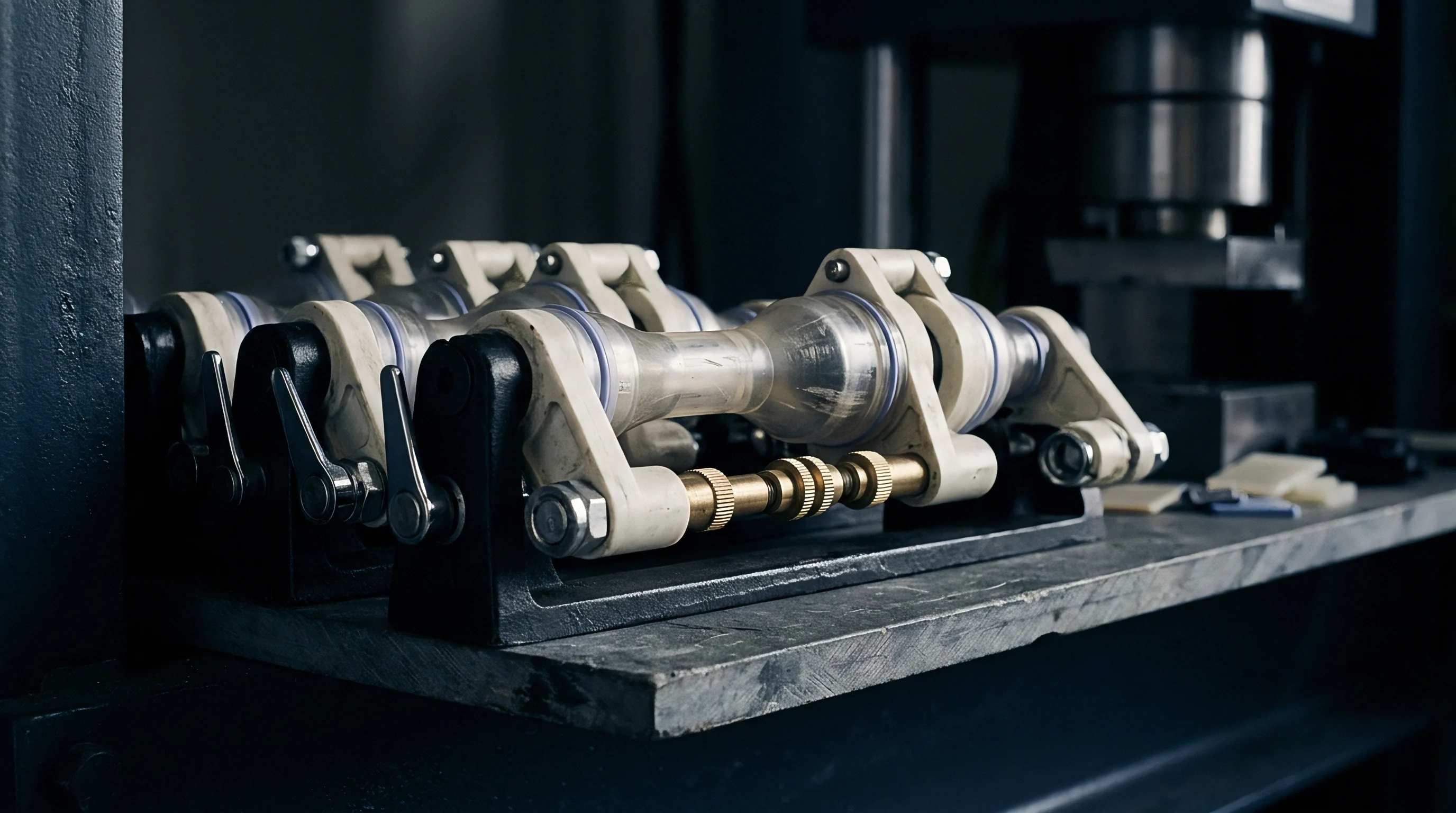
Log
Press-side tracking creates an evidentiary paper trail that proves compliance with bailment terms. Molders racing to hit volume quotas frequently run customer-owned tooling past agreed maintenance intervals, accelerating wear and causing early cavity fatigue. A proper log setup requires verifying cycle counts, routine maintenance, and tooling modifications right at the press.
Molds require tight thermal control, and tracking process data quickly exposes unauthorized production runs. If a mechanical counter shows 500,000 cycles on a tool but purchase orders cover only 300,000 finished components, the facility is running off-book ghost shifts for gray-market sales or competing customer programs.
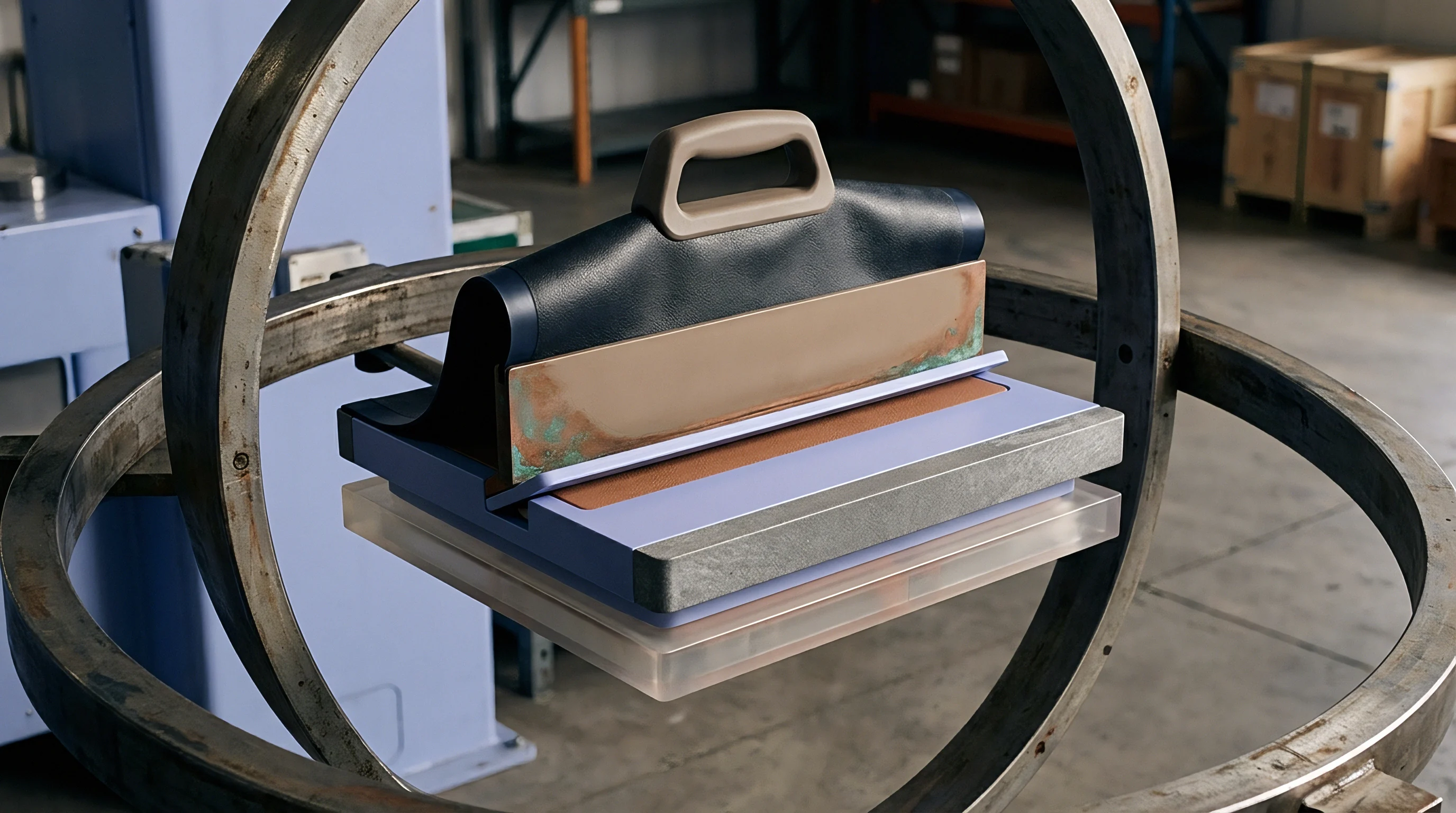
Press-Side Shot Tracking and Preventive Maintenance
Mechanical cycle counters mounted on the mold frame record every clamp closure. Non-resettable, seven-digit counters set inside the mold base cannot be altered without leaving obvious physical damage on the housing. Advanced monitoring adds electronic counters with built-in accelerometers and thermal sensors to log opening speeds, peak operating temperatures, and total run time.
Clean data is critical when settling warranty claims. When ejector pins, core slides, or hot-runner nozzles fail, maintenance logs supply the evidence needed to assign cost. If a supplier skips the lubrication cycles required every 50,000 shots under SPI Class 101 rules, the shop bears the full expense of repairs and replacement inserts.

Cavity Wear Records and Subcontractor Audits
Subcontracted molders often run abrasive glass-filled resins that wear down cores far faster than baseline models suggest. Running a 30 percent glass-filled polybutylene terephthalate (PBT) resin through unhardened P20 steel tooling erodes gates and thins cavity walls in as few as 75,000 cycles. Maintenance logs need to document resin lot chemistry, melt temperatures, and injection pressures to confirm the press stayed within allowed windows.
- Verify mechanical cycle counter readings against physical part production delivery receipts during quarterly onsite floor audits.
- Inspect core and cavity parting lines for flash formation indicating parting line collapse, plate deflection, or press clamping force mismatches.
- Audit slide guide alignment, gib wear plates, and angle pin lock blocks for metal galling caused by inadequate high-temperature lubrication.
- Measure gate land dimensions and runner orifice diameters using optical comparators to quantify erosion from abrasive filled polymers.
- Log hot-runner manifold electrical heater zone resistance values to catch thermal degradation before element failure causes melt degradation.
ISO 20753 specimen maintenance specifications dictate that unrecorded core refurbishments invalidate existing part dimensional warranties.
Routine physical checks of press-side shot counters prevent undocumented production runs.
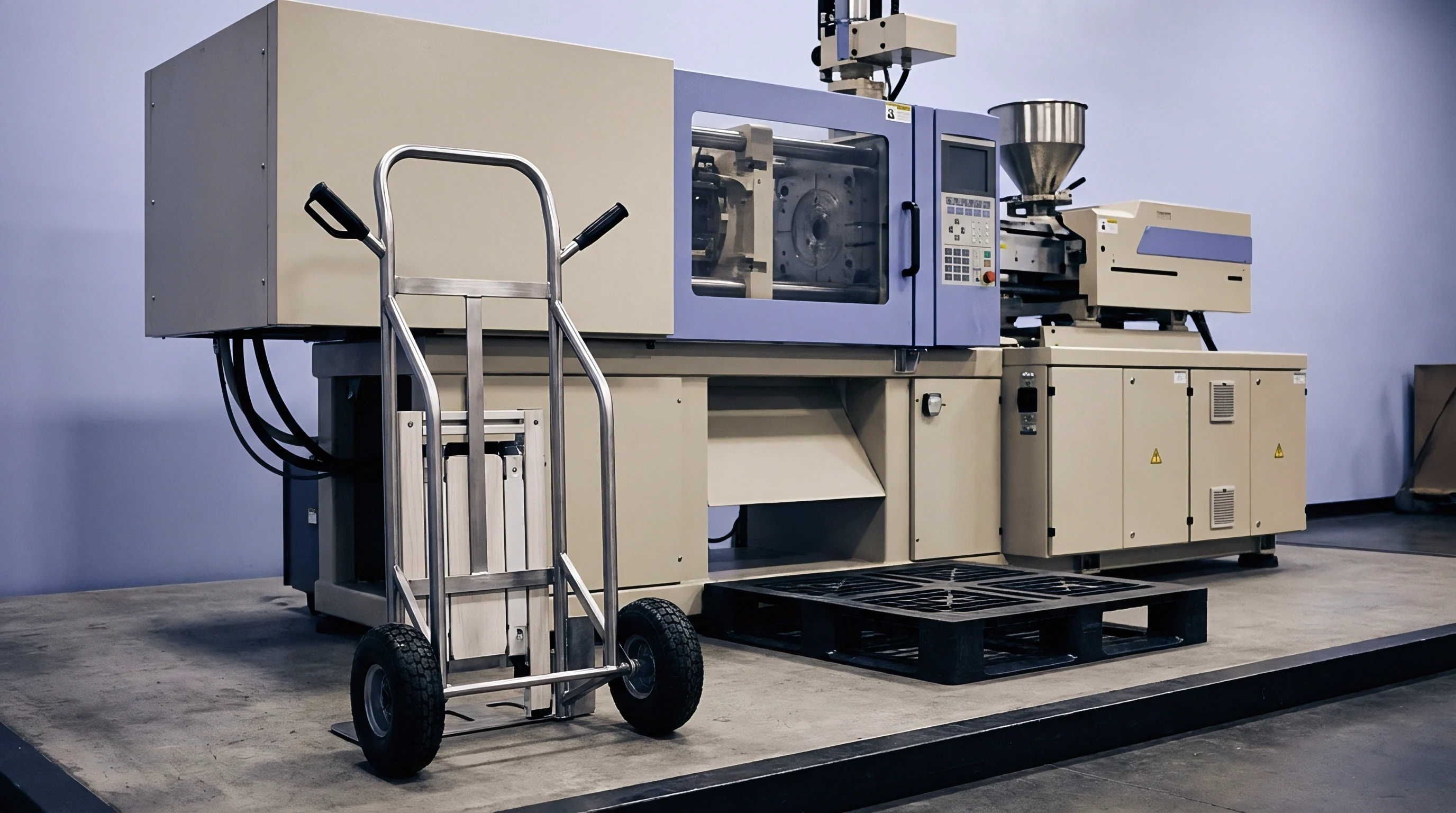

Extraction
Pulling a mold out of a hostile factory takes meticulous operational planning. When a contract fails, suppliers often try to deny plant access, stall rigging crews, or ruin core surfaces to block program transfers. The bailment contract must set out explicit retrieval rules, giving the buyer immediate, unhindered access to reclaim foreign-owned assets.
Rigging delays quickly balloon transit costs. Retrieving tooling successfully takes pre-arranged logistics, qualified rigging crews, live video audits during pack-out, and ready export paperwork to clear host country customs without delay.
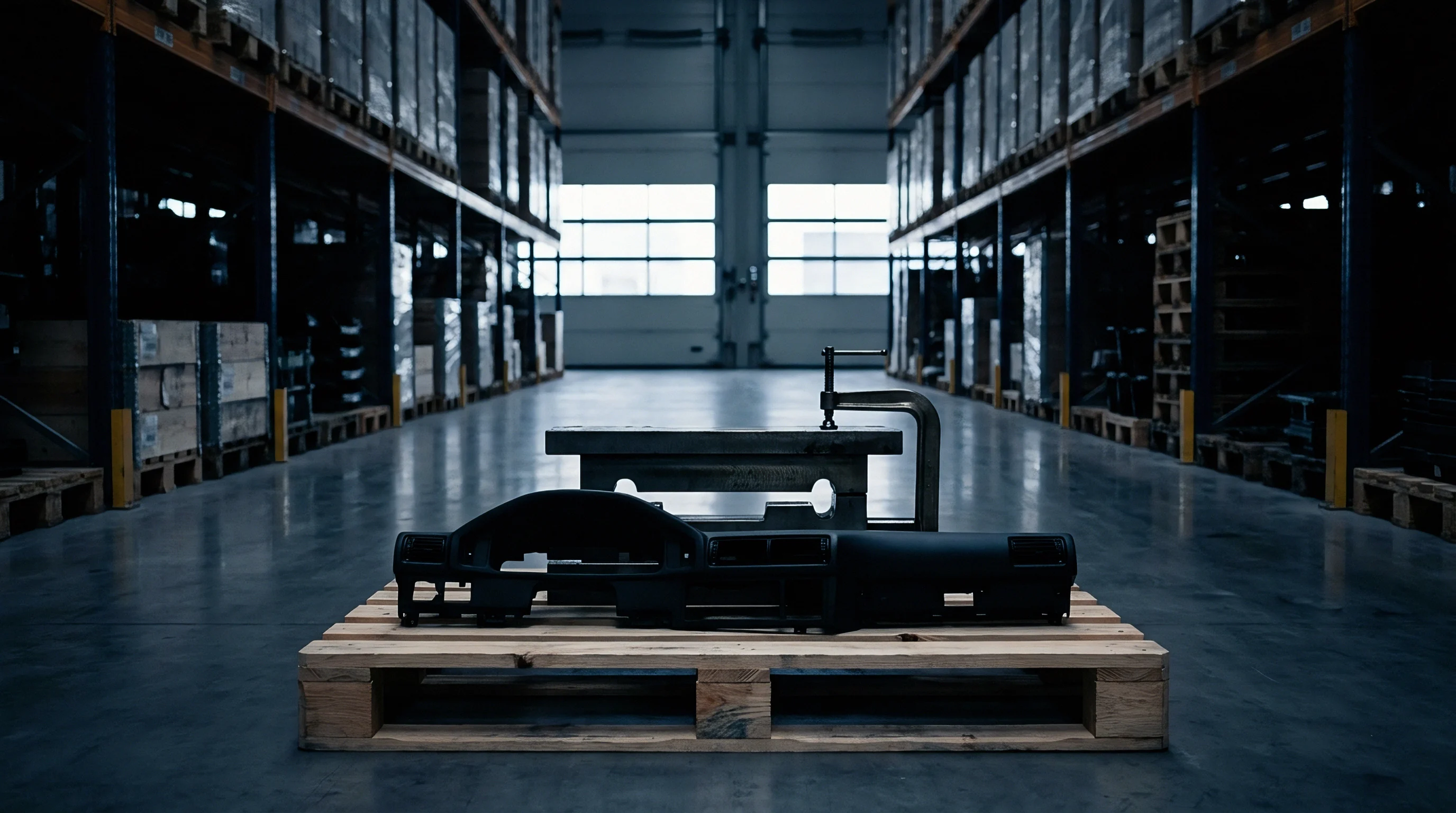
Physical Removal Protocols and Rigging Security
Sending specialized logistics staff directly to the plant floor prevents tool sabotage. Rigging crews should run through strict checklists to ensure auxiliary equipment, water lines, hot-runner controllers, and custom ejector rods are retrieved with the mold base. Before any crane work begins, technicians must lock the tool closed with high-strength steel shipping straps painted bright safety red.
Serialized tags prevent component swapping during pull-out. Technicians need to inspect recessed identification plates, verify RFID tag signatures, and photograph core and cavity surfaces before packing. Any physical damage, missing parts, or unapproved tool modifications must be documented in a signed handover protocol before the truck leaves the site.

Customs Clearance for Foreign Tool Repatriation
Customs officials insist on proof that returning tooling matches original import filings. Molds brought in under temporary import structures ~ like Mexico’s IMMEX or Chinese processing trade allocations ~ must clear export customs under corresponding tariff codes (HS Code 8480.71 for injection molds). Discrepancies between declared import weight and final export weight trigger immediate holds and physical inspections.
- Original Import Pedimento or Customs Declaration ~ Primary import documentation proving foreign ownership, original asset valuation, and temporary duty exemption status.
- Commercial Export Invoice and Packing List ~ Itemized manifest detailing mold serial numbers, gross weight, net steel weight, and outer crate dimensions.
- Executed Bailment Repatriation Authorization ~ Direct written notice from the legal owner exercising contractual retrieval rights following supplier default or contract expiry.
- Condition Inspection Certificate ~ Signed floor audit document verifying tool integrity, shot counter reading, and core condition at the moment of factory departure.
Unsettled export duty claims on modified cores can leave shipping schedules hanging in the balance.

Valuation
Accounting for overseas tooling requires matching tax depreciation to real physical wear. Injection molds wear down from thermal cycles, clamping forces, and resin abrasion rather than the passage of calendar months. Setting realistic valuation schedules protects buyers during cross-border tax audits, insurance claims, and contract terminations.
Duty calculations hinge on declared residual value. When shipping modified or refurbished tooling back home, customs authorities assess duties on current book value instead of original purchase price. Over-depreciating asset values on manifests brings heavy undervaluation penalties, while under-depreciating leads to excessive import duties at destination.

Depreciation Accounting for Cross-Border Tooling Assets
Accounting rules allow straight-line depreciation over projected production runs. But high-volume tooling built from premium steels like AISI H13 or ASSAB S136 (hardened to 48-52 HRC) can run millions of cycles, while lower-grade P20 steel wears down rapidly after 200,000 shots. Valuation models must account for core steel grade, cavitation count, and resin abrasiveness to reflect actual asset wear.
Steel condition drives scrap accounting. When a foreign mold reaches the end of its useful life, physical destruction must be formally documented for corporate write-offs and local customs clearance. Overseas plants cannot simply scrap foreign-owned steel without certified destruction protocols from licensed industrial recyclers.

Worked Calculation for Steel Lifecycle Amortisation
Consider a 16-cavity hot-runner tool built from DIN 1.2344 steel running a 30 percent glass-filled polyamide. Initial investment is 160,000 USD, with an expected production life of 1,000,000 shots before full core replacement becomes necessary. Annual production volume sits at 250,000 shots.
Under shot-based variable depreciation, the asset depreciates at 0.16 USD per cycle. By the end of Year 2 (500,000 accumulated cycles), total depreciation reaches 80,000 USD, leaving a net book value of 80,000 USD. Refurbishing the core at 500,000 cycles for 35,000 USD adds to the capital base, raising asset value to 115,000 USD and adjusting the depreciation rate to 0.23 USD per shot across the remaining 500,000 cycles.
| SPI Class | Core / Cavity Steel | Cavitation | Rated Cycle Life | Annual Depreciation Rate | Residual Value at 500k Shots |
|---|---|---|---|---|---|
| Class 101 | ASSAB S136 / AISI H13 (50 HRC) | 16 Cavities | 1,000,000+ | 10% Straight-Line / Variable per Shot | 50% of Initial Capitalized Value |
| Class 102 | AISI P20 Hardened (30-32 HRC) | 8 Cavities | 500,000 | 20% Straight-Line / Rapid Wear Curve | 15% (Requires Major Refurbishing) |
| Class 103 | P20 Pre-hardened / NAK80 | 4 Cavities | 250,000 | 33.3% Straight-Line / Early Fatigue | 0% (Exceeded Rated Production Life) |
| Class 104 | Aluminum 7075-T6 / Mild Steel | 1 Cavity | 100,000 | 50% Straight-Line / Prototype Duty | Scrap Metal Salvage Value Only |
| Methods Note: Residual asset values assume non-abrasive unfilled resins (polypropylene or ABS). Abrasive glass-filled engineering polymers accelerate baseline depreciation rates by 1.8x to 2.4x depending on glass loading percentage. | |||||
Building cross-border bailment agreements around explicit physical identification, local public filings, press-side audit rights, and realistic valuation models gives buyers complete legal protection over tooling assets in overseas plants.