Meaning
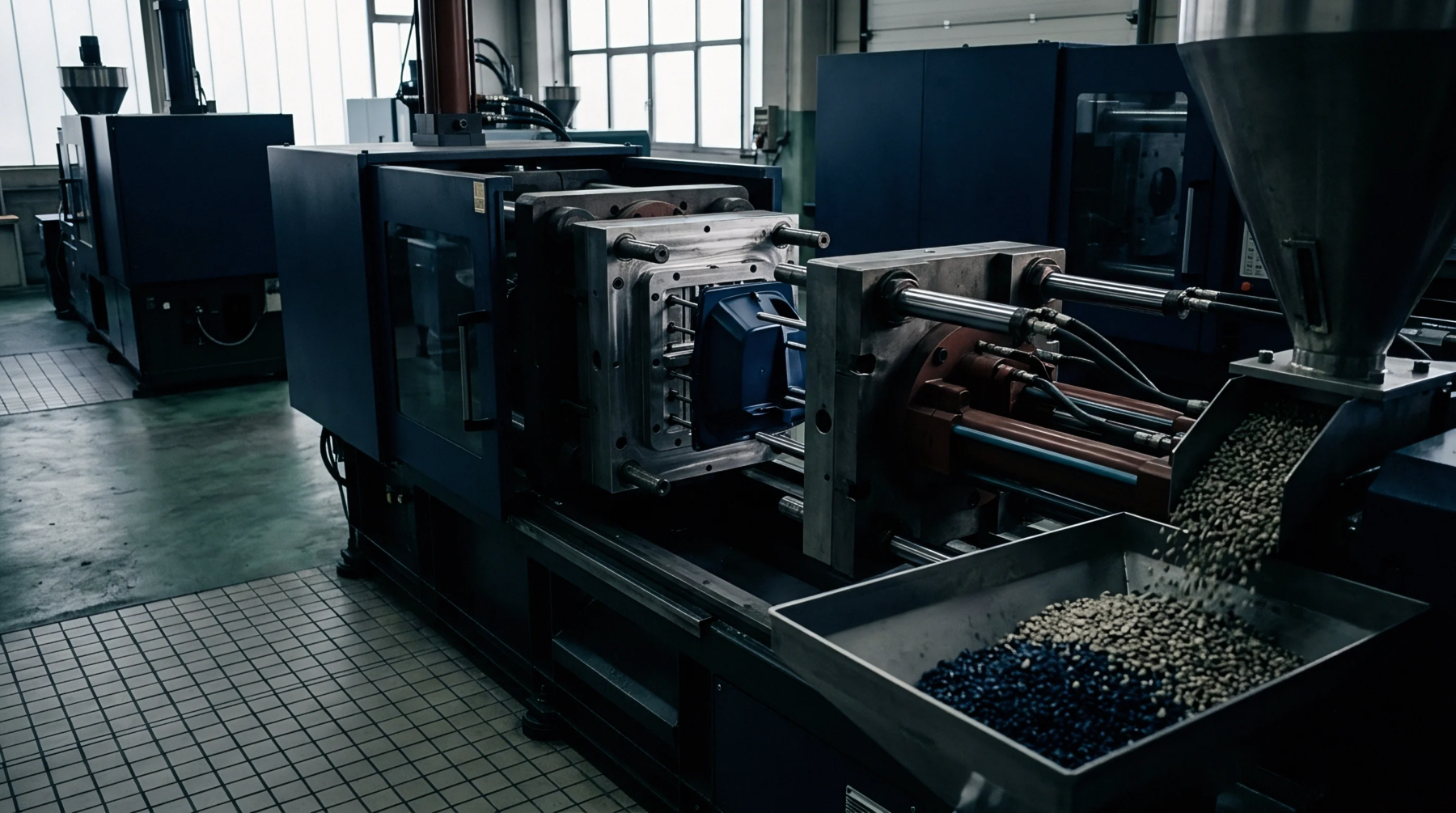
Operational service records document every inspection, repair, cleaning cycle, and component replacement performed on a production tool over its lifecycle. In precision injection moulding, mold maintenance logs establish the physical condition, wear history, and servicing compliance of cavity inserts and mechanical actions. These historical records trace part defects back to specific mechanical wear patterns, guiding preventative maintenance intervals and tooling refurbishments.
Complete documentation protects mould life guarantees and satisfies quality audit requirements.
Refurbishment Tracking
Scheduled servicing intervals prevent catastrophic tool failures by replacing worn ejector pins and seals before galling occurs. Maintaining mold maintenance logs ensures technicians record shot counts at every tool teardown, tracking guide pin lubrication and vent cleaning cycles. Accurate tracking prevents unexpected cavity damage during high-volume production runs.
Quality Assurance
Root cause analysis of dimensional variation relies on detailed servicing histories to isolate mechanical wear from resin lot fluctuations. Standardized mold maintenance logs capture polish levels, parted line flash repairs, and hot runner heater band replacements following every production run. When cosmetic defects like burn marks or flash appear on moulded parts, quality engineers cross-reference log entries against shot counts to identify worn vents or misaligned core slides.
Transparent servicing records validate warranty claims between mould builders and contract moulders by proving compliance with prescribed maintenance schedules. Digital logs connected to press cycle counters automatically generate work orders when maintenance thresholds are reached. Regular entries maintain tooling performance over extended production contracts.
Audit Compliance
Regulatory oversight in medical and automotive moulding mandates full traceability for all equipment maintenance activities. Regulatory auditors verify mold maintenance logs to confirm that tooling modifications received proper engineering validation before parts entered commercial supply chains. Complete logs prevent product recalls caused by unapproved tool alterations.