Meaning
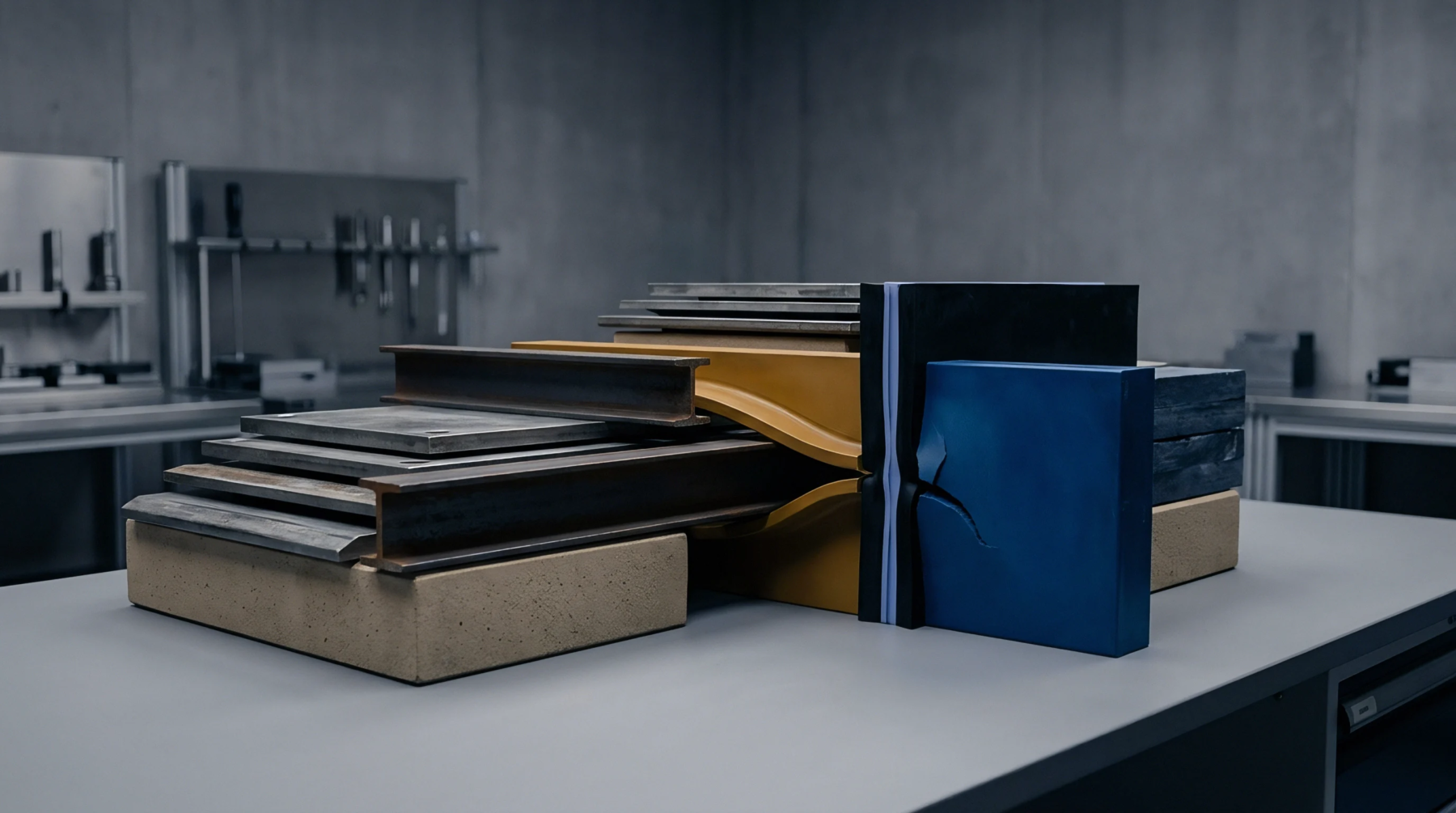
Hardened steel sliding elements bolted to parting lines and guide pillars prevent galling between moving mold halves during high tonnage clamping cycles. These components protect expensive cavity blocks by taking the frictional load during thousands of daily opening and closing sequences in injection molding machines.
Frictional Drag
Direct contact stress between sliding surfaces causes rapid adhesive wear if lubrication fails under high clamping loads. Thermoplastic processors specify specialized alloys for wear plates to withstand high surface pressures without galling or transferring metal to opposing guide components. Selecting incorrect plate hardness values leads to catastrophic galling, which seizes guide assemblies and ruins matching mold halves during production runs.
Clamp Alignment
Precise positioning of sliding components ensures uniform parting line closure across multi-cavity injection molds during high speed cycling. Uneven clamping forces generate eccentric loading patterns that accelerate wear plate degradation on one side of the tool assembly. Mold designers compensate for thermal expansion differences between aluminum mold bases and steel components by specifying appropriate clearance tolerances during the initial tooling phase.
Surface Maintenance
Regular inspection routines identify scoring marks and localized galling before friction damages expensive cavity blocks in automated production cells. Technicians apply high temperature greases containing solid lubricants to sliding interfaces to maintain low coefficients of friction during continuous manufacturing shifts. Worn components require immediate replacement to prevent mold misalignment from producing out of tolerance plastic parts with severe flash defects.