Meaning
Duration of time spent at a specific temperature ensures that the core of a thick plastic part or a large batch of resin reaches the same level of heat as the exterior. Engineers use a thermal soak to eliminate temperature gradients that could cause uneven shrinkage or internal stresses. This stage is important in both the preparation of raw materials and the post-processing of molded components.
Heat Distribution
Low thermal conductivity in most plastics means that heat moves slowly from the surface toward the center of a part. If a mold is opened before the thermal soak is complete, the center of the part may still be molten even if the skin is rigid. Providing enough time for the heat to equalize prevents the formation of voids or sink marks that appear as the material continues to cool unevenly.
Stress Relief
Annealing processes rely on a period of sustained heat to allow the molecular chains to relax into a lower energy state. This thermal soak reduces the molded in stresses that occur during the rapid cooling of the injection molding cycle. Parts that undergo this treatment are less likely to warp or fail prematurely when exposed to chemicals or mechanical loads in the field.
Process Requirement
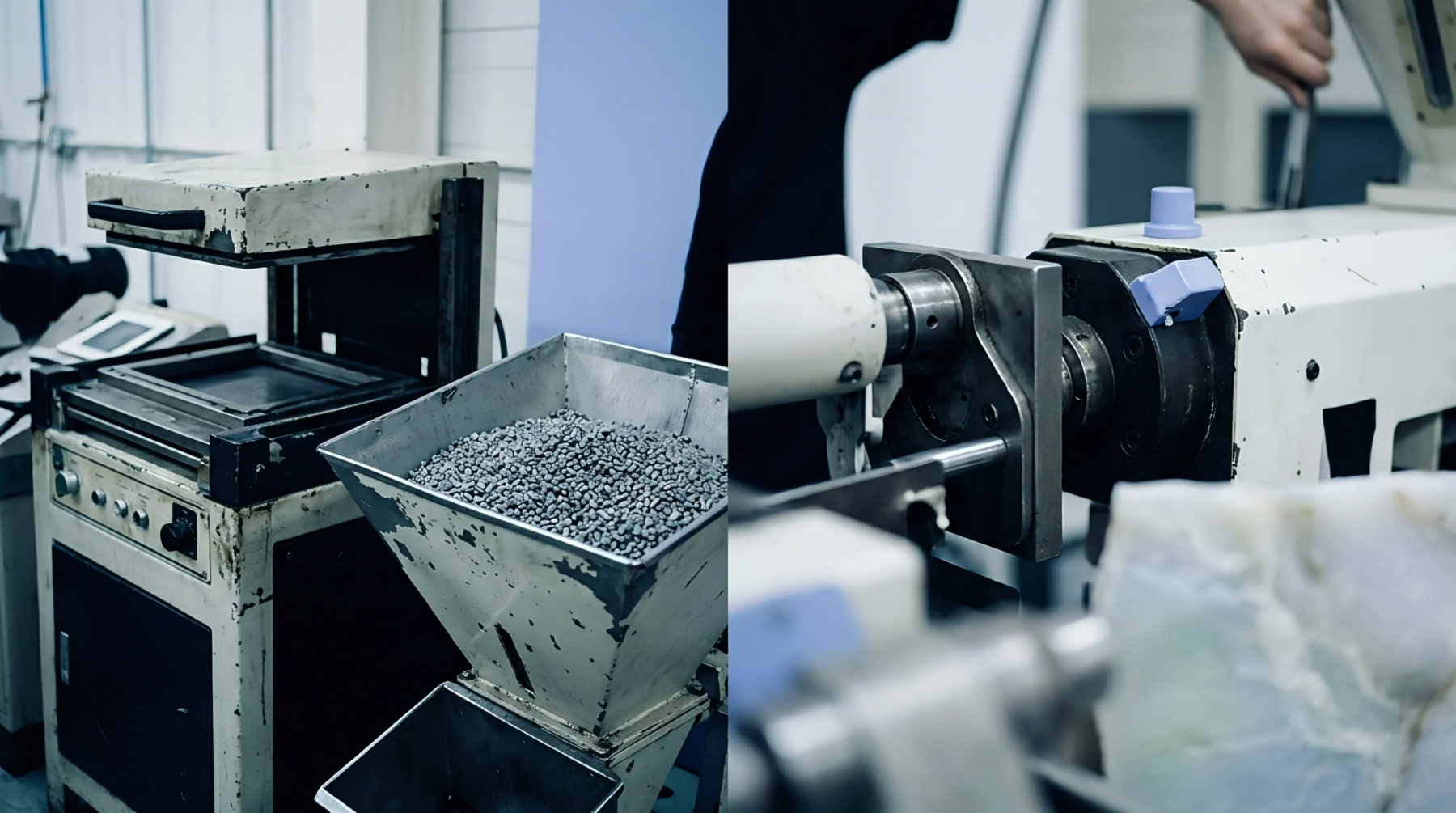
Drying hygroscopic resins requires that the pellets stay in the hopper long enough for the heat to penetrate and drive out the moisture. A thermal soak at the start of a production run also ensures that the extruder barrel and screw have reached a steady temperature. Inconsistent heating leads to variations in the melt viscosity, which makes it impossible to maintain the tight dimensional tolerances specified for the job.
Monitoring the temperature at various depths within the material confirms that the entire mass has reached the required thermal equilibrium.