Meaning
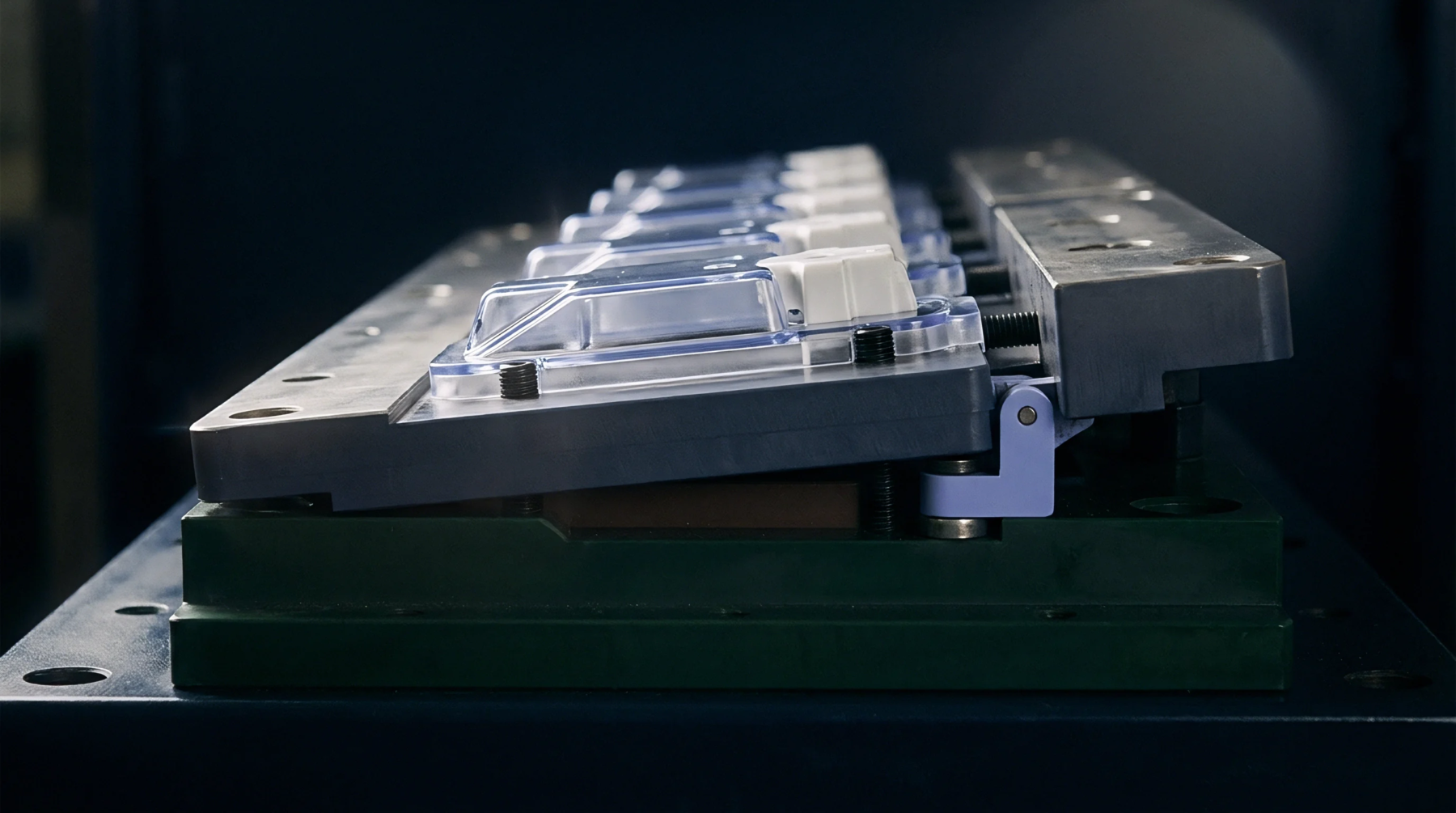
Precision steel rod with a diameter of less than one millimetre pushes micro-moulded plastic components out of the mould cavity. The sub millimetre ejector pin is common in micro-fluidics. It must withstand high forces.
Mechanical Vulnerability
Pins with such small diameters are highly susceptible to bending and buckling under axial loads. When the sub millimetre ejector pin encounters high resistance, it can break or become misaligned, which halts production. Heat-treated tool steels and protective coatings are used to increase the fatigue life and wear resistance of these delicate pins.
Mould Design
Toolmakers must ensure extremely tight clearances between the pin and its housing to prevent polymer flash. If the clearance is too large, molten resin will flow into the gap, creating a thin collar on the molded part and locking the pin in place. Advanced guiding systems are required to support the pin along its entire length, minimizing deflection and premature wear during high-speed moulding runs.
Part Ejection
Ejecting micro-parts requires a balanced force to prevent stress marks or warping. Because the contact area of the sub millimetre ejector pin is very small, it can punch through the part if the ejection force is too high. Designers must optimize the cooling time and ejector speed to ensure that the plastic has solidified sufficiently before the pins are actuated.