Meaning
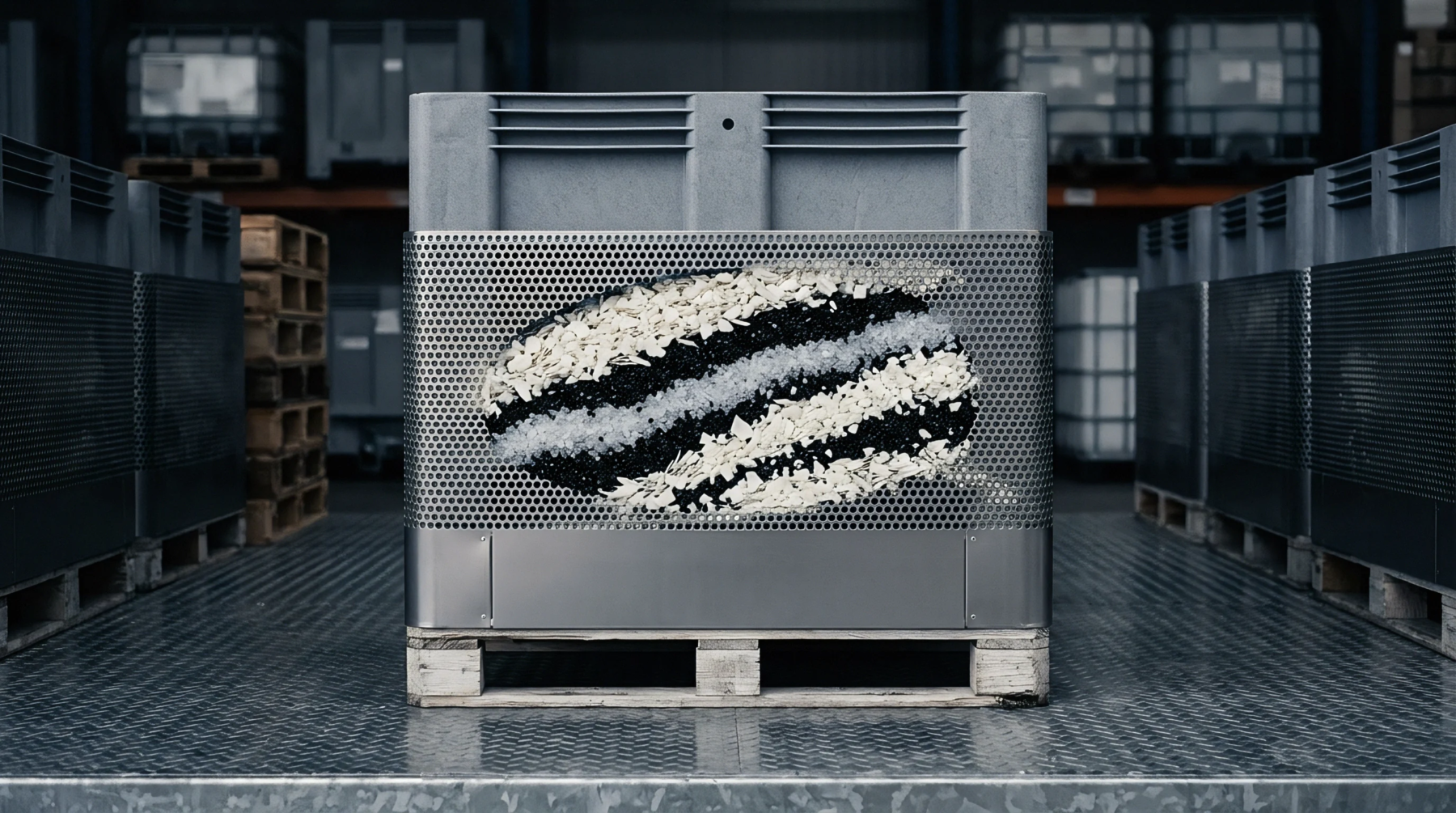
Feedstock quality thresholds define the maximum allowable level of chemical impurities in post-consumer plastic input streams. A safe input contamination limit dictates the upper concentration boundary of volatile and non-volatile impurities that a specific recycling technology can clean to achieve food-grade compliance. The calculation combines proven decontamination efficiency percentages with regulatory toxicological migration thresholds for target end uses.
Exceeding this input ceiling yields final recycled resins that transfer harmful contaminants into packaged food.
Threshold Calculation
Challenge test decontamination factors determine maximum allowable input concentrations. Higher removal efficiency allows operators to accept dirtier post-consumer bales.
Decontamination Capacity
Reactor cleaning efficiency varies based on contaminant molecular weight, volatility and polymer solubility. Calculating the safe input contamination limit requires challenge testing with surrogate compounds representing diverse chemical classes under worst-case operational parameters. Recyclers monitoring incoming flake streams must reject batches exceeding this boundary, as processing heavily contaminated material overpowers reactor vacuum systems.
Fluctuations in post-consumer collection quality frequently introduce elevated contaminant spikes, compromising the safety buffer calculated during process validation.
Feedstock Control
Processing input material above threshold limits risks regulatory non-compliance and product recalls. Verification of incoming flake purity protects downstream converters from liability associated with chemical migration failures.