Meaning
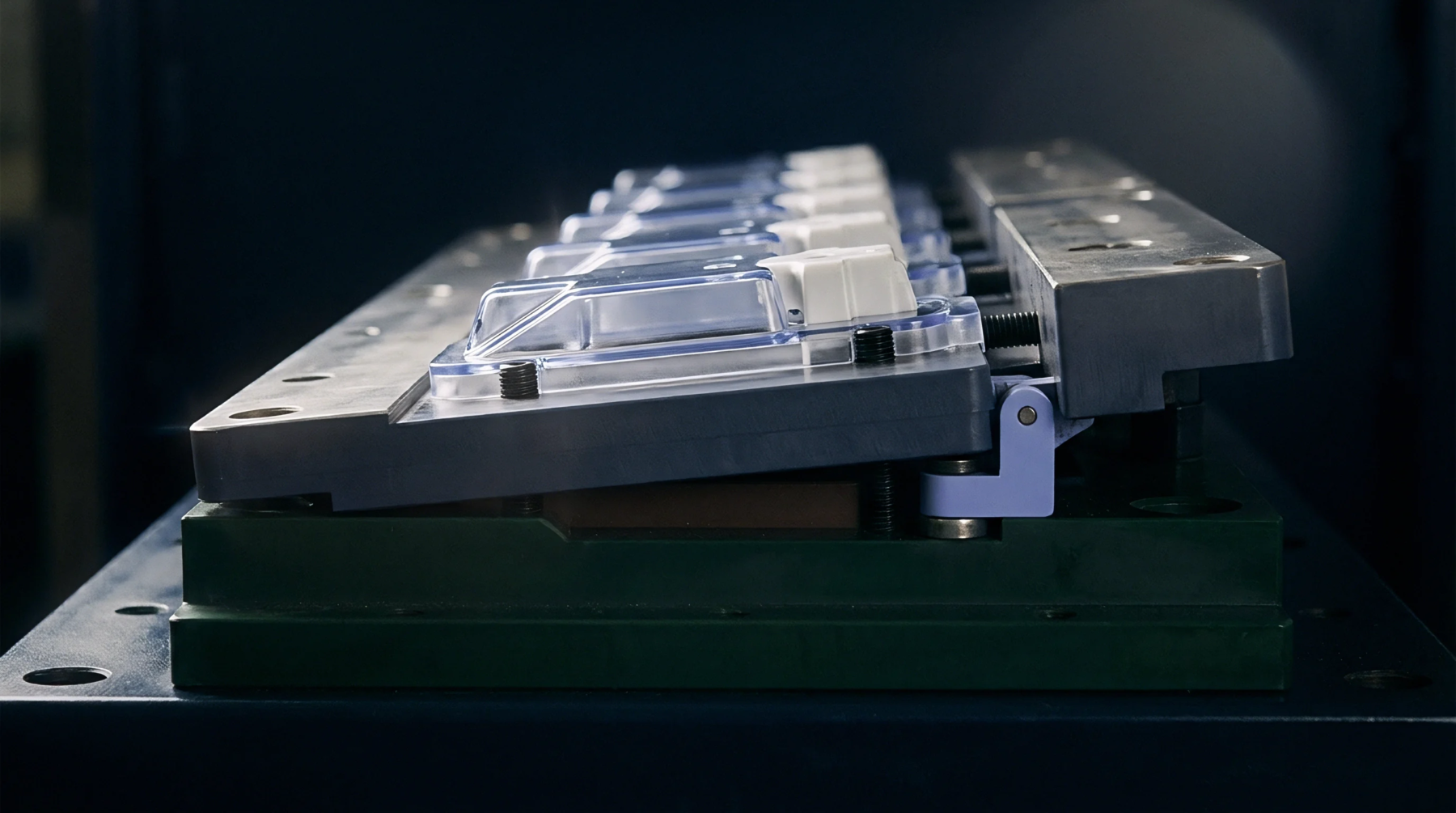
Cavity filling synchrony defines the state where molten polymer arrives at the terminal point of each flow path within an injection mould at the exact same moment. Runner balance ensures that every individual part within a multi-cavity tool reaches a packing phase simultaneously to prevent density variations across the shot. Maintaining this equilibrium requires geometric consistency in the feed system so that the resistance encountered by the melt remains identical from the sprue to each gate.
Achieving uniform flow allows the moulder to set a single pressure profile that yields consistent part weight and dimensional stability across the full production batch.
Tooling Geometry
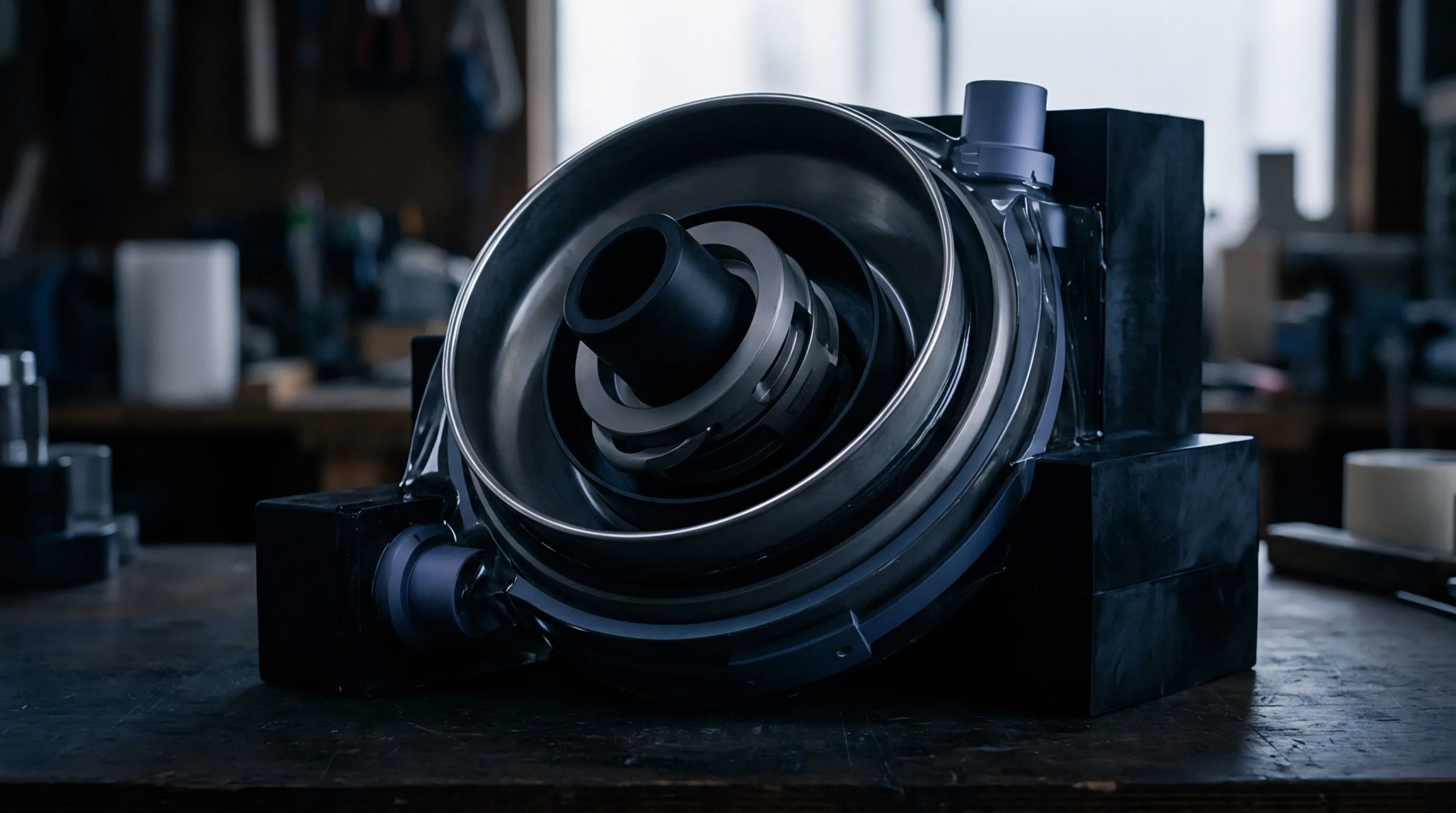
Precise design of the delivery network governs the path lengths and diameters that feed the cavities. Designers create a symmetrical layout to force identical shear heating and pressure drop characteristics for each branch of the system. Fluid mechanics dictate that slight deviations in channel diameter cause exponential differences in flow rate for viscous materials.
A system lacking such symmetry forces the operator to apply excessive packing pressure to fill the furthest cavities, which generates flash in the easier paths.
Process Consequence
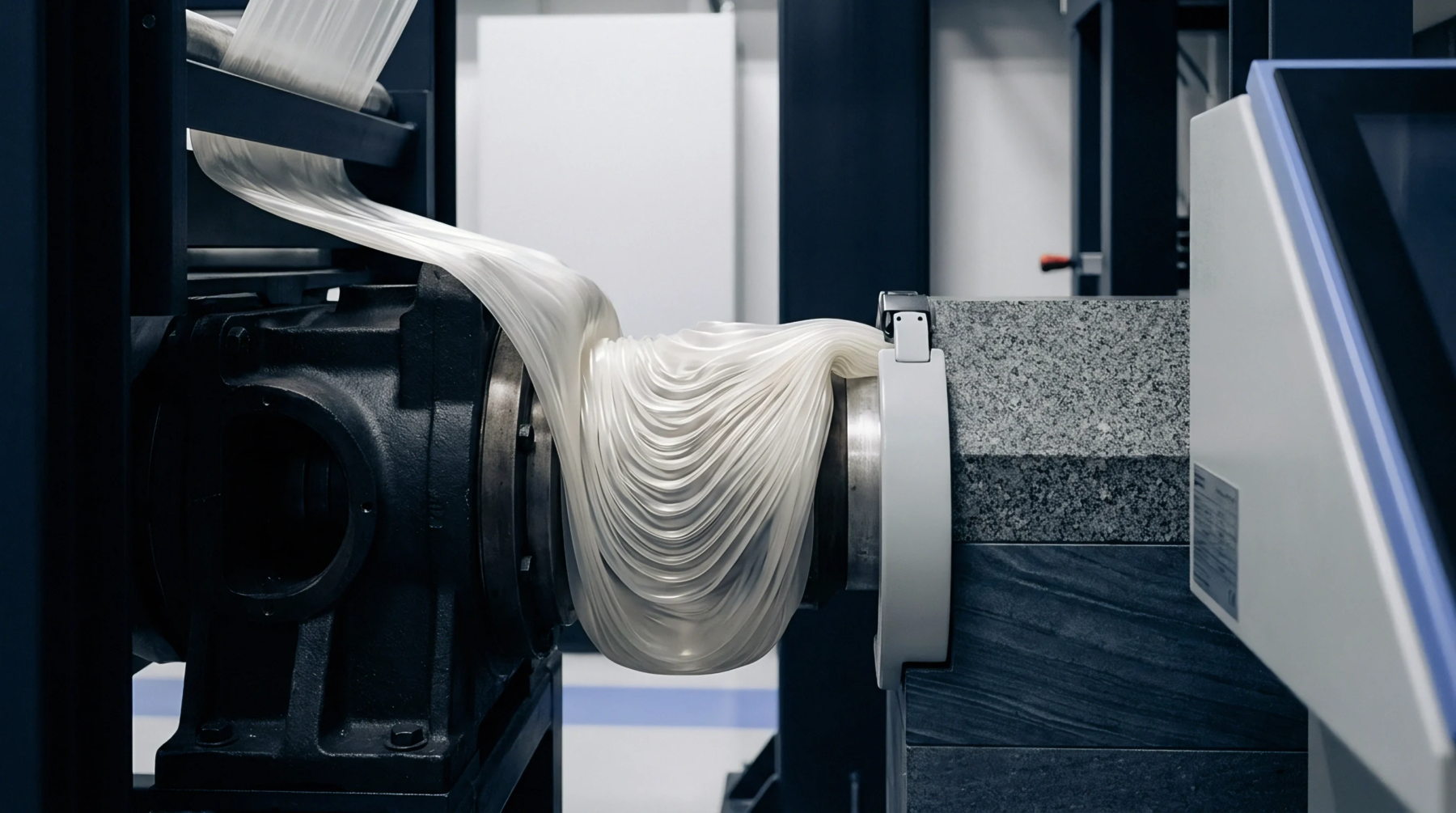
Unbalanced filling forces the material to undergo varying degrees of molecular orientation within separate cavities. Pressure differentials between parts produce deviations in shrinkage rates, which often lead to warped geometry or failing load tests for structural components. High variance in runner balance creates an inherent conflict between the need to fill the last cavity and the risk of overpacking the first one.
Reclaiming regrind often amplifies these discrepancies because changes in melt rheology respond differently to the varied shear histories found in an asymmetrical runner network.
Operational Standard
Quality control teams evaluate performance by weighing individual parts from a single shot to calculate a coefficient of variation. Measured mass remains the primary metric for verifying that the distribution of material matches the layout intent of the mould. Stable processes hold this variation under a specific threshold while unstable ones show clear drifting as the material temperature or injection velocity changes.
Effective runner balance provides the physical foundation for predictable part quality by locking the process variables within the tool design itself.