Meaning
Crystalline electronic components convert mechanical stress into electrical signals or generate mechanical strain when excited by voltage. The piezoelectric quartz transducer relies on the atomic geometry of silicon dioxide to produce a stable charge proportional to the applied force. It operates within a rigid limit defined by the Curie temperature where the lattice structure loses its electromechanical polarity.
This device provides high stiffness for precise measurement of transient pressure spikes.
Polymer Processing
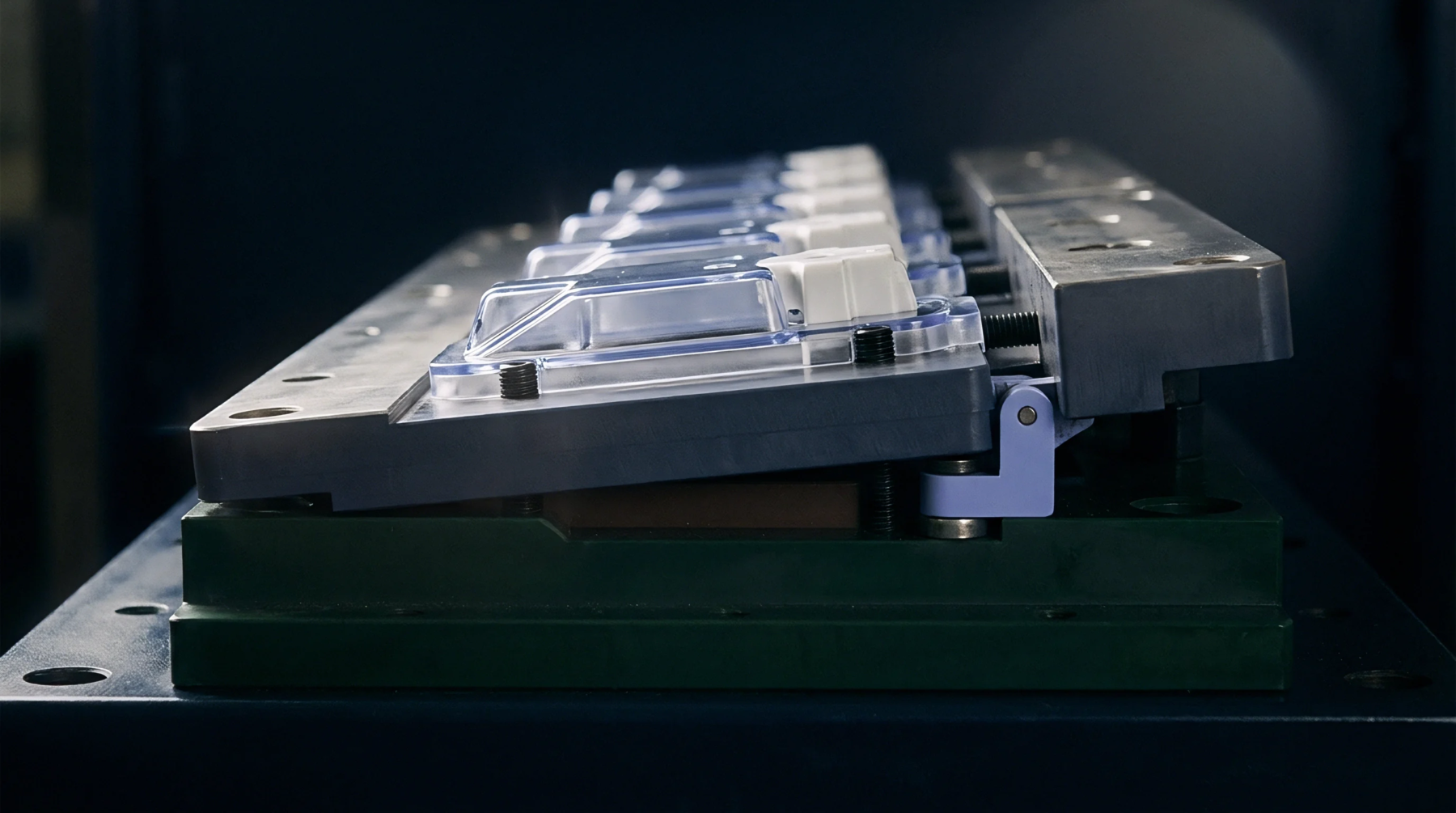
Resin injection moulding cycles rely on this sensor to monitor cavity pressure in real time. The piezoelectric quartz transducer sits inside the mould tool to track the packing and holding phases of production. It captures the exact moment molten plastic reaches the gate to stop short shots or flash.
Precise monitoring of these pressure profiles allows for the correlation of part weight with machine hydraulic input.
Tooling Integration
Mould makers install the sensor behind an ejector pin or a dedicated load washer to translate force into a voltage signal. A charge amplifier then converts the raw output into a usable analogue current for the controller. Calibration of the system requires a known load applied to the pin while the mould remains at operating temperature.
Proper installation prevents signal noise from thermal expansion or mechanical vibration inside the press.
Production Economics
Manufacturers use high accuracy output to verify the quality of each shot without relying on external destructive testing. Frequent scrap reduction results from the ability to maintain consistent packing pressure across long production runs. A shift in the pressure curve indicates a change in material viscosity or a drift in the raw plastic composition.
This sensor data confirms whether a moulded part meets the specification established during the validation phase.