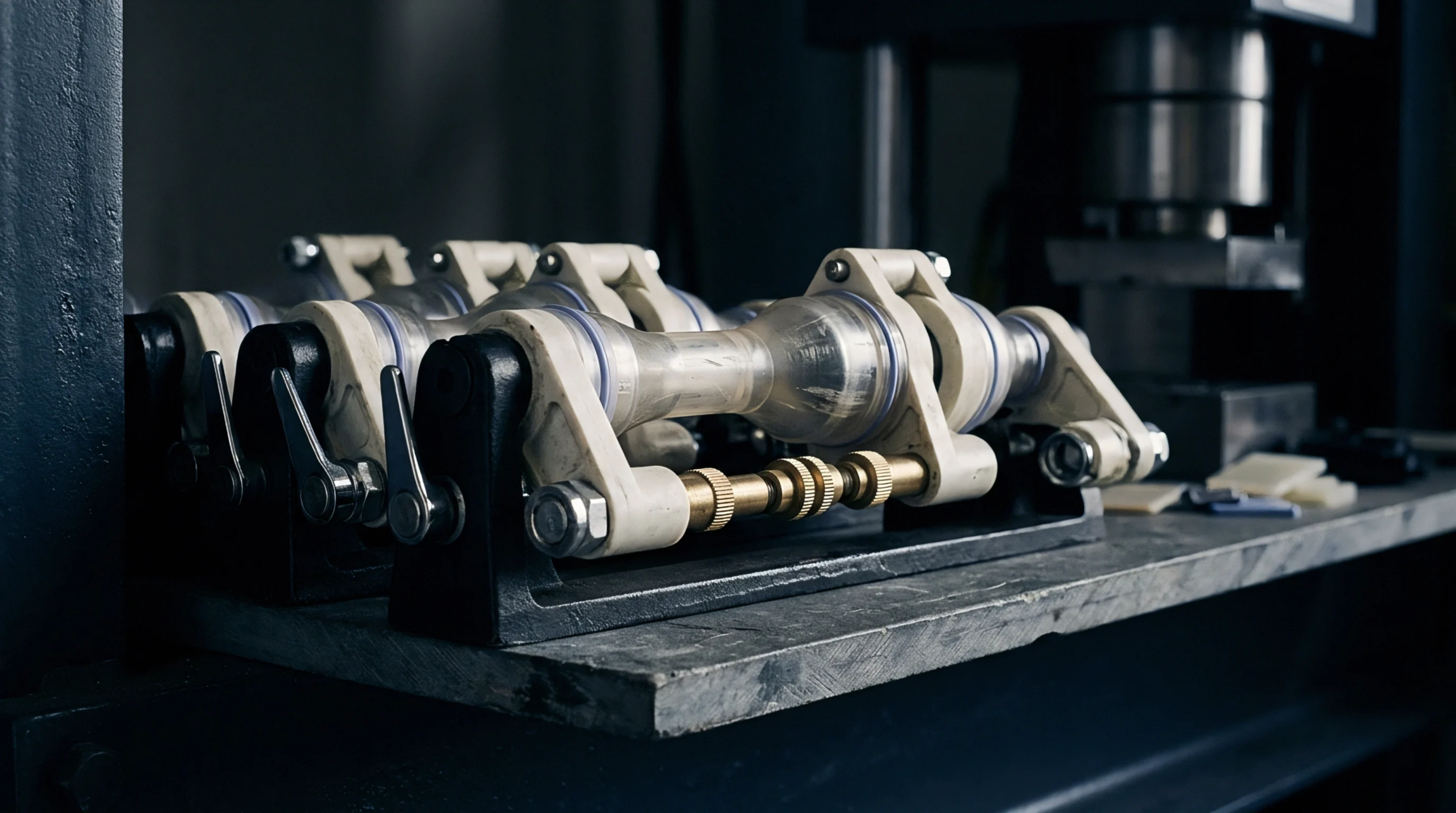
Meaning
Possession of tooling by a vendor who does not own the asset defines the legal and operational framework of mould bailment. Parties enter this arrangement to hold the manufacturer responsible for the security and maintenance of the production equipment despite the customer retaining legal title. Contractual language dictates the care standard required, shifting the risk of damage or loss from the owner to the possessor.
Tooling Obligations
Operators assume a duty of care when they accept physical custody of high-value injection moulds belonging to another entity. This responsibility includes routine cleaning, lubricating moving components, and storing the units in a protected environment to prevent oxidation or mechanical damage. Failure to maintain these assets results in downtime for the customer and creates liability for the molder if the tool degrades prematurely.
Economic Exposure
Production costs rely on the clear delineation between asset ownership and operational control. A molder must account for the insurance premium required to cover the value of the machinery while it occupies their floor space. Virgin resin throughput levels often dictate the wear rate of the cavities, and the bailment agreement clarifies whether the molder or the asset owner pays for restorative repairs when the tool reaches its end of life or requires major refurbishment.
Legal Boundary
Termination clauses define the return conditions of the equipment once the production run concludes or the customer moves the business elsewhere. Documents governing these interactions specify the state of cleanliness and mechanical readiness required upon the release of the asset. Legal precedents establish that custody without ownership creates a fiduciary relationship that protects the original owner from unauthorized use or modification of their proprietary geometric designs.