Meaning
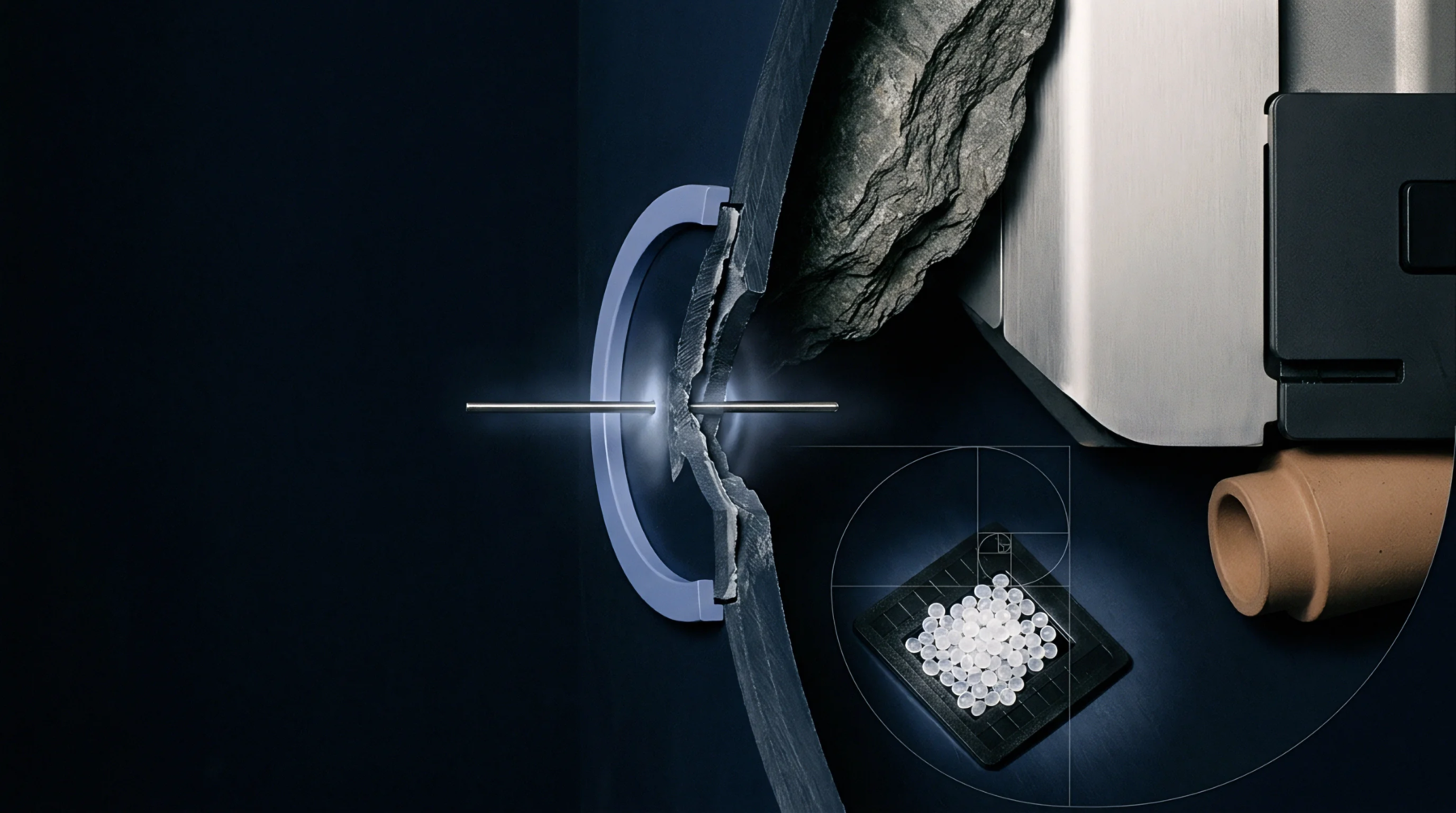
Steel insert protrusions create internal geometry and hollow cavities in molded plastic components. A mold core pin experiences immense lateral bending forces as the pressurized plastic flows into the cavity. If the steel grade is too soft, the pin bends or breaks under the flow front, which creates thin-wall defects or out-of-tolerance parts.
Steel Deflection
Improper gate placement can cause unbalanced filling of the mold cavity, resulting in unequal pressure on opposite sides of the steel insert. This unequal pressure causes the mold core pin to bend, shifting the position of the internal hole. The resulting shift creates parts with uneven wall thicknesses, which often lead to part failure or warpage during cooling.
Feature Formation
Advanced cooling channel design within the steel inserts allows for faster heat extraction from the center of the part. Because a mold core pin is surrounded by hot polymer, it is often the last part of the tooling to cool down, which can create a thermal bottleneck. Integrating internal water lines or utilizing high-conductivity copper alloys can speed up this cycle.
Tooling Wear
High-cycle production of abrasive glass-filled resins can erode the surface of the steel inserts over time. This wear reduces the diameter of the mold core pin, leading to dimensional drift in the molded features. Moulders must apply wear-resistant coatings to prevent these dimensional shifts and prolong the life of the pin, ensuring that parts remain within specification across millions of cycles.
Without these surface treatments, the pin will wear down quickly, requiring frequent mold disassembly and expensive downtime to replace the worn components.