Meaning
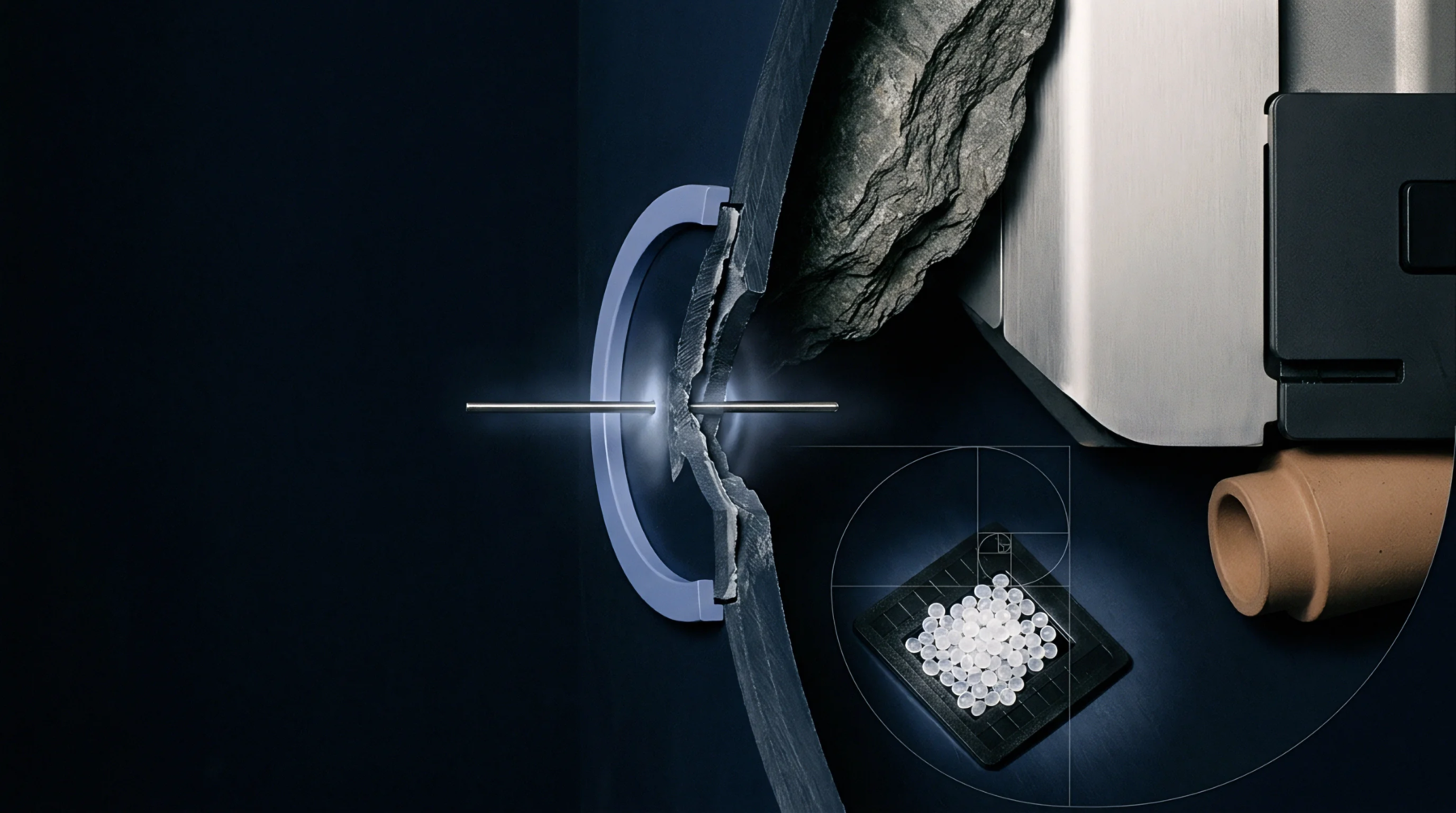
In-cavity pressure and temperature sensors detect the physical presence of advancing polymer liquid at specific geometric locations within a mould. Piezoelectric sensors register melt front arrival through rapid voltage spikes generated when hot polymer makes contact with the sensor face. Thermal sensors log instant temperature increases as the fluid front displaces trapped air.
Tracking front propagation allows process engineers to verify simulation flow models against real-time moulding performance. Automated core-pull sequencing relies on precise timing of flow front detection to prevent steel damage. Multi-cavity tools utilize simultaneous arrival signals to confirm balanced filling across all sub-runners.
Detection Mechanism
Thermal sensors embedded flush with cavity walls record sharp microsecond temperature jumps as molten resin reaches the sensor node. Monitoring melt front arrival through high-speed data acquisition reveals velocity changes caused by wall thickness variations or internal ribs. Shear heating at the advancing front creates measurable thermal gradients.
Fast response sensor electronics process these continuous signals to trigger sequential valve gates.
Sequence Validation
Valve gate timing in sequential hot runner systems depends on accurate flow front detection across large automotive panels. Confirming melt front arrival before opening downstream gates eliminates hesitation marks and weld line defects.
Signal Drift
Resin contamination or surface deposit buildup on sensor faces delays thermal transmission, distorting melt front arrival readings over extended moulding shifts. Regular sensor cleaning maintains precise detection timing.