
Mass Spectrometry Screening of NIAS in Recycled Polyethylene Terephthalate
Mass spectrometry screening detects non-intentionally added substances in recycled PET by pairing GC-MS and LC-HRMS with analytical evaluation thresholds.
Mass spectrometry screening detects non-intentionally added substances in recycled PET by pairing GC-MS and LC-HRMS with analytical evaluation thresholds.

Quantify electrospray matrix effects using post-extraction spikes and stable isotope internal standards to prevent false migration compliance declarations.

Chinese food contact compliance requires verified laboratory migration reports matching exact resin lots and explicit declarations of restricted substances.

High-resolution GC and LC workflows detect and semi-quantify unknown migrants in recycled polyolefins against toxicological thresholds to ensure food-contact compliance.

PET cyclic oligomer compliance requires finished article LC-MS testing in Simulant D1 and a verified toxicological defense below 0.05 mg/kg food migration.

Machine learning electrospray ionization models convert non-targeted mass spectrometry peaks into defensible migration limits for recycled plastic compliance.

Standardized MS deconvolution requires a 10:1 S/N ratio against oligomer humps to reliably clear recycled polyolefins at the 0.01 mg/kg migration limit.

Uncharacterized cyclic oligomers in rHDPE trigger conservative Cramer Class III toxicological limits that conventional single-layer packaging cannot meet.
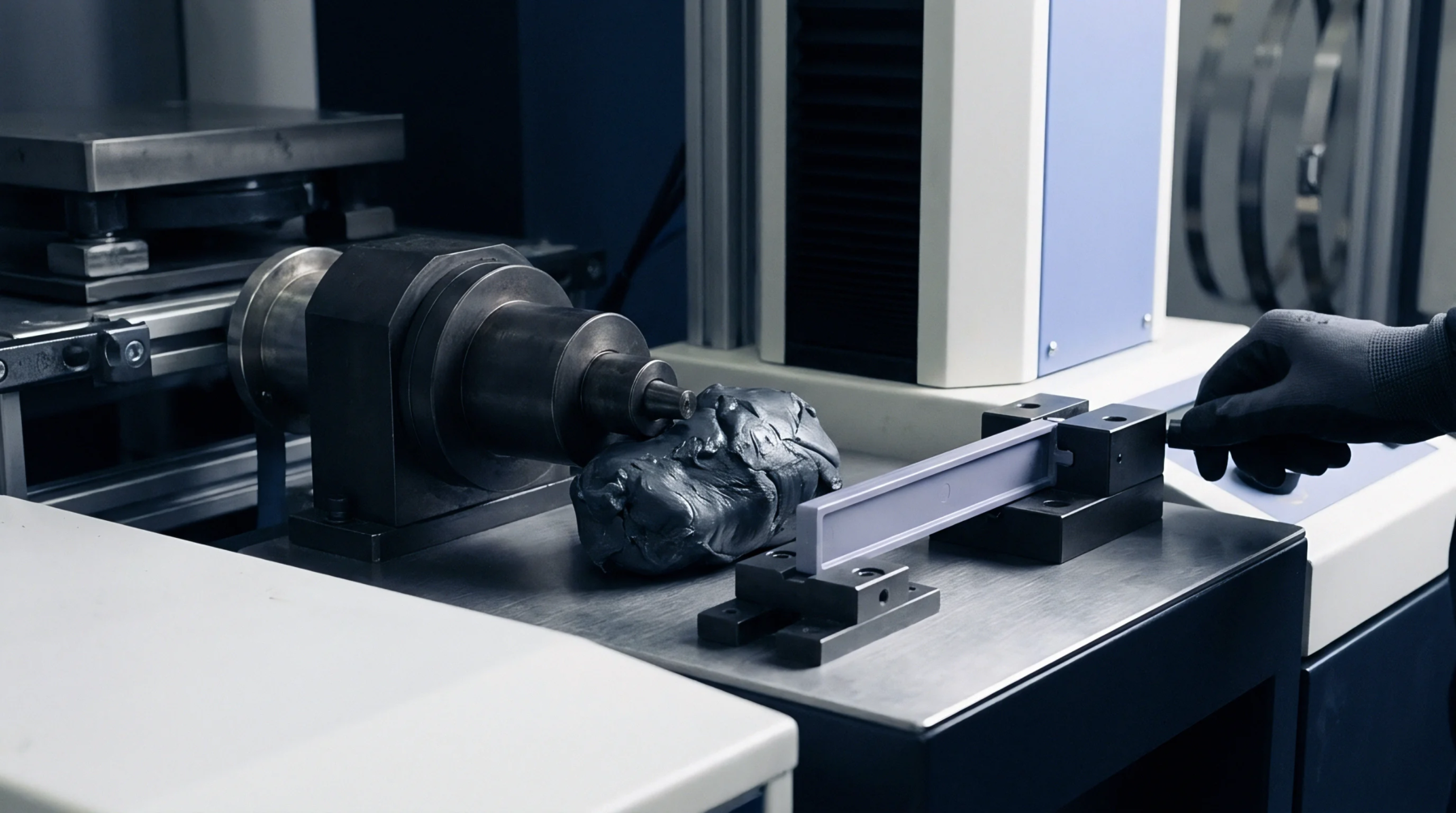
Normal-phase LC-GC-FID separates saturated POSH from aromatic POAH to prevent false-negative genotoxic evaluations below 0.01 milligrams per kilogram in food.

Testing secondary polyolefin packaging requires screening gas-phase volatiles and set-off degradation products migrating across primary barriers into food.

Ionization efficiency models eliminate thousand-fold semi-quantitative errors in untargeted packaging screening, ensuring defensible non-intentionally added substance compliance.
Dual-use additives migrating from plastic packaging into food must satisfy both packaging specific migration limits and direct food additive maximum levels.

Multi-dimensional GC deconvolution quantifies baseline humps in HDPE compliance dossiers, isolating polyolefin oligomers from critical NIAS and mineral oils.
Expertise is a utility, not a secret. sentiention™ publishes its working knowledge as open reference: intelligence layer covering the materials it sources, the markets it enters, and the reference that serves both.