Meaning
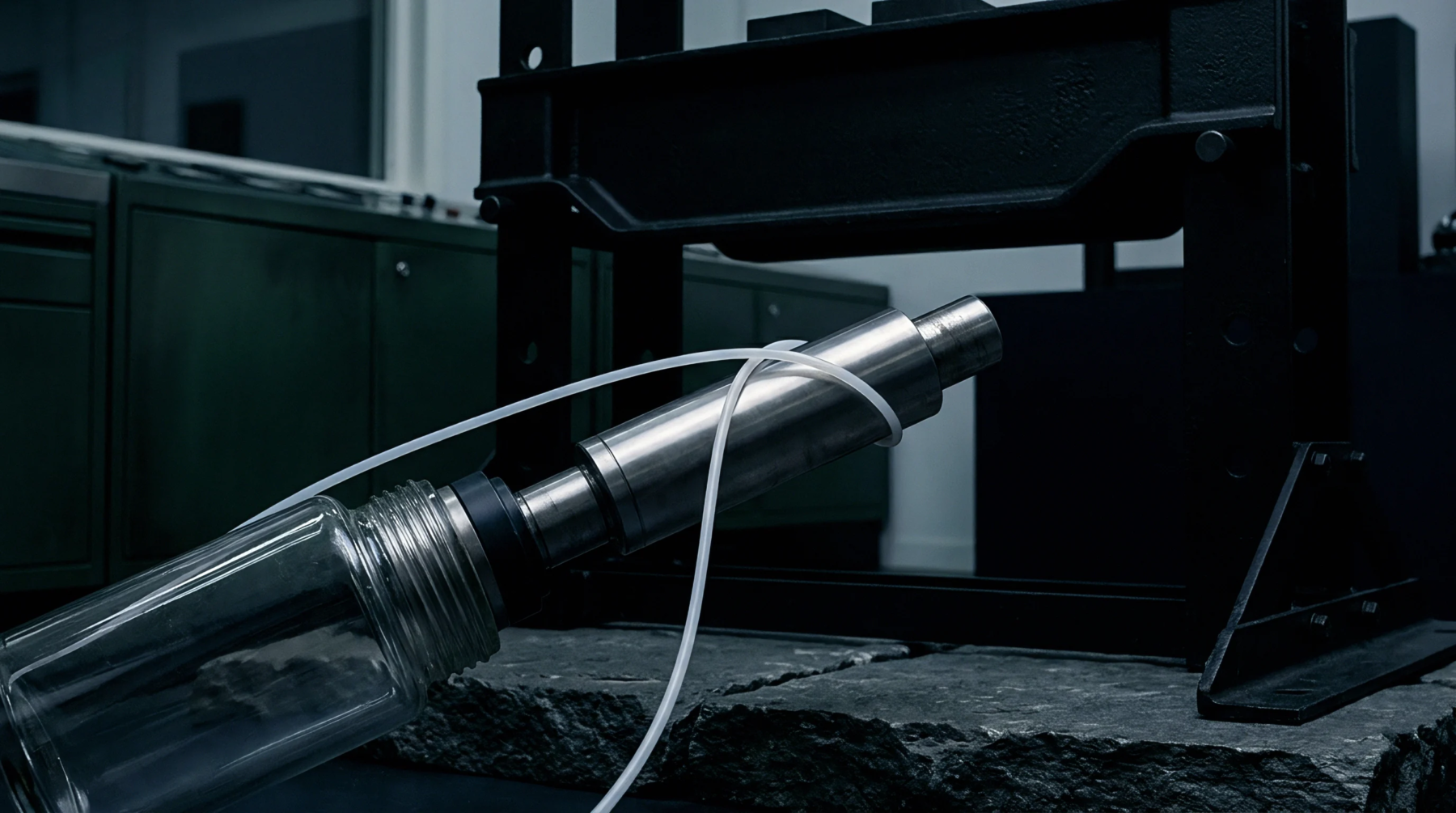
Indirect measuring instrument that captures cavity pressure data by measuring the force exerted on an ejector pin by the polymer melt. Choosing an ejector pin pressure sensor provides a non-invasive way to monitor cavity conditions without leaving a direct sensor mark on the finished part. This device sits behind the ejector pin plate in contact with the pin head.
In automotive or medical moulding, this setup is preferred for maintaining high cosmetic standards.
Indirect Measurement
Placing a sensor directly in the cavity wall leaves a witness mark on the plastic part, which is unacceptable for high-end cosmetic surfaces. The ejector pin pressure sensor bypasses this limitation by utilizing the existing ejector pins as force transmitters. Force from the melt acts on the pin tip, and this force is transmitted down the shaft of the pin to the load cell.
This configuration protects the delicate sensor face from the abrasive polymer melt and high temperature gas. It also simplifies mould maintenance by keeping the sensor away from the primary parting line.
Signal Interpretation
The raw force recorded by the sensor is converted into cavity pressure by dividing the force by the surface area of the pin tip. Machine controllers use this calculated pressure to monitor process consistency across millions of cycles. Any drift in the peak pressure signal alerts the operator to potential problems like a blocked gate or heaters beginning to fail.
Part Protection
Excessive pressure during the ejection phase can damage both the part and the ejector pins. When the polymer does not cool sufficiently, it can stick to the cavity, and the force required to push it out rises dramatically. The ejector pin pressure sensor detects this abnormal resistance immediately and pauses the cycle to prevent pins from bending or punching through the soft plastic.
This safety measure is essential in high-speed, automated production lines where a single bent pin can stop production for several hours. By integrating this sensor into the machine safety loop, moulders protect their tooling investment and minimize unexpected downtime.