Meaning
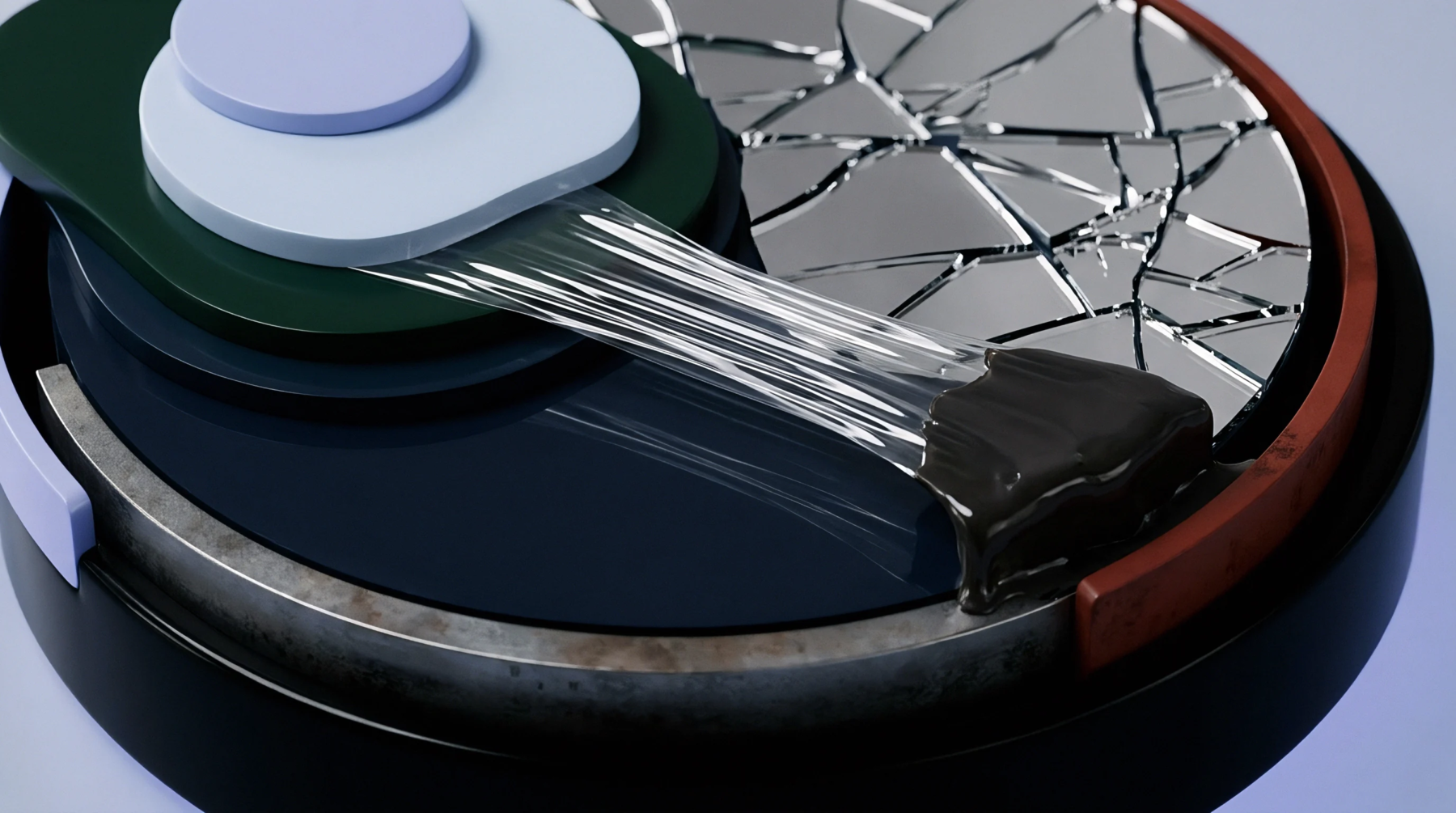
Mechanical strain arises when a component with multiple materials or non-uniform geometries experiences dimensional instability during temperature shifts within a confined cavity. Differential thermal expansion stress occurs because distinct substrates expand at divergent rates during the cooling cycle after melt injection. This condition persists until thermal equilibrium arrives throughout the cooled part structure.
Mould designers define the geometry of the flow path to mitigate these internal forces. Cooling channels must distribute heat removal evenly to avoid localized pressure concentrations. Boundary limits appear when the difference in linear coefficients of expansion between a metal insert and a thermoplastic matrix exceeds the elastic limit of the polymer.
The material undergoes permanent deformation or cracking if the internal tension overcomes the structural integrity of the solidifying interface.
Moulding Physics
Processing technicians observe the consequences of this phenomenon during the packing phase of the injection cycle. The differential thermal expansion stress governs how the moulder manages cooling times and holding pressures. Polypropylene parts containing glass fibres demonstrate directional variation in shrinkage because the reinforcement restricts movement along the primary axis.
These parts warp if the cooling rate remains inconsistent across the cross section. Virgin resins behave predictably based on published datasheet values, yet regrind components show wider variance due to molecular degradation. A datasheet value identifies the linear shrinkage for a standard specimen, whereas actual production parts display deviation based on part thickness and injection speed.
Moulders hold the pack pressure long enough to compensate for the volumetric reduction, but they must balance this against the risk of creating excessive residual tension. High internal forces lead to failure under low static loads during field use.
Dimensional Compliance
Engineering specifications differentiate between the geometry of the original CAD design and the finished product after the polymer settles. Differential thermal expansion stress forces a distinction between the target dimensions and the observed reality on the shop floor. Tolerances remain tight for assembly hardware while loose standards accommodate the variability of high-speed high-volume production runs.
Tooling engineers adjust the gate position to influence the direction of molecular orientation, which impacts how the material expands when it reaches ambient temperatures. Part specifications define the allowable deviation in flatness, roundness and profile that the geometry sustains without loss of function. Measuring these metrics requires calibrated sensors that monitor the cooling process in real time.
Discrepancies between theoretical cooling models and physical outcomes prompt a revision of the cycle parameters or a modification to the tool steel temperature.
Material Interaction
Polymers exhibit viscoelastic responses when subjected to the unequal growth patterns forced by surrounding metallic structures. Differential thermal expansion stress complicates the bonding between thermoplastic resins and overmoulded metallic inserts. Adhesive contact breaks down when the contraction of the cooling plastic outpaces the thermal shrinkage of the metal boss or stud.
Designers specify knurled features or undercuts on the insert to create mechanical anchors. The strength of this assembly relies on the ability of the polymer to bridge the gap as the cooling process concludes. Excessive tension at the junction leads to premature brittle failure of the interface during thermal cycling.
Plastic components maintain their intended service life when the moulding setup manages the transition from molten state to solid form within controlled rates of contraction.