Meaning
Molecular mass transfer rates define the removal of volatile species from a polymer matrix during vacuum processing or melt ventilation. The devolatilization kinetics govern the speed at which monomer, solvent or water vapour escapes from the melt pool to achieve a target purity level.
Processing Throughput
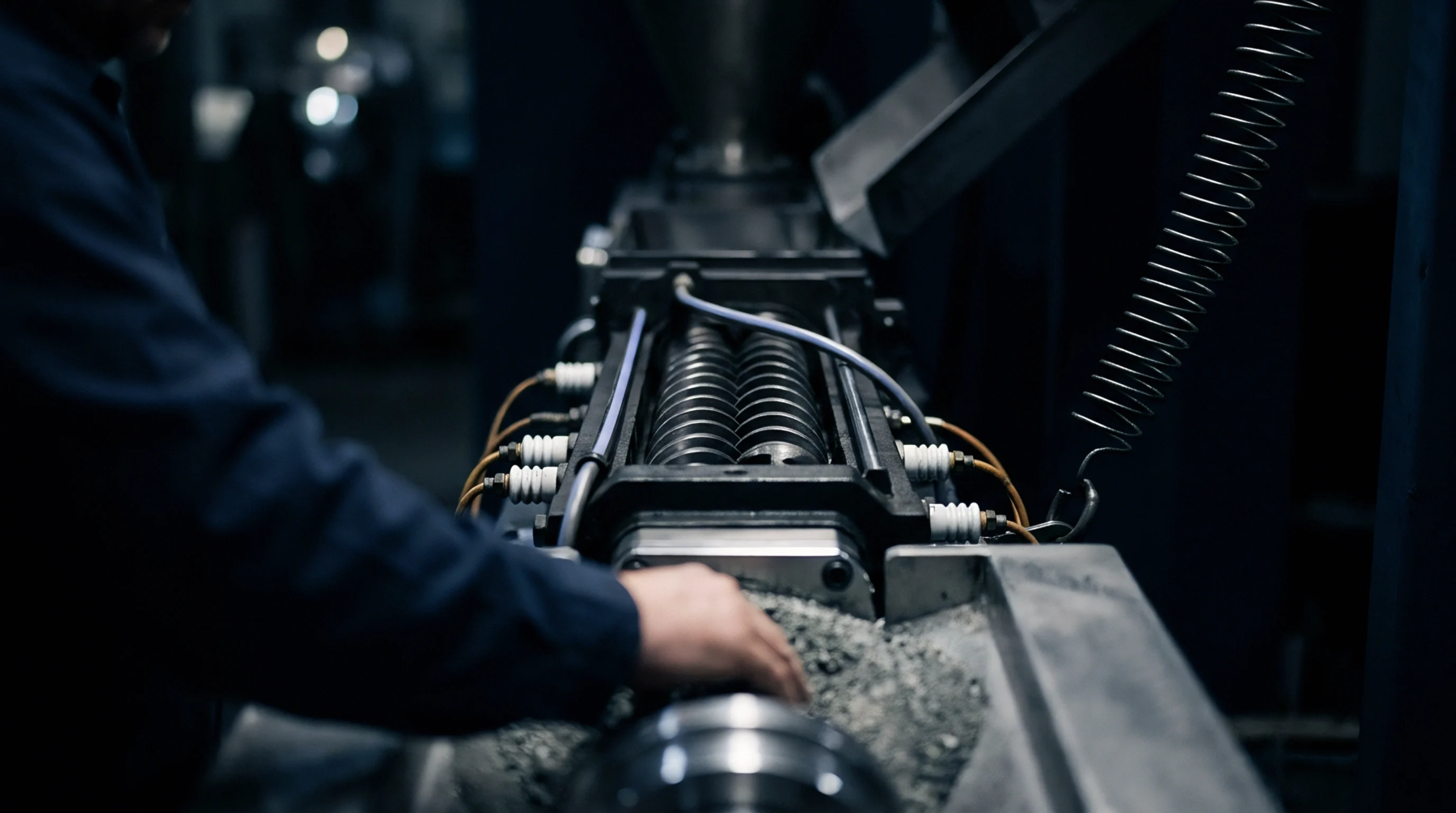
Screw configuration and vacuum pressure dictate how fast these mass transfer events occur inside an extruder barrel. High viscosity materials reduce the diffusion coefficient and force a decrease in production speed to allow sufficient time for gas escape. Longer residence times allow more complete removal but can trigger thermal degradation or undesirable changes in molecular weight distribution.
Quality Threshold
Datasheet values for residual content provide a baseline that differs from the concentration found in actual production samples. Differences appear when regrind percentages vary or when the vacuum system fails to maintain the required partial pressure. Deviations from expected removal rates result in part porosity, surface voids or poor bonding in finished products.
Temperature Sensitivity
Heat input accelerates the diffusivity of small molecules through the polymer structure to lower the time required for effective purification. Energy delivery must remain high enough to facilitate rapid movement without inducing chemical breakdown of the resin chains. Controlled thermal profiles ensure that consistent levels of volatile substances are reached during every batch produced.