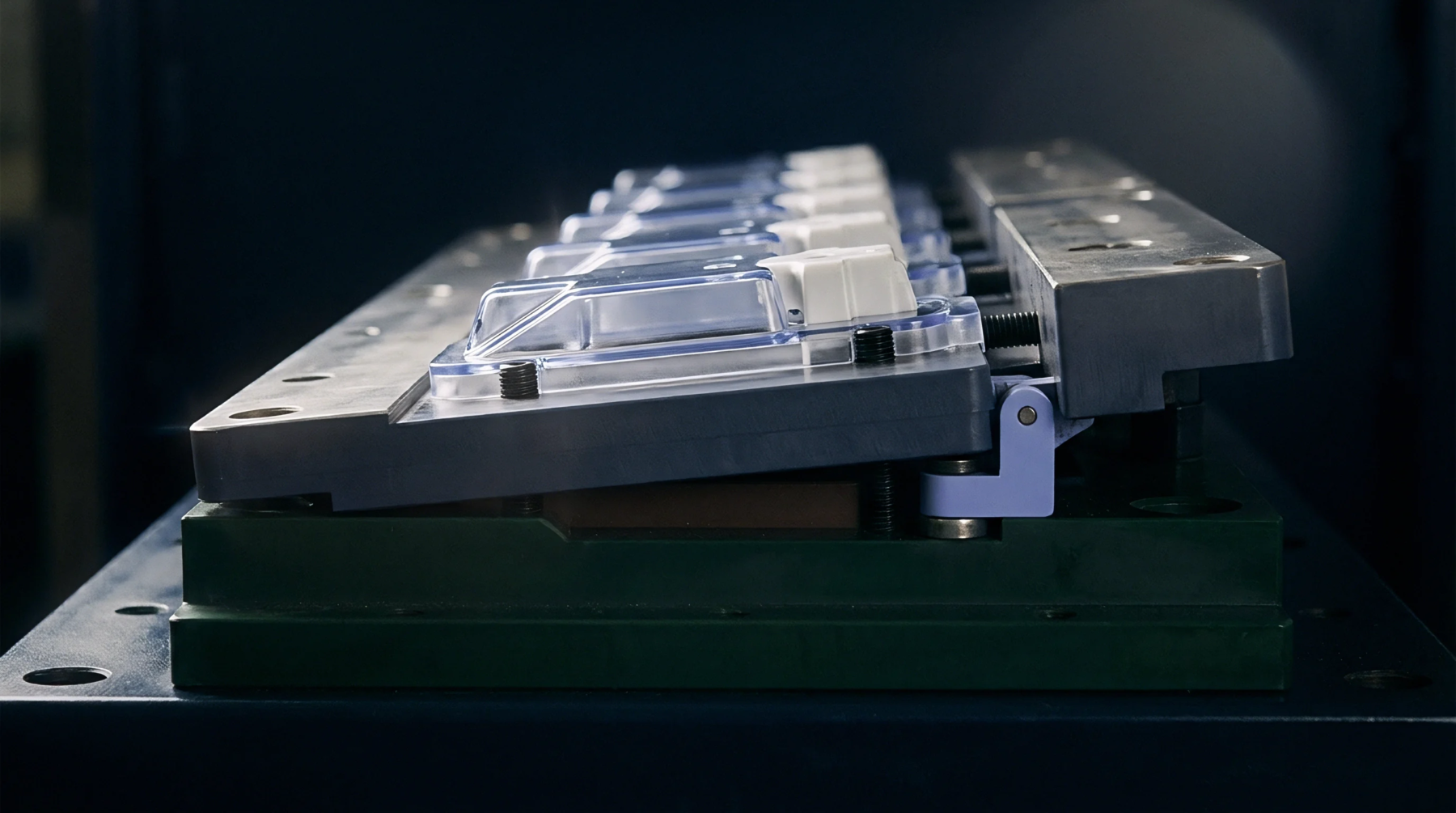
Meaning
Flow resistance within a tool characterizes the energy required to force polymer melt through a runner system and into the tool form. This cavity pressure drop signifies the difference in force per unit area between the gate entry point and the furthest extremity of the part geometry. It governs the relationship between machine injection pressure and the actual filling dynamics of the thermoplastic material.
High values indicate restricted flow channels that cause premature freezing of the polymer melt before the part fills completely.
Viscosity Influence
Rheological properties of the resin dictate how the polymer resists deformation under the high shear rates encountered inside the injection mould. This cavity pressure drop fluctuates with the melt temperature because heat changes the internal friction of the molecular chains. Cold tool surfaces extract thermal energy rapidly and thicken the skin layer of the part, which narrows the effective flow cross section.
Consistent thermal regulation of the mould ensures that the resistance remains stable across different production cycles.
Tooling Geometry
Runner diameter and gate size set the fundamental restrictions that define the pressure loss profile for a specific mould. These dimensions determine the shear stress exerted on the polymer as it travels toward the core and cavity interfaces. When the flow path includes abrupt changes in direction or sharp corners, the pressure required to maintain velocity increases significantly.
Proper design of the manifold and nozzle tip balances the total force needed to fill the part without exceeding the clamping force of the press.
Quality Control
Monitoring the peak pressure at the machine nozzle provides a proxy for the internal resistance experienced during the injection sequence. Discrepancies between calculated fill requirements and measured results highlight obstructions or deviations in the viscosity of the batch. This cavity pressure drop serves as a diagnostic for regrind content or additive inconsistencies that alter the flow characteristics of the material.
A stable pressure profile remains the most reliable indicator of a process operating within its defined mechanical limits.