Meaning
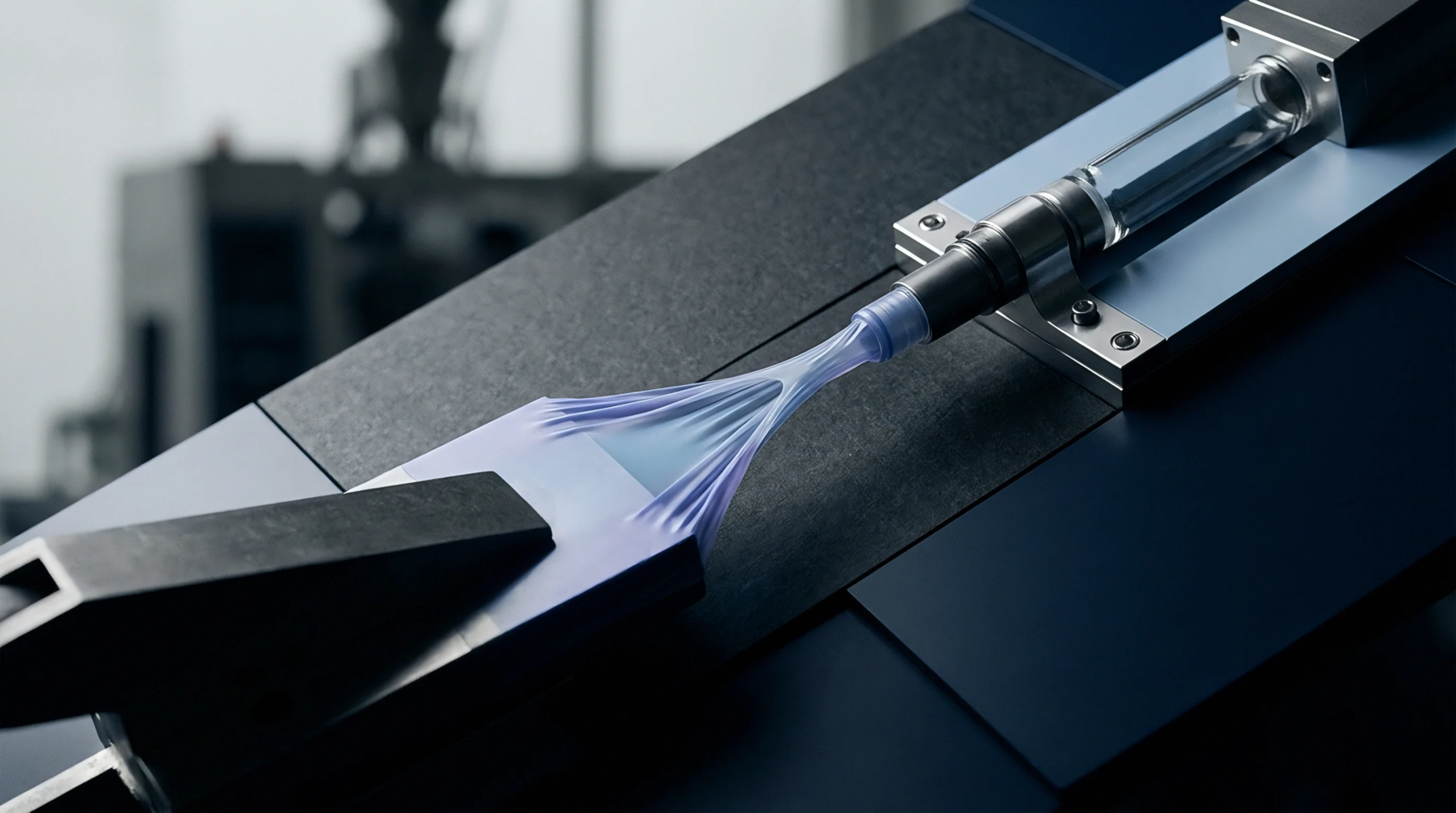
Non-crystalline polyethylene terephthalate is a thermoplastic polyester resin characterized by a random molecular chain orientation that yields complete optical transparency. Unordered polymer chains prevent light scattering during transmission, allowing amorphous PET to serve as a clear packaging medium for containers and extruded sheet products.
Resin Density
Polyethylene terephthalate in this non-crystalline state maintains a specific gravity of approximately one point three three grams per cubic centimetre. Standard supplier datasheets list this baseline density for unoriented pellets prior to thermal processing. Density differentials between the raw pellet and the moulded part reveal the exact degree of structural packing achieved during the cycle.
Thermal Window
Glass transition temperatures for this polyester range between sixty seven and eighty degrees Celsius, marking the precise boundary where rigid chains gain localized mobility. Heat applied within this narrow window softens the material without initiating crystal growth, permitting thermoforming operations to shape the sheet. Exceeding this threshold without controlled quenching induces unwanted crystallization, converting transparent stock into opaque, brittle waste.
Regrind Economics
Factory scrap generated during extrusion or blow moulding introduces degradation risks when reintroduced into virgin material streams. Intrinsic viscosity drops during thermal reprocessing because moisture hydrolyzes the polymer backbone unless pre-drying protocols reduce water content below fifty parts per million. Moulders balance regrind ratios against mechanical property retention to avoid premature failure in structural packaging applications.