Standardizing Non Aqueous Potentiometric Titration Metrics for Hydroperoxide Quantification in Cross Border Polyolefin Recyclate Shipments
Standardize non-aqueous potentiometric titration to quantify recyclate hydroperoxides, preventing cross-border disputes over thermally degraded polyolefins.
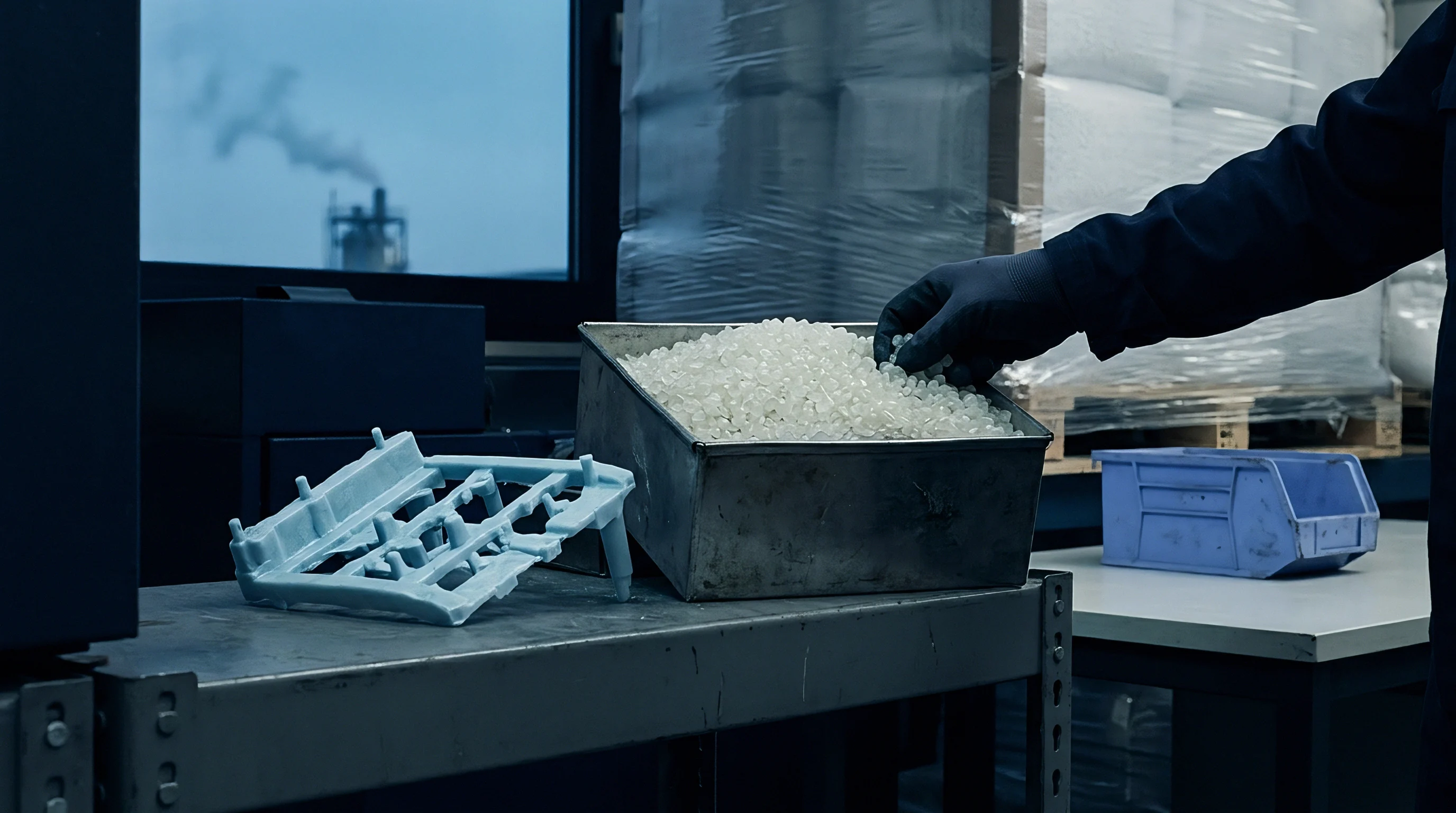

Titration
Shipment disputes over cross border polyolefin recyclate routinely hinge on unexpressed thermal history rather than immediate melt volume rate. A lot of post-consumer polypropylene or high-density polyethylene can clear arrival testing under ISO 1133 at 2.16 kg and 190 C or 230 C while carrying a silent population of secondary and tertiary hydroperoxides. These labile peroxy moieties undergo unimolecular and bimolecular homolysis during secondary conversion cycles, triggering severe beta-scission, chain cleavage, and catastrophic loss of tensile elongation at break.
Standard colorimetric assays, Fourier transform infrared spectroscopy targeting the 1715 cm-1 carbonyl band, and traditional iodometric bench procedures frequently fail cross-border commercial verification due to baseline drift, pigment scattering, carbon black interference, and air oxidation artifacts. Non-aqueous potentiometric redox titration isolates the hydroperoxide concentration directly, converting chemical degradation metrics into enforceable delivery tolerances before resin enters compounding extruders.
The core analytical sequence forces an oxidation-reduction reaction between active peroxides extracted from the polyolefin matrix and an iodide salt within an anhydrous organic solvent system. Triiodide ions form quantitatively through the reduction of organic hydroperoxides: ROOH plus 3 I- plus 2 H+ yields ROH plus I3- plus H2O. A standardized volumetric solution of sodium thiosulfate titrant reduces the generated triiodide back to iodide: I3- plus 2 S2O3 2- yields 3 I- plus S4O6 2-.
Because atmospheric oxygen rapidly oxidizes iodide ions under acidic conditions to generate phantom triiodide, the analytical vessel demands a continuous, positive-pressure blanket of high-purity nitrogen or argon. Potentiometric determination tracks the electrochemical potential drift using a platinum ring indication electrode coupled against a non-aqueous silver, silver-chloride reference electrode filled with an electrolyte solution of 1.0 mol/L lithium chloride dissolved in absolute ethanol. The potentiometric inflection point defines the equivalence volume with high mathematical resolution, bypassing visual indicator subjectivity entirely.
ASTM E298 and ISO 13943 principles govern the standardized metric of micromoles of active oxygen per kilogram of polyolefin recyclate.
Quantifying these oxidation precursors resolves discrepancies between certificates of analysis issued at point of origin and verified pellet quality at import destinations. High-density polyethylene recycled from agricultural film or municipal hollow-ware containers often exhibits low baseline carbonyl values when washed thoroughly, concealing internal chain damage. If the hydroperoxide density exceeds 15.0 mmol/kg, subsequent extrusion compounding degrades weight-average molecular weight, dropping notched Charpy impact strength below structural specification limits.
Border clearance contracts governed by Incoterms require precise analytical methods to establish whether polymer degradation occurred during ocean transit under elevated hold temperatures or originated from inadequate antioxidant re-stabilization by the upstream compounder.
Standardizing this titration protocol across trading borders establishes a unified baseline for post-consumer recycled polyolefins. Disagreements between testing laboratories diminish when solvent polarity, nitrogen degassing intervals, electrode maintenance routines, and blank adjustments follow an identical protocol. Chemical clarity at the port of entry eliminates costly supply chain standoffs.
A supplier will simply insist that the pellets left their terminal fully stabilized within standard commercial parameters.


Solvent
Selecting the extraction and titration solvent matrix dictates whether the non-aqueous potentiometric curve yields a readable derivative peak. High-density polyethylene and isotactic polypropylene pellets resist dissolution at ambient temperatures, necessitating an engineered binary or ternary organic carrier that sustains polyolefin swelling or true solution without precipitating polar reagents. Titration systems commonly rely on a mixture of toluene or orthodichlorobenzene combined with glacial acetic acid and an alcohol.
Orthodichlorobenzene dissolves high-density polyolefin fractions at 110 C to 125 C, maintaining polymer chains in an extended coil state where sterically hindered hydroperoxides along the backbone become accessible to nucleophilic iodide attack. Titrating at elevated temperatures accelerates the reaction between potassium iodide and tertiary hydroperoxides, which otherwise react sluggishly compared to primary peroxy structures.
Glacial acetic acid acts as the protic proton donor necessary to push the reduction of hydroperoxides to completion while preserving electrical conductivity for potentiometric measurement. Isopropanol or absolute methanol is added in specific ratios to stabilize the dissolved alkali metal iodide and prevent the precipitation of potassium acetate during titrant delivery. Water contamination inside the solvent matrix ruins the inflection sharpness: trace moisture shifts the potential jump across the equivalence point from a clean 250 mV swing down to an ambiguous plateau under 40 mV.
Karl Fischer coulometric verification must establish that moisture in the bulk solvent blend remains below 50 parts per million before initiating the sample digestion cycle.
Reagent Purity and Blank Correction
Sodium thiosulfate titrant solutions dissolved in organic media exhibit progressive titer decay via atmospheric carbon dioxide absorption and photochemical degradation. Standardization of the 0.01 mol/L or 0.005 mol/L sodium thiosulfate secondary standard against primary standard potassium iodate is conducted daily. Blank determinations require identical thermal treatment: the solvent mixture containing glacial acetic acid and potassium iodide boils under reflux alongside the actual polyolefin sample under an inert nitrogen blanket.
Trace oxidants present in commercial reagent-grade toluene or acetic acid generate a measurable background triiodide signal that skews recyclate readings if left uncorrected.
| Solvent System | Component Ratio by Volume | Dissolution Temperature | Polymer Suitability | Equivalence Inflexion Magnitude |
|---|---|---|---|---|
| Toluene / Glacial Acetic Acid / Isopropanol | 60 / 30 / 10 | 85 C to 90 C | LDPE, LLDPE, EVA Copolymers | 180 mV to 240 mV |
| ortho-Dichlorobenzene / Acetic Acid / Methanol | 70 / 25 / 5 | 115 C to 125 C | HDPE, PP Homopolymer | 220 mV to 310 mV |
| Xylene / Acetic Acid / n-Butanol | 50 / 40 / 10 | 105 C to 110 C | PP Copolymer, PE/PP Blends | 160 mV to 210 mV |
| Chloroform / Glacial Acetic Acid | 75 / 25 | Ambient (23 C) | Pre-swollen micronized crumb only | 120 mV to 180 mV |
Controlled degassing of the solvent medium suppresses spurious triiodide generation. Nitrogen gas saturated with the carrier solvent sparges the reaction vessel at a flow rate of 100 mL/min for fifteen minutes prior to heating. Insufficient degassing causes ambient oxygen to oxidize hydriodic acid generated in situ, producing false-positive hydroperoxide values that artificially depress shipment valuation.
Solvents carrying more than fifty parts per million residual moisture suppress potentiometric potential swings at the equivalence threshold.
A rule of thumb holds that complete dissolution yields reproducible results while suspended slurry systems underestimate sterically hindered hydroperoxides.


Cargo
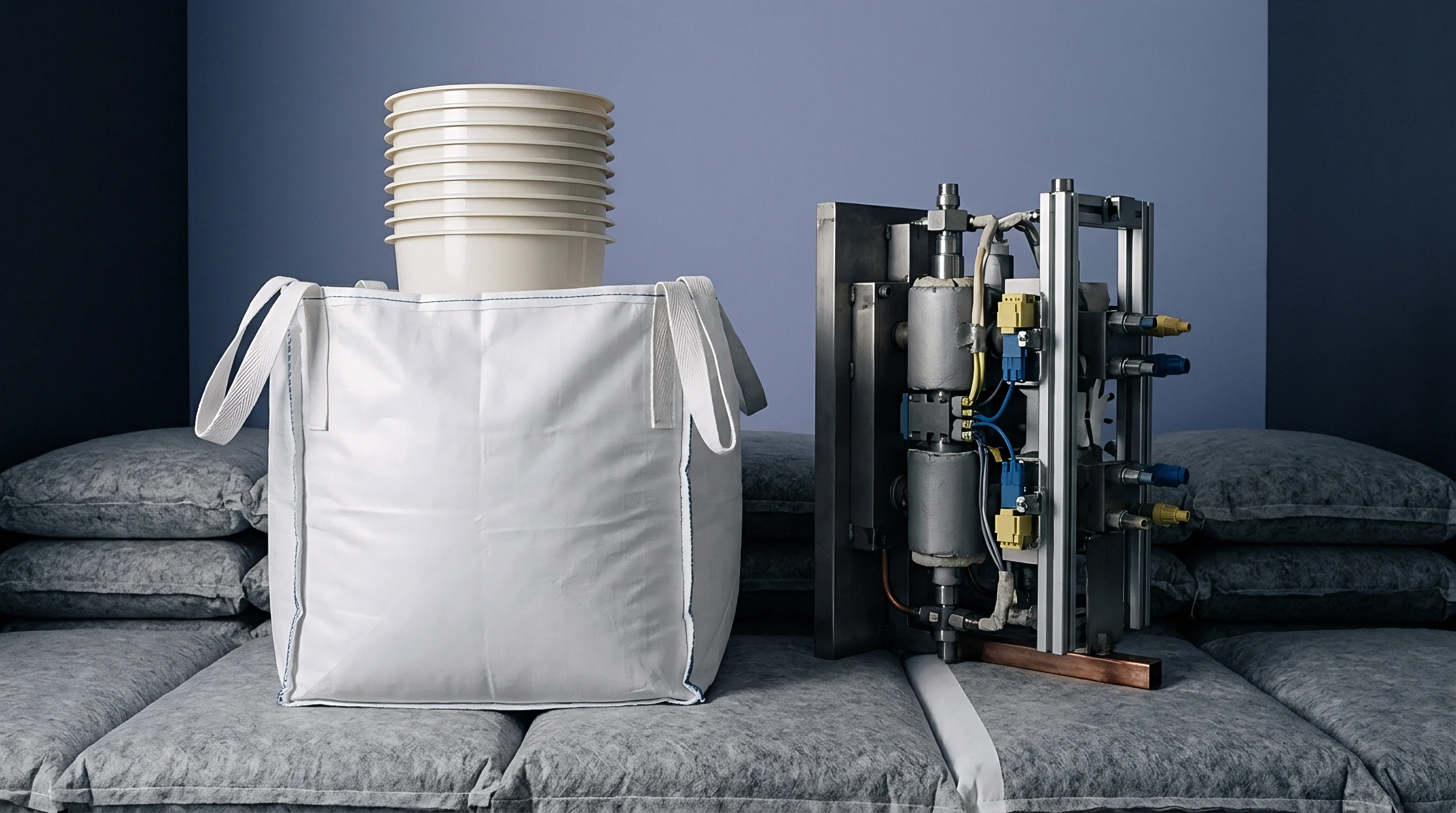
Ocean freight containers crossing tropical maritime corridors expose pelletized polyolefins to severe ambient thermal cycling. Bulk bags loaded in humid ports frequently encounter internal hold temperatures exceeding 55 C for three to six weeks. Post-consumer recyclate packed in sea bulk liners or standard 25 kg poly-sacks without adequate secondary phenolic and phosphite stabilization undergoes continuous solid-state auto-oxidation.
Hydroperoxides already present from post-consumer service lives act as internal catalysts, decomposing into alkoxy and peroxy free radicals that abstract secondary hydrogen atoms from adjacent polyolefin backbones.
The resulting propagation loop generates additional hydroperoxide groups without producing immediate, massive changes in physical melt volume rate during ocean transit. The buyer opens the container at the discharge port to find pellets that look identical to origin retention samples, yet the internal degradation clock is ticking rapidly. The compounding window collapses because processing these pre-oxidized lots consumes the primary melt process stabilizers instantly inside the first barrel zone of the processing machine.
Can Destination Testing Invalidate Origin Clearances?
Receiving ports routinely reject imported material when the destination test certificate contradicts origin shipping documentation. This divergence stems from real kinetic changes during voyage time rather than analytical error. Polypropylene homopolymer possessing a primary hydroperoxide value of 3.2 mmol/kg at origin discharge will measure between 8.5 mmol/kg and 14.1 mmol/kg after twenty-eight days inside an uninsulated cargo container exposed to direct deck sunlight.
The cross-border sale contract must state explicitly whether hydroperoxide compliance limits apply at origin loading or destination discharge.
Documentation protocols should stipulate exact sample handling from the moment container seals are broken. Pellets sampled from the outer five centimeters of bags situated against container walls consistently show hydroperoxide values 40% to 75% higher than core pellets sampled from the center of bulk boxes. Sampling personnel must follow ISO 8213 guidelines, using multi-zone compartmental sampling spears to gather cross-sectional pellets that reflect actual lot composition rather than perimeter degradation spikes.
Neglecting container thermal dynamics during transit guarantees unrecoverable insurance disputes over degraded resin shipments.
Sensor
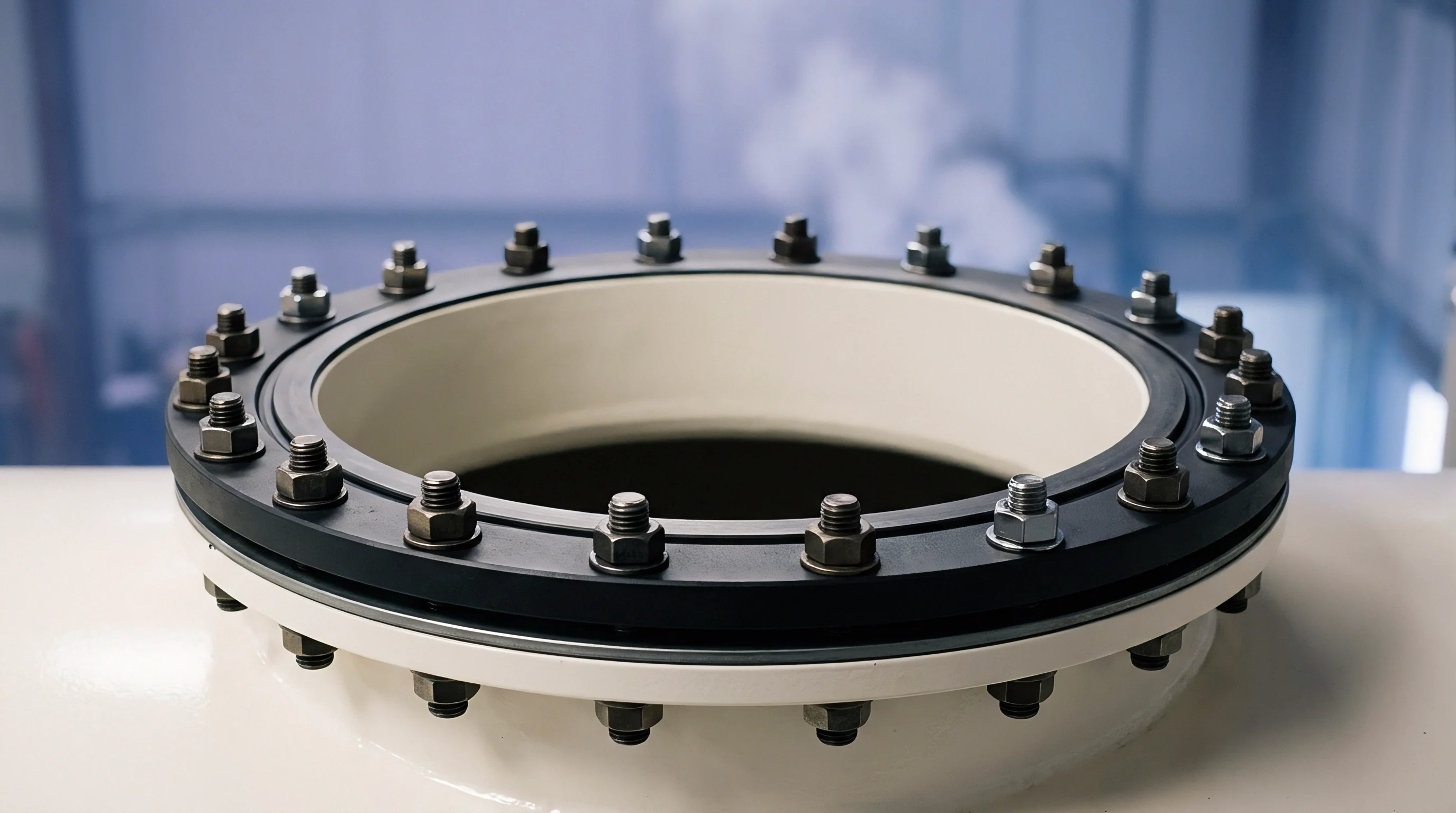
Electrode performance controls the precision of non-aqueous potentiometric titrations. Aqueous pH glass electrodes fail quickly in non-aqueous polyolefin solvent systems due to dehydration of the active hydration gel layer and severe junction clogging by insoluble polymer film deposits. A combined redox electrode comprising a high-purity platinum ring sensing element paired with a double-junction reference system is mandatory for stable readings.
The outer sleeve of the reference system must house an organic-compatible electrolyte, typically 1.0 mol/L lithium chloride dissolved in ethanol or glacial acetic acid, matching the carrier solvent to avoid osmotic pressure differentials across the ground-glass or porous ceramic junction.
Fouling of the platinum ring by precipitated high-density polyethylene chains represents the most persistent source of electrode error. As the solution cools marginally during titrant delivery, higher-molecular-weight fractions coat the platinum surface, forming a passivating barrier that increases electrical impedance and causes signal drift. Cleaning cycles between consecutive titrations require a five-minute wash in hot ortho-dichlorobenzene at 90 C, followed by a rinse in high-purity acetone, and a brief electrochemical reactivation in 0.1 mol/L nitric acid to strip persistent organometallic films.
Dynamic titrant dosing algorithms optimize point-to-point addition rates based on measured potential changes. Approaching the inflection point, incremental titrant dosing volumes drop from 0.10 mL down to 0.005 mL, with equilibrium detection settings configured to require potential drift stability below 0.5 mV per minute before recording the raw millivolt value. This prevents premature termination of the calculation algorithm along asymmetric potential curves typical of non-aqueous polyolefin systems.
Reference electrodes operating with mismatched aqueous filling solutions generate erratic junction potentials that mask true chemical equivalence points.

Kinetics
Decomposing primary, secondary, and tertiary hydroperoxides with potassium iodide requires distinct thermal activation energies. Primary hydroperoxides formed on linear polyethylene chain ends react rapidly with acidic iodide at room temperature within ten minutes. Secondary hydroperoxides positioned along polypropylene chains and branched low-density polyethylene require sustained temperatures between 60 C and 80 C to achieve quantitative stoichiometric conversion to alcohol and triiodide.
Tertiary hydroperoxides, which dominate at the branch points of polypropylene and ethylene-propylene diene copolymers, exhibit steric shielding that resists reduction under mild conditions, necessitating elevated temperatures and prolonged digestion cycles under inert gas.
A standardized analytical method balances reaction speed against thermal degradation of the hydroperoxides themselves. If digestion temperatures exceed 115 C for more than thirty minutes, thermal homolysis of the oxygen-oxygen single bond (dissociation energy roughly 140 kJ/mol to 170 kJ/mol) destroys hydroperoxide groups before they react with iodide ions, producing ketones, alcohols, and carboxylic acids that are invisible to redox titration. This thermal cleavage produces artificially depressed peroxide readings, misleading compounding engineers regarding the true state of resin degradation.
Establishing stoichiometric completion requires timed kinetic assays. The sample is treated with excess potassium iodide and digested for varying intervals from five to forty-five minutes. Plotting triiodide generation against digestion duration identifies the plateau where all sterically hindered species have reacted without triggering homolytic self-destruction.
Standardizing the digestion window precisely at twenty minutes at 90 C ensures reproducible reduction of both secondary and tertiary peroxy groups.

Formula
Calculating the exact hydroperoxide concentration requires rigorous algebraic accounting for reagent blanks, titrant normality drift, and sample dry weight. Potentiometric determination converts the millivolt inflection point into an equivalent titrant volume via second-derivative mathematical routines. The basic calculation yields hydroperoxide content in millimoles per kilogram of dry polyolefin resin:
Hydroperoxide Content (mmol/kg) = /
V_sample is the volume of sodium thiosulfate solution consumed by the dissolved polyolefin sample at the potentiometric inflection point, measured in milliliters. V_blank is the volume of titrant consumed by the identical solvent-reagent blank processed through the identical thermal and sparging cycle, measured in milliliters. N_titrant represents the exact molar normality of the standardized sodium thiosulfate solution, re-verified against potassium iodate.
The factor of 2 accounts for the stoichiometric electron transfer: each hydroperoxide molecule consumes two electrons, oxidizing two iodide ions to triiodide, which subsequently consumes two thiosulfate molecules during reduction back to iodide. The variable m_polyolefin is the exact dry mass of the recyclate pellets introduced into the digestion flask, measured in grams on an analytical balance to four decimal places.
Consider a practical worked verification calculation on a post-consumer polypropylene recyclate delivery arriving at a port terminal:
- Sample mass of dry polypropylene pellets weighed exactly 4.2510 grams into the deoxygenated digestion flask.
- Titrant concentration was determined against primary standard potassium iodate at 0.00512 mol/L sodium thiosulfate.
- Equivalence volume calculated by second derivative of the potentiometric curve registered at 3.845 mL.
- Solvent blank consumption under identical digestion conditions required 0.122 mL of titrant.
- Calculated hydroperoxide value resolved to 2.24 mmol of hydroperoxide per kilogram of polypropylene recyclate.
Commercial acceptance contracts specify explicit hydroperoxide tolerance bands pegged to end-use converting requirements. High-speed biaxially oriented polypropylene film requires exceptionally low hydroperoxide concentrations, below 0.50 mmol/kg, to prevent web breaks during longitudinal stretching. Blow molding resins specified for industrial containers tolerate up to 5.00 mmol/kg, provided adequate phosphite processing stabilizers are introduced to suppress chain scission during final compounding.
| Polyolefin Recyclate Grade | Feedstock Source Stream | Baseline Hydroperoxide Range | Critical Processing Limit | Primary Failure Mode Upon Extrusion |
|---|---|---|---|---|
| Blow Molding HDPE | Post-consumer detergent bottles | 1.2 to 3.8 mmol/kg | 5.5 mmol/kg | Parison sag, wall thickness variation |
| Injection Molding PP | Automotive battery cases, crates | 2.5 to 8.2 mmol/kg | 6.0 mmol/kg | Uncontrolled melt flow increase, low impact |
| Extrusion LLDPE / LDPE | Post-commercial stretch wrap | 0.8 to 2.1 mmol/kg | 3.5 mmol/kg | Bubble instability, optical hazing, gels |
| Roto-molding LLDPE | Industrial chemical storage tanks | 0.2 to 0.8 mmol/kg | 1.2 mmol/kg | Environmental stress cracking resistance loss |
| Compounded PP/PE Blend | Mixed municipal rigid packaging | 4.5 to 14.0 mmol/kg | 7.5 mmol/kg | Severe cross-linking, unmelted gels, odor |
The standard contract clause states that any imported lot registering hydroperoxide values above 6.0 mmol/kg empowers the buyer to debit the invoice for re-stabilization additive costs.

Clearance
Cross-border customs inspections and commercial acceptance require an unassailable Certificate of Analysis detailing exact chemical indices rather than vague qualitative declarations. To enforce technical rejection clauses under international sales law, buyers must demand full potentiometric reporting dossiers from ISO/IEC 17025 accredited laboratories. The testing dossier must document raw potentiometric curves, first and second derivative transformation graphs, solvent blank values, titrant standardization records, and certified balance calibration certificates.
Incoming inspection procedures must enforce strict quarantine protocols upon container arrival. Resin pellets cannot be released into factory silos based purely on shipping paperwork or nominal density and melt flow values. Independent third-party sampling must extract composite samples according to an established statistical plan, such as ISO 2859-1 Level II normal inspection, sealing samples in oxygen-barrier aluminum-laminated bags backfilled with dry nitrogen to prevent further ambient oxidation while awaiting laboratory titration results.
- Container inspection verifies structural integrity, roof panel damage, sea-water ingress, and records serial numbers of anti-tamper customs seals.
- Stratified core sampling extracts pellet increments from top, middle, and bottom cargo strata using stainless steel compartmental sampling spears.
- Nitrogen barrier packing seals laboratory increments inside aluminum-laminated poly-foil pouches flushed with dry nitrogen to arrest oxidation during transport.
- Parallel laboratory verification executes simultaneous duplicate potentiometric titrations alongside solvent blank determinations within twenty-four hours of arrival.
- Discrepancy arbitration triggers rapid re-testing under standardized non-aqueous conditions if initial values exceed purchase contract specifications.
Standardizing non-aqueous potentiometric titration transforms an obscure degradation index into an indisputable commercial quality gate. Establishing precise contractual hydroperoxide limits eliminates the financial risks of importing thermally abused polyolefins that fail catastrophically during final product manufacturing.
How the industry harmonizes tertiary hydroperoxide digestion kinetics across competing high-density polyolefin grades remains unresolved as global trade flows diversify.