Standard Laboratory Disintegration Testing Protocols for Industrial Compostability Certification
Industrial compostability certification requires materials to achieve ninety percent physical disintegration below a two-millimeter sieve cut within twelve weeks.
Matrix

Solid Waste Substrates in Standardized Aerobic Trials
Controlled aerobic composting environments govern standard laboratory disintegration testing under ISO 16929 and ISO 20200. Testing laboratories formulate the solid synthetic bed or blend fresh municipal biowaste to establish a biologically active, thermophilic microbial population. The test evaluates physical fragmentation of polymeric test items when subjected to high-temperature composting conditions over a standardized duration, typically 12 weeks for industrial certification schemes such as EN 13432 and ASTM D6400.
Biowaste balance dictates microbial respiration rates. Industrial composting pilot vessels under ISO 16929 demand spontaneous heating through aerobic fermentation of organic municipal waste fractions. The input biowaste composition consists of municipal solid waste source-separated organics, mature compost as an inoculum, and structured bulking agents to preserve porosity and gas exchange.
Laboratories maintain continuous forced aeration, keeping oxygen concentrations inside the composting mass above 10 percent volume fraction throughout the thermophilic peak.
| Control Parameter | ISO 16929 Pilot Scale | ISO 20200 Lab Scale | ASTM D5338 Respiration |
|---|---|---|---|
| Incubation Temperature | Self-heating: 58°C to 65°C peak | Fixed setpoint: 58°C ± 2°C | Fixed setpoint: 58°C ± 2°C |
| Vessel Mass Capacity | 35 kg to 60 kg total wet mass | 1 kg to 5 kg synthetic waste | 0.5 kg to 2 kg solid medium |
| Total Dry Solids Fraction | 45% to 55% at baseline loading | 45% to 55% at mixture setup | 50% to 55% wet basis target |
| Volatile Solids Content | Minimum 50% of total dry solids | Minimum 70% of total dry solids | Minimum 70% of dry solids |
| Input Substrate pH Range | 6.0 to 8.5 during active setup | 6.0 to 8.0 baseline formulation | 7.0 to 8.0 starting equilibrium |
| Test Specimen Loading Ratio | 1.0% to 2.0% wet mass concentration | 1.0% to 2.0% wet mass concentration | Variable based on carbon mass |
Synthetically blended beds under ISO 20200 use a defined balance of sawdust, rabbit feed, mature compost, corn starch, sucrose, corn oil, and urea. This recipe delivers a starting carbon-to-nitrogen ratio between 20:1 and 40:1. The system demands meticulous water balancing, where manual or automated liquid replenishment targets moisture levels between 50 percent and 60 percent.
Desiccation stalls microbial colonization. Excessive water logging fills inter-particle voids, shifting the vessel into anaerobic pathways that drop vessel core temperatures below the thermophilic window.
Synthetic waste beds require analytical moisture balances adjusted weekly to prevent core desiccation during peak thermophilic spikes.
Microbial active mass consumes organic fractions, converting carbohydrates, proteins, and lipids into carbon dioxide, water, and stabilized humic structures. The pilot method under ISO 16929 monitors temperature profiles continuously via automated thermocouples positioned in the vessel core. Standard valid test runs demonstrate temperature elevation beyond 50°C for several consecutive days within the first week of operation.
Biological Stability Verification
Certification agencies monitor baseline biological activity of blank compost reactors running parallel to specimen reactors. A run achieves validity when organic volatile solids within the background compost substrate undergo mass reduction exceeding established thresholds, generally verified as at least 30 percent mass loss over the test cycle. This ensures that failure of a plastic specimen to break apart stems from polymeric resistance rather than an inert biological medium.
Laboratory records track pH transitions from early acidic states to basic plateaus. Acid accumulation from rapid starch fermentation can suppress actinomycetes and thermophilic fungi. Standard operating manuals stipulate manual turning schedules to aerate the mass, disperse moisture gradients, and homogenize microenvironments.
Mesh
Gravimetric Recovery and Sieve Analysis
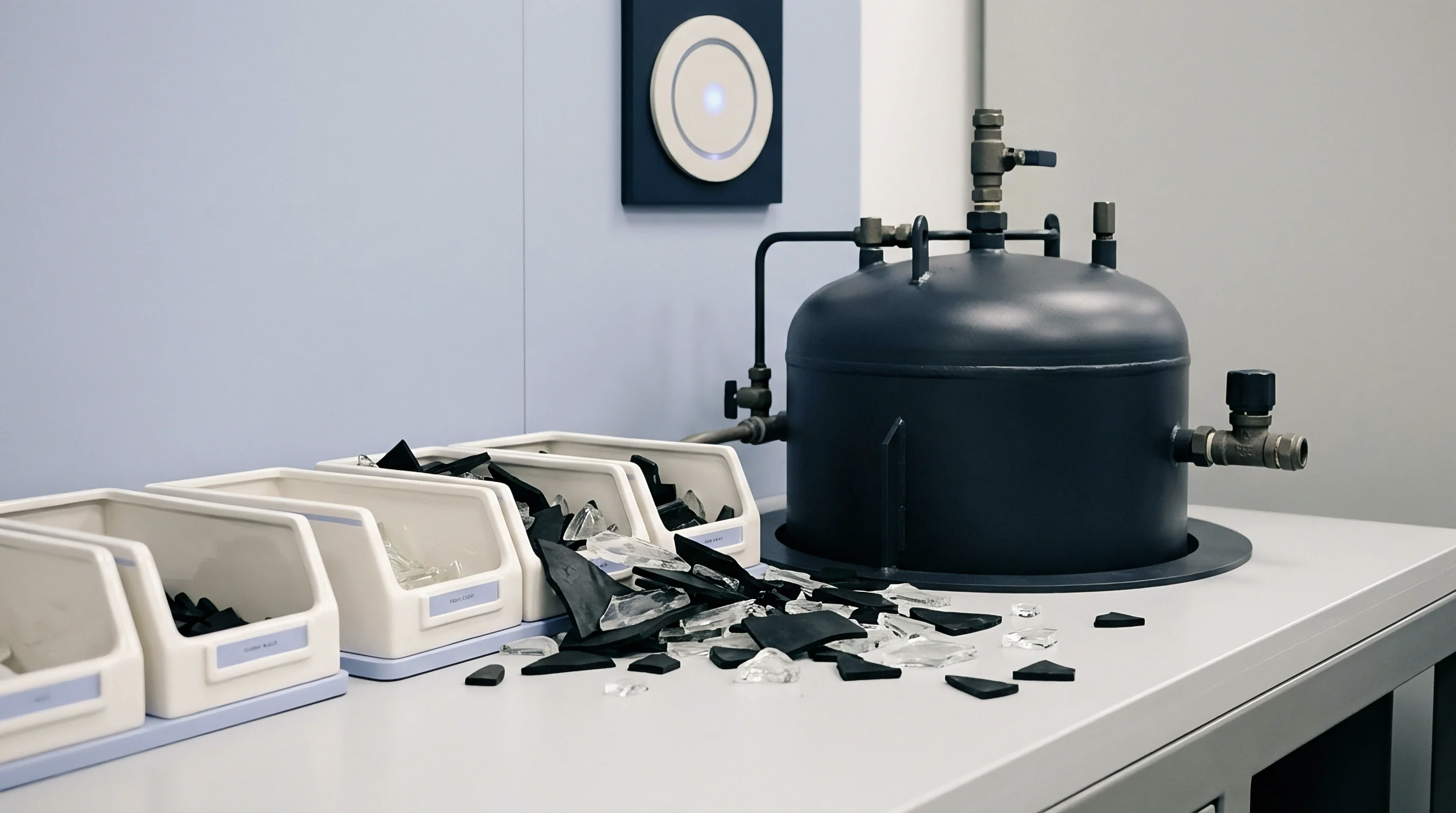
Termination of the incubation cycle initiates quantitative gravimetric recovery. Technicians discharge the reactor contents onto sorting trays to cool and stabilize before mechanical screening. Disintegration standards define fragmentation success through a single physical cutoff dimension: 2.0 millimeters.
Any test polymer fragment retained on a standard 2.0-millimeter wire cloth sieve counts as undisintegrated residue.
Rotary or vibratory mechanical shakers separate the dried compost mass into distinct particle size distributions. The primary sieve stack uses standard stainless steel meshes constructed according to ISO 3310-1 specifications. The dried compost passes through a series of sieves, typically featuring screens with aperture sizes of 10.0 millimeters, 5.0 millimeters, and 2.0 millimeters.
A polymer fragment remaining on a 2.0-millimeter aperture wire sieve constitutes undisintegrated packaging residue under EN 13432.
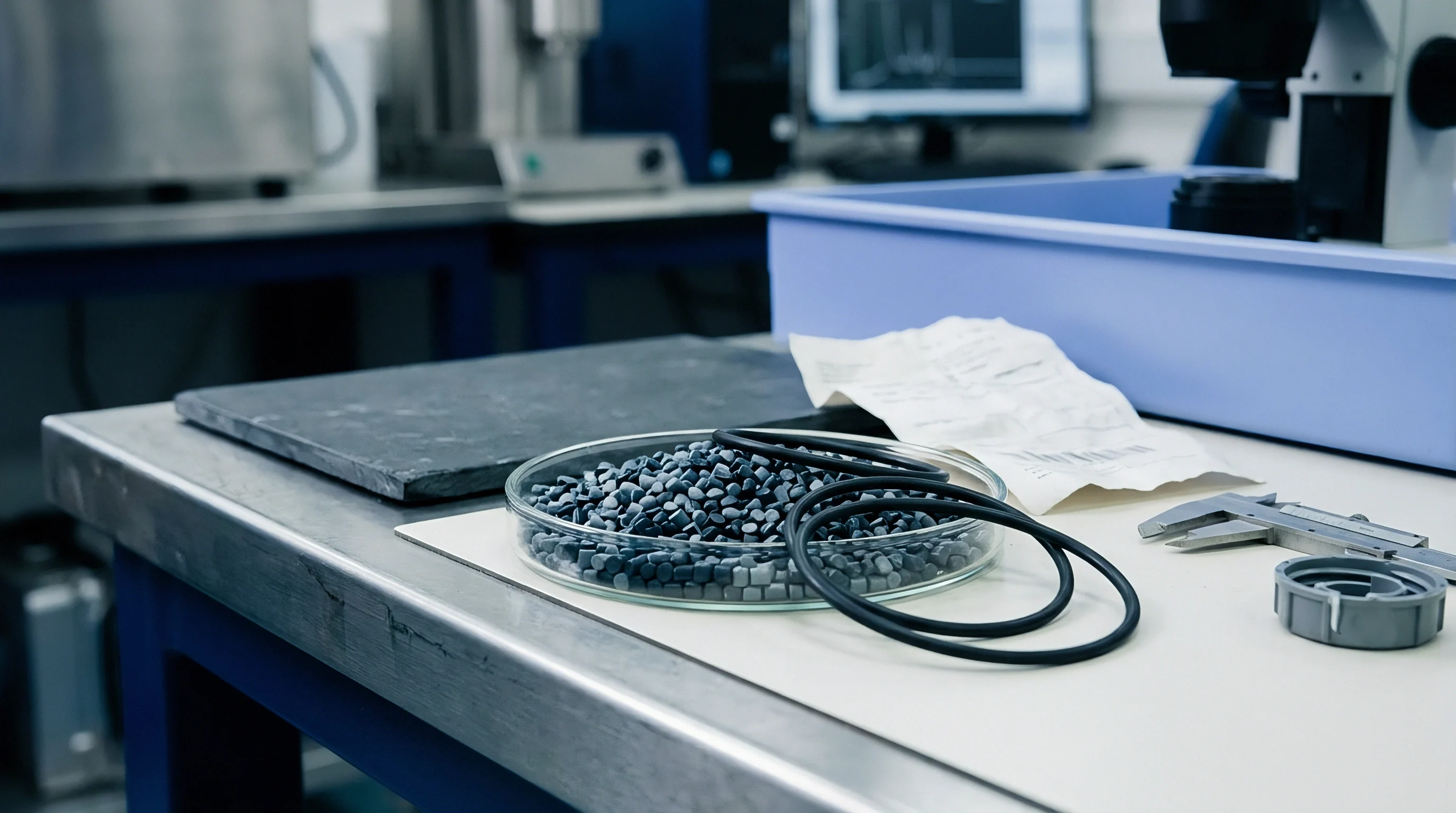
Technicians separate polymeric residues from surrounding compost particulates. Manual picking under optical magnification isolates translucent polylactic acid fragments, pigmented polybutylene adipate-co-terephthalate pieces, or mineral-filled film remnants. The retrieved polymer pieces receive gentle washing using deionized water to detach adherent humic crusts, followed by oven drying at 105°C ± 2°C until reaching constant weight.
Calculations derive the disintegration degree, D, through mass balance comparisons:
D = (M0 – Mr) / M0 100
In this equation, M0 designates the baseline dry mass of polymeric material incorporated into the composting mass at day zero, while Mr designates the total dry mass of polymer retained on the 2.0-millimeter sieve following test completion. The test criteria across EN 13432, ASTM D6400, and ISO 17088 specify that D must reach or exceed 90.0 percent. The target evaluates total physical disappearance from coarse soil conditioning matrices.
Mechanical Extraction Failure Modes
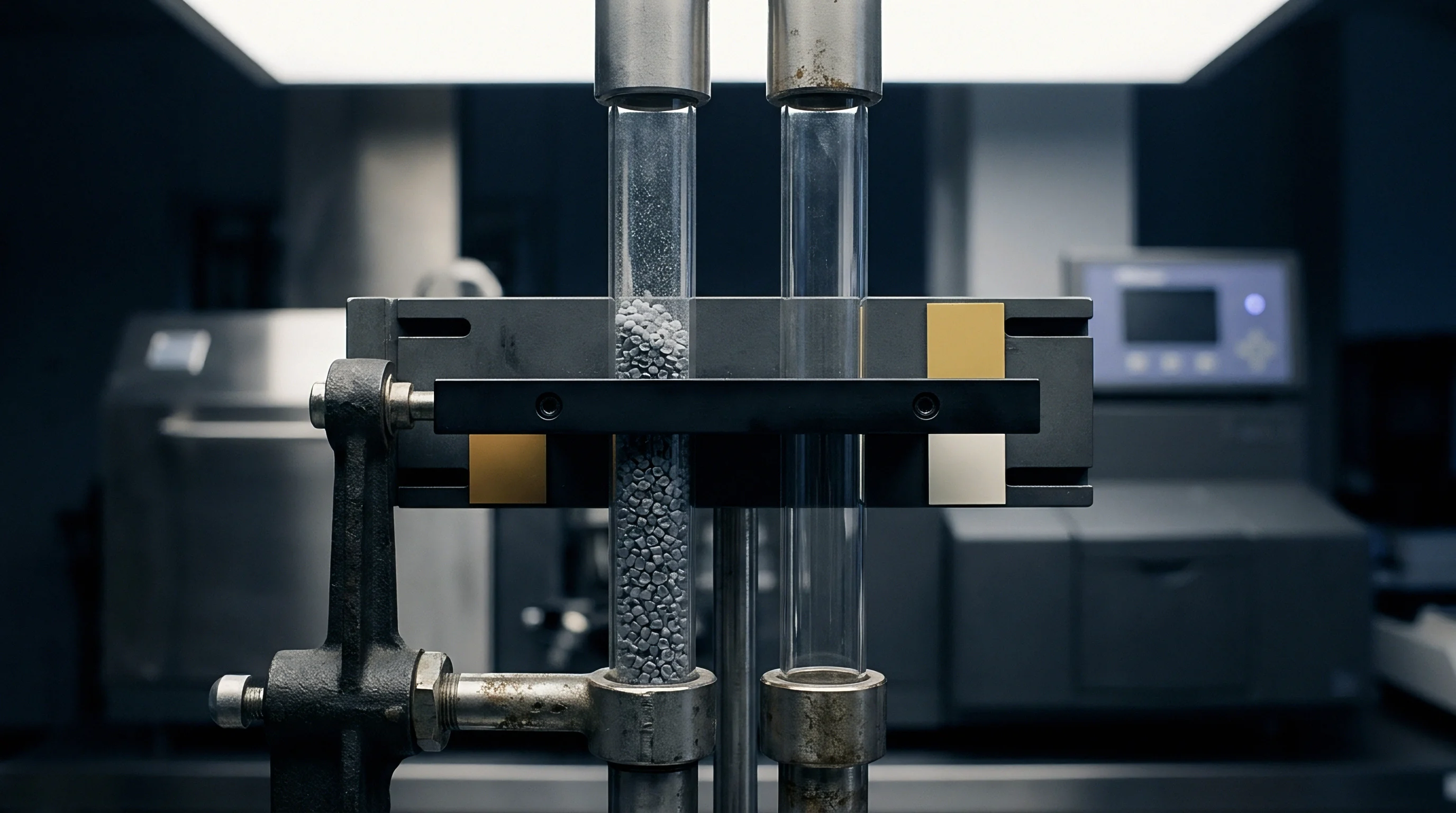
Systematic screening errors distort disintegration ratios. High moisture retention in residual compost particles causes agglomeration, blinding screen apertures and preventing legitimate fine fragments from passing into the collection pan. Overly vigorous mechanical shaking fragments brittle, partially degraded polymers artificially, misrepresenting field behavior.
- Aperture Blinding occurs when wet fibrous compost matter coats the wire screen, trapping fragments smaller than 2.0 millimeters above the partition plate.
- Specimen Fragmentation Shear breaks down structural specimens through aggressive ultrasonic baths or harsh mechanical brushing, generating falsely elevated disintegration values.
- Humic Mass Confounding happens when biological matrix adheres irreversibly to degraded resin surfaces, inflating the apparent residual dry mass of the plastic.
- Optical Misidentification leads technicians to discard transparent polymer shards as quartz sand or incorporate lignified compost particles into the measured polymer pan.
Fine visual inspection isolates recovered pieces. Sieve sorting demands baseline blanks to determine matrix particulate backgrounds within each fraction. Contamination of the recovery pan by foreign debris invalidates precision weighing balances.
Failure to calibrate sieves against certified calibration beads leads to false passes on commercial packaging lots, leaving brand owners exposed to laboratory non-compliance penalties.
Kinetics
Hydrolytic and Enzymatic Cleavage
Disintegration kinetics govern the speed at which polyester chains transition from solid structural shapes into fragments smaller than two millimeters. Aliphatic and aliphatic-aromatic polyesters degrade through initial random non-enzymatic chain scission. Moisture diffusion into amorphous polymer regions breaks ester linkages along the backbone.
This lowers number-average molecular weight below critical entanglement thresholds.
Polylactic acid undergoes bulk hydrolytic degradation driven by ambient humidity and elevated thermal energy. In the thermophilic operating zone between 55°C and 60°C, commercial poly-L-lactide reaches its glass transition temperature, typically 56°C to 58°C. Chain mobility increases dramatically. Water molecules penetrate the core, cleaving ester bonds and generating hydrophilic carboxyl and hydroxyl end groups.
The reaction accelerates autocatalytically through internally generated lactic acid oligomers.
Polybutylene adipate-co-terephthalate demonstrates surface-dominated enzymatic degradation alongside thermal hydrolysis. Microbial lipases, cutinases, and esterases secreted by thermophilic fungi cleave the aliphatic adipate domains rapidly. The aromatic terephthalate segments slow degradation rates down.
Blends of polylactic acid with polybutylene adipate-co-terephthalate phase-separate at microscopic scales, creating morphology-driven degradation paths where one phase erodes faster than the host matrix.
| Resin Type | Glass Transition (Tg) | Melting Point (Tm) | Primary Cleavage Vector | Typical 12-Week Disintegration |
|---|---|---|---|---|
| Poly-L-lactic Acid (PLLA) | 57°C to 60°C | 170°C to 178°C | Bulk non-enzymatic hydrolysis | Complete (>99% pass) |
| PBAT Copolyester | -30°C to -25°C | 115°C to 125°C | Surface enzymatic esterase | High (>95% pass) |
| PBS (Polybutylene succinate) | -35°C to -30°C | 112°C to 116°C | Enzymatic and hydrolytic | Intermediate (80% to 92%) |
| PHBV Copolymer (8 mol% V) | -1°C to 2°C | 155°C to 165°C | Extracellular enzymatic | High (>96% pass) |
| Petrochemical Recycled PP | -10°C to 0°C | 160°C to 166°C | Recalcitrant polyolefin backbone | Nil (0% pass, control) |
Crystallinity directly inhibits water ingress. Spherulites packed with lamellar polymer crystals resist moisture diffusion far more effectively than random amorphous phases. Unannealed thermoformed trays with five percent crystallinity disintegrate weeks faster than highly crystalline injection-molded cutlery parts produced with nucleating agents.
High-crystallinity sections survive past the 84-day boundary, resting on the 2.0-millimeter sieve at final screening.
Polyhydroxyalkanoates exhibit resistance to pure chemical hydrolysis below 60°C. Their disintegration relies on surface colonization by specific microbial consortia secreting extracellular PHA depolymerases. Surface roughness changes mark the onset of biological erosion. Cracks, pits, and voids multiply across the specimen surface, expanding surface area for further enzymatic attachment.
Crystalline lamellae restrict moisture diffusion, prolonging structural retention in thick parts during aerobic incubation.
Moisture depletion halts non-enzymatic chain scission. When reactor maintenance teams allow composting beds to fall below 45 percent moisture content, hydrolysis kinetics decline toward zero. Polymer degradation restarts only after rewiring vessel hydration levels to baseline parameters.
Suppliers explain delayed fragmentation by claiming their polymer grades simply demand longer stabilization times in commercial windrows.
Specimen
Why Do Heavy Cross Sections Fail Disintegration?
Geometric dimensions define the diffusion distance for water and extracellular enzymes. A thin blown film presenting a 20-micrometer cross section exposes immense surface area relative to its polymer volume. Water saturates the entire thickness within hours.
Hydrolysis reduces chain lengths uniformly across the bulk, leading to embrittlement, stress cracking, and physical collapse into fragments within 21 days.
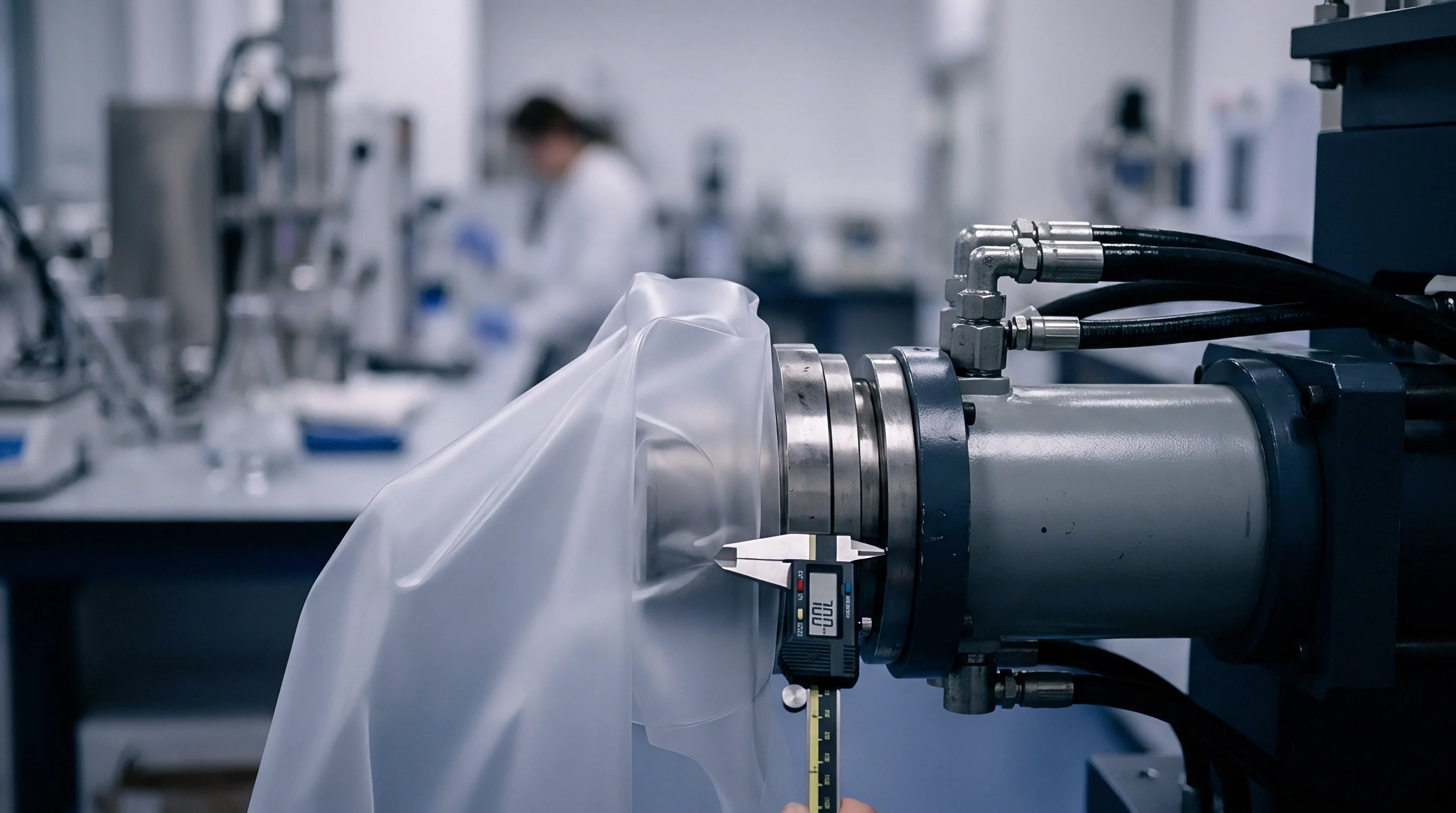
Injection-molded articles featuring walls between 1.5 millimeters and 3.0 millimeters exhibit diffusion-limited degradation. Water penetrates outer layers while core structures remain dry during initial thermophilic stages. By the time moisture saturates the interior, the compost reactor has passed its peak biological heating phase.
Core temperatures settle back down toward mesophilic ranges, reducing chemical hydrolysis rates by factors of two to four.
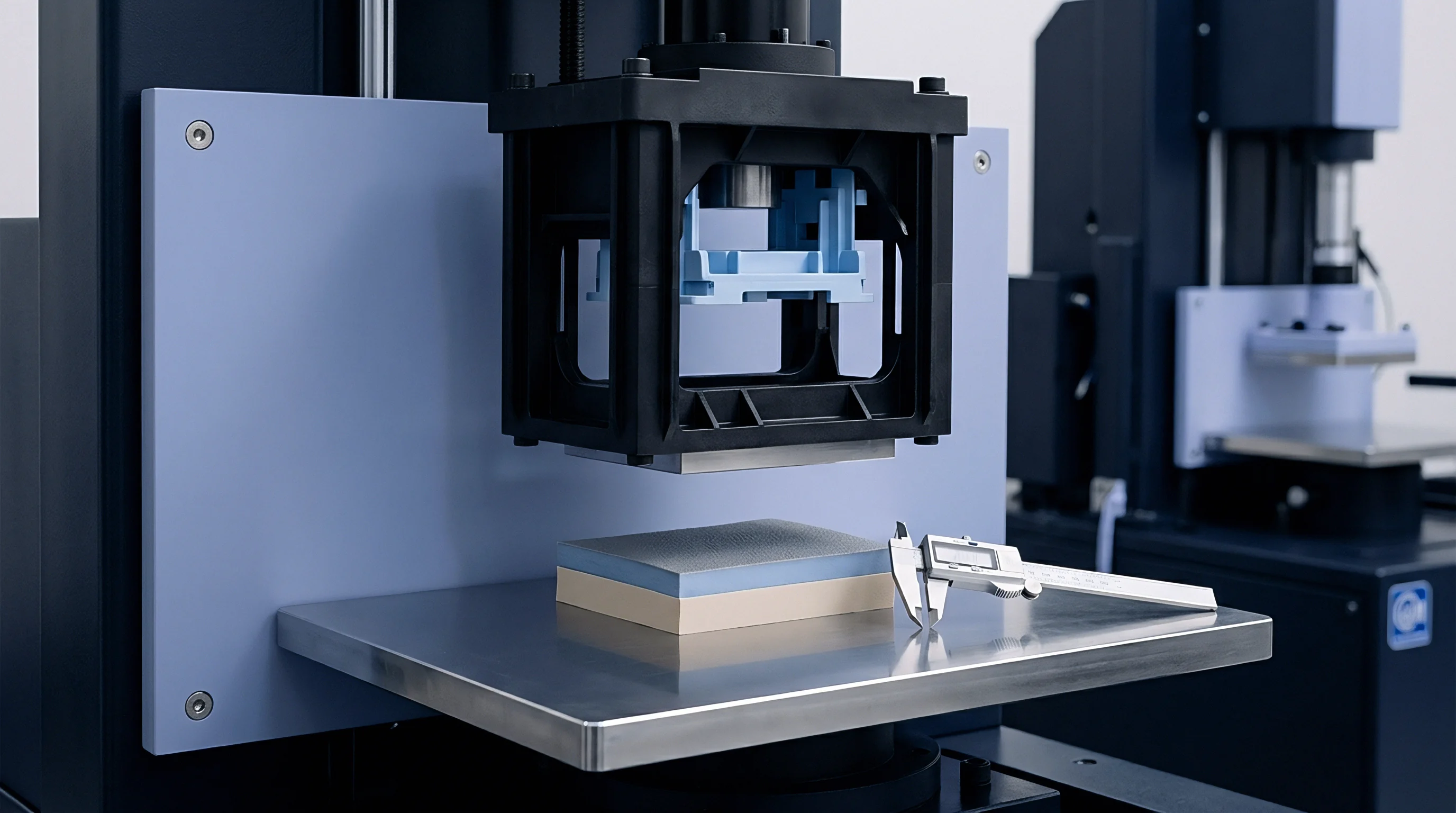
Certification dossiers limit approval to the maximum thickness tested in the laboratory. If an applicant tests a 1.2-millimeter thermoformed container, the resulting certification covers articles using that specific resin formulation up to 1.2 millimeters. It offers zero coverage for an identical formulation molded into a 2.0-millimeter utensil handle.
Sourcing teams verify that supplier test certificates cover the thickest cross section of their active production mold tooling.
| Finished Part Format | Target Thickness Range | Test Protocol Specification | Typical Disintegration Duration |
|---|---|---|---|
| Flexible Blown Film | 15 μm to 50 μm | ISO 20200 or ISO 16929 | 14 to 28 days to >90% pass |
| Thermoformed Produce Trays | 200 μm to 450 μm | ISO 16929 Pilot Bin | 42 to 60 days to >90% pass |
| Extruded Solid Sheets | 500 μm to 800 μm | ISO 16929 Pilot Bin | 56 to 75 days to >90% pass |
| Injection-Molded Flatware | 1200 μm to 2500 μm | ISO 16929 Full Scale | 75 to 84+ days (borderline) |
Mineral additives, masterbatch carriers, and structural fillers alter degradation mechanics. Compounders incorporate calcium carbonate or talc at loadings between 10 percent and 40 percent by weight to reduce resin costs and raise heat deflection temperatures. These mineral particles displace polymer volume and can create interfacial micro-voids that channel water into the core.
Excessive filler concentrations agglomerate, forming rigid structural networks that prevent complete dispersion and retain solid fragment shapes past screening cutoffs.
Colorants and processing slip agents affect microbial colonization. Heavy loadings of titanium dioxide white pigment reflect radiation and alter thermal profiles, occasionally shielding ester links from mechanical disruption. Carbon black masterbatches based on non-biodegradable polyethylene carrier resins contaminate disintegration beds.
An incoming qualification rule verifies that all pigment masterbatches utilize carrier systems matching the certified base resin matrix.
Thick wall profiles inevitably demand longer biological exposure than thin films.

Registry
Certification Dossiers and Compliance Standards
Certifying bodies translate raw laboratory test reports into commercial certification marks. Organizations such as the Biodegradable Products Institute, DIN CERTCO, and TÜV AUSTRIA maintain strict review schemes governing industrial compostability claims. A complete compliance dossier incorporates chemical characterization, ultimate aerobic biodegradation testing under ISO 14855 or ASTM D5338, quantitative plant toxicity ecotoxicity screening under OECD 208, and physical disintegration verification under ISO 16929 or ISO 20200.
Disintegration data alone cannot support a commercial compostability claim. The standard frameworks demand proof of complete chemical mineralization alongside physical breakdown. ISO 14855 measures the conversion of polymer carbon into gaseous carbon dioxide via respirometry, demanding 90 percent theoretical conversion within 180 days.
A material that shatters into microscopic particles without biological mineralization fails certification entirely.
- Heavy Metal Analysis defines baseline material limits for copper, nickel, lead, cadmium, mercury, and fluorine, screening raw resins before biological exposure.
- Respirometric Mineralization quantifies evolved carbon dioxide gas over 180 days, documenting that polymer chains convert into metabolic microbial byproducts.
- Pilot Disintegration Run validates that packaging structures disintegrate below 2.0-millimeter fragments within 84 days under managed thermophilic composting conditions.
- Higher Plant Toxicity evaluates emerging compost batches on barley and cress seedlings, verifying that degrading polymer residues leave soil germination unaffected.
Divergence persists between standard laboratory conditions and industrial composting facilities. Standardized testing runs at fixed temperatures up to 60°C for 12 straight weeks, maintained with consistent turning and dedicated moisture addition. Commercial facilities operate on faster commercial rotations, processing incoming biowaste within operational retention cycles of 30 to 45 days.
Materials certified in laboratory pilot vessels occasionally remain intact in short-cycle industrial systems.
Purchasing teams mitigate regulatory exposure by auditing laboratory test certificates directly. Discrepancies between base resin grades, formulation additives, and finished converted wall thicknesses create substantial liability under evolving packaging waste directives. Unresolved questions remain regarding whether existing 12-week disintegration standards align with modern commercial composting cycles running under 40 days.