Meaning
Mold surface texturing processes apply controlled geometric micro-patterns or random grain textures onto tool cavity walls to dictate final plastic part appearance and tactile feel. Injection moulders utilize tool steel graining to obscure flow lines and sink marks on exterior automotive panels and consumer electronics housings. Etching acid baths or laser ablation beams carve controlled micro-structures into hardened P20 or H13 tool steel cores.
The texturing process applies to finished tool cavity surfaces before production molding, ceasing to function if severe tool erosion occurs during long resin production runs.
Chemical Etching
Multi-step photo-chemical etching methods use acid-resistant masks to protect selected steel zones while etching surrounding cavity areas. Modern tool steel graining relies on precise exposure of photoresist films to create leather or geometric patterns on complex three-dimensional core surfaces. Varied steel grain structure and localized chemical composition differences alter local etch depth, requiring vacuum-melted steel grades for uniform texture appearance.
Impurities inside lower-grade steel create pitted surface defects that damage moulded part aesthetics.
Laser Texturing
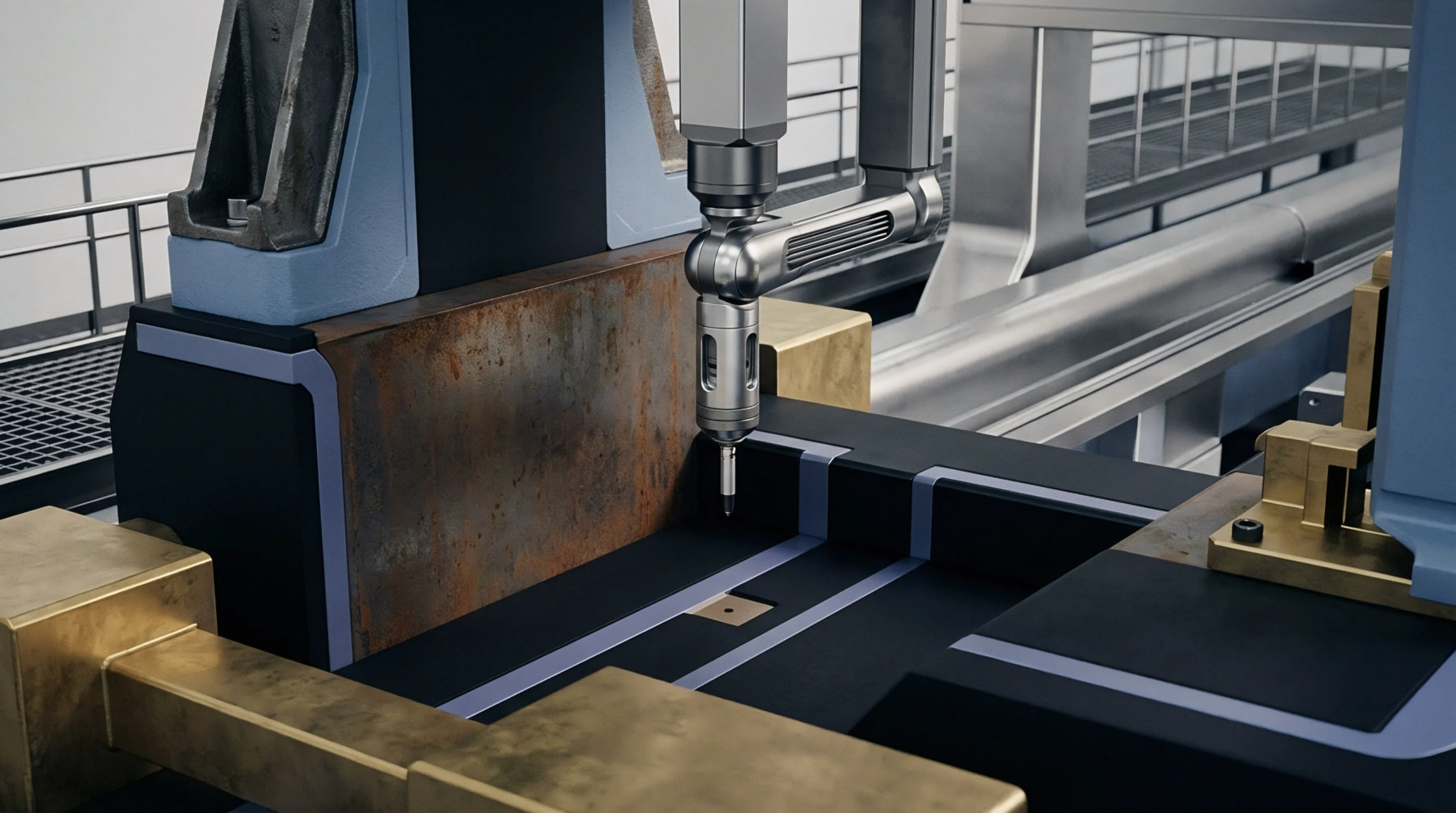
Five-axis laser ablation systems map digital texture graphics directly onto complex tool geometries without chemical effluents. Applying laser-based tool steel graining enables consistent grain depth across steep cavity walls where chemical acid pooling traditionally causes uneven texture depth. Digital mapping software calculates beam angle adjustments to compensate for non-perpendicular surface contours.
High initial capital investment limits laser texturing adoption to high-precision automotive toolmaking applications.
Moulding Performance
Cavity wall texture influences resin fill behavior and part ejection forces during injection moulding cycles. Proper tool steel graining creates air pockets that prevent vacuum formation, easing part release without excessive ejector pin pressure. Deep, aggressive textures increase mechanical draft requirements, causing scuff marks if draft angles remain insufficient.