Meaning
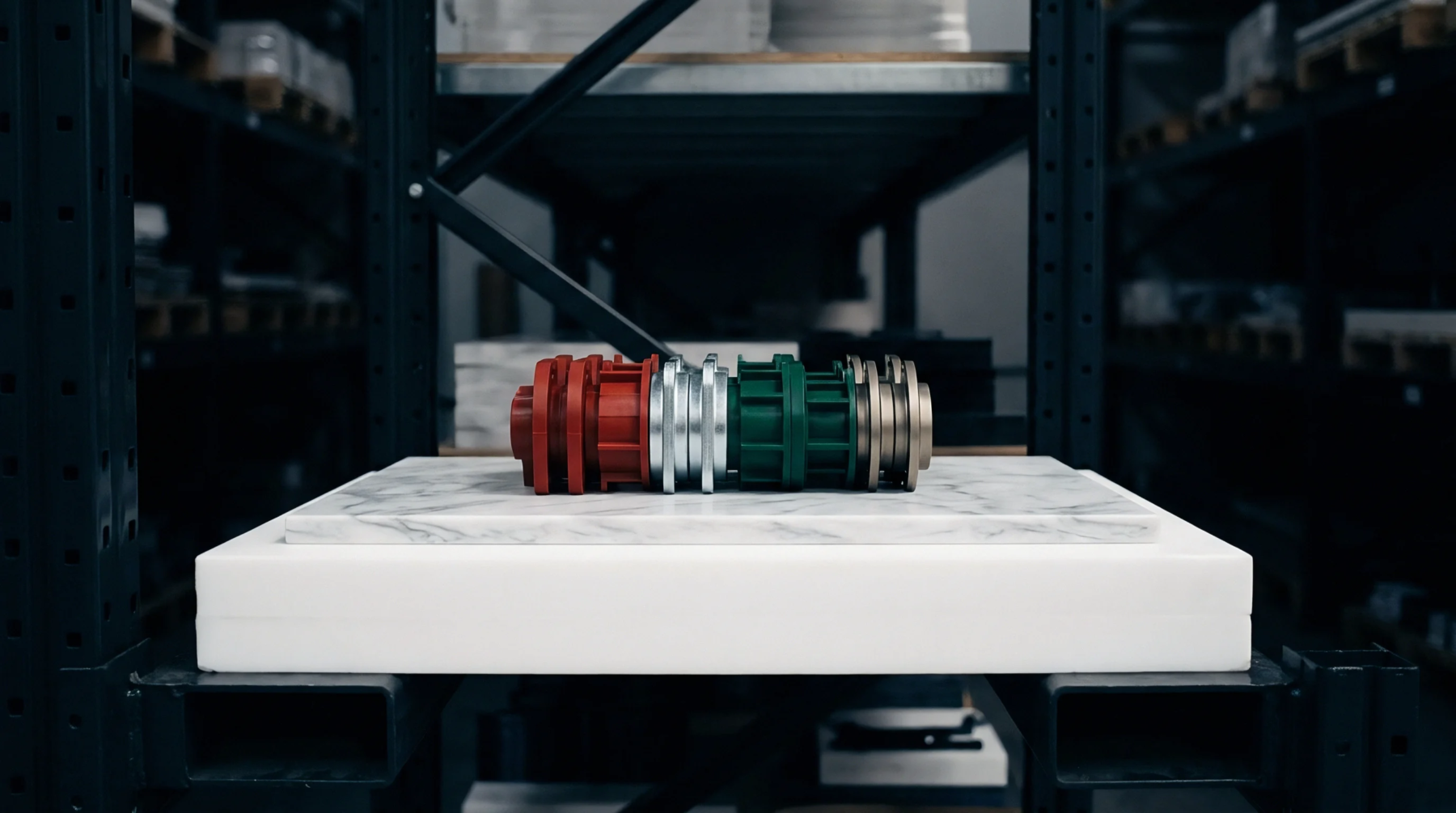
Removable forming cores machined from lightweight metal alloys provide a temporary substrate for the filament winding or electroforming of complex hollow polymer parts. Using a sacrificial aluminum mandrel allows for the fabrication of seamless ducting or composite vessels with complex internal curves that would be impossible to demold with a solid, permanent tool. After the polymer has fully cured, the metal core is chemically dissolved to leave a hollow structure.
Dissolution Process
Chemical removal of the metal core relies on the selective reaction of a caustic solution with the aluminum while leaving the cured polymer unaffected. Once the polymer part has fully cured, the assembly is immersed in a sodium hydroxide bath to dissolve the sacrificial aluminum mandrel. This chemical wash must be carefully monitored to prevent thermal damage to the polymer from the exothermic reaction and to ensure that all metallic residue is completely rinsed from the internal cavities of the part.
Tool Economics
Manufacturing costs are influenced by the requirement to produce a new metal mandrel for every finished part. Although a sacrificial aluminum mandrel allows for unmatched geometric freedom, the process is expensive due to the loss of the machined aluminum tool and the time required for chemical etching. This approach is therefore reserved for high-value applications in the aerospace or specialty medical sectors where performance demands outweigh the tooling costs.
Part Geometry
Complex undercuts and varying diameters are easily produced using this method. The moldable shape is limited only by the machining capability of the metal core and the fluid flow of the chemical wash.