Meaning
The presence of unintended halogenated vinyl polymers within polyolefin, polystyrene or polyester scrap streams represents a destructive compositional fault in recycling operations. Even microscopic traces of polyvinyl chloride contamination generate severe processing disruptions because the vinyl polymer decomposes thermally at temperatures well below the melting points of common technical resins. Hydrochloric acid gas off-gasses aggressively during compounding, driving corrosive wear on machine surfaces and triggering autocatalytic molecular breakdown in neighboring polymers.
The classification excludes deliberate vinyl formulations, engineered blends and co-extruded barrier constructions where specialized stabilization systems are intentionally formulated into the original compound.
Thermal Decomposition
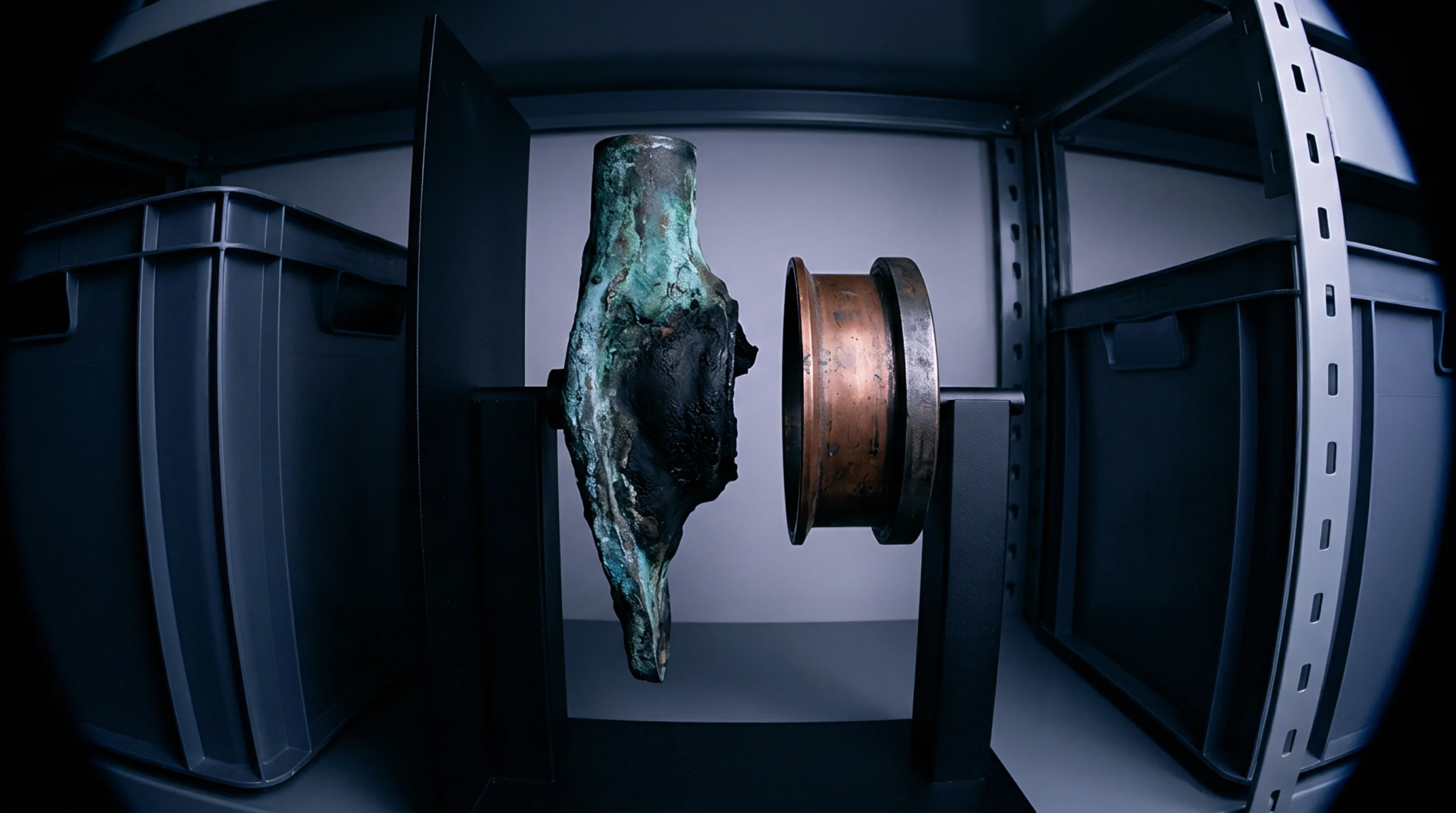
Vinyl polymers release structural chlorine when heated past one hundred and sixty degrees Celsius within the non-inert environment of an extruder barrel. Polyvinyl chloride contamination sheds hydrogen chloride gas, leaving behind conjugated polyene sequences that tint the melt yellow, brown, and finally black. The liberated hydrochloric acid corrodes screw flights, barrel linings, hot runner manifolds and polished mould cavities.
Surface pitting on expensive injection moulds occurs within hours of processing contaminated lots. Tooling repairs require electroplating stripping, welding and re-polishing, imposing heavy unexpected production downtime.
Structural Embrittlement
Recycled polyethylene terephthalate flakes suffer catastrophic drop-offs in intrinsic viscosity when exposed to acidic decomposition products during extrusion. Polyvinyl chloride contamination accelerates chain scission through acid-catalyzed ester hydrolysis, transforming ductile bottle grade polymer into brittle resin unable to sustain blow moulding pressures. Solid inclusions of unmelted, carbonized vinyl char create stress concentration points inside preforms.
Containers blow out during inflation or crack under top-load testing in packaging plants. The physical properties of virgin polyolefins deteriorate similarly, turning ductile films brittle through chemical degradation.
Separation Technologies
Reclaim facilities install automated optical sorters, near-infrared detection systems and electrostatic separators to purge vinyl containers before shredding operations. Polyvinyl chloride contamination limits for high-value bottle-to-bottle recycling loops sit strictly below fifty parts per million. Consignments exceeding these tolerances face instant rejection or severe price discounts down to construction grade profile applications.
Density separation tanks isolate heavier vinyl flakes, but electrostatic properties require advanced sorting verification. Clean reclaimed streams ensure stable injection pressures and preserve expensive hot-runner equipment throughout continuous moulding runs.