Meaning
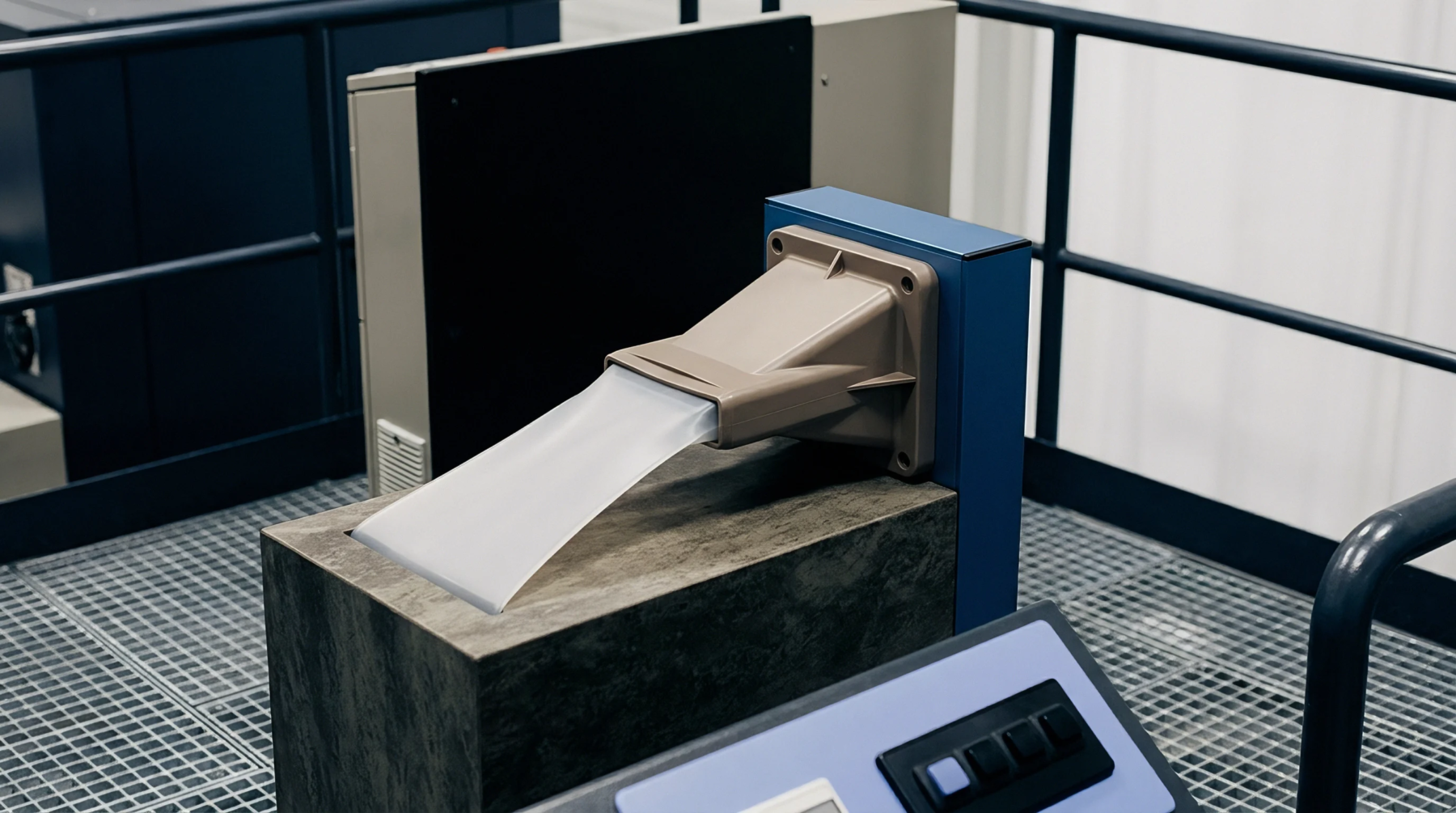
Non-marring contact surface used to support complex polymer geometries during ultrasonic welding or assembly. A polyoxymethylene nest provides a durable interface that protects the finish of the part while resisting the chemicals found in industrial environments. This component is typically used in secondary stations where the part must be supported against significant downward force.
The low friction of the material allows the part to be loaded and unloaded without scuffing the polymer surface.
Structural Rigidity
Machining this material allows for the creation of complex geometries that perfectly match the contours of the part. A polyoxymethylene nest must be thick enough to resist deflection under the loads of the assembly process. If the nest flexes, the energy from an ultrasonic welder will be absorbed by the fixture rather than the weld joint.
This stiffness ensures that every part is processed under identical conditions.
Chemical Resistance
Stability in the presence of lubricants and cleaning agents makes this material ideal for the factory floor. Unlike some other plastics, a polyoxymethylene nest will not swell or degrade when exposed to the oils often found on injection moulded components. It maintains its dimensional accuracy across millions of cycles in a high-volume production environment.
This longevity reduces the need for frequent replacement of the nesting components.
Wear Property
Natural lubricity prevents the buildup of resin dust.