Meaning
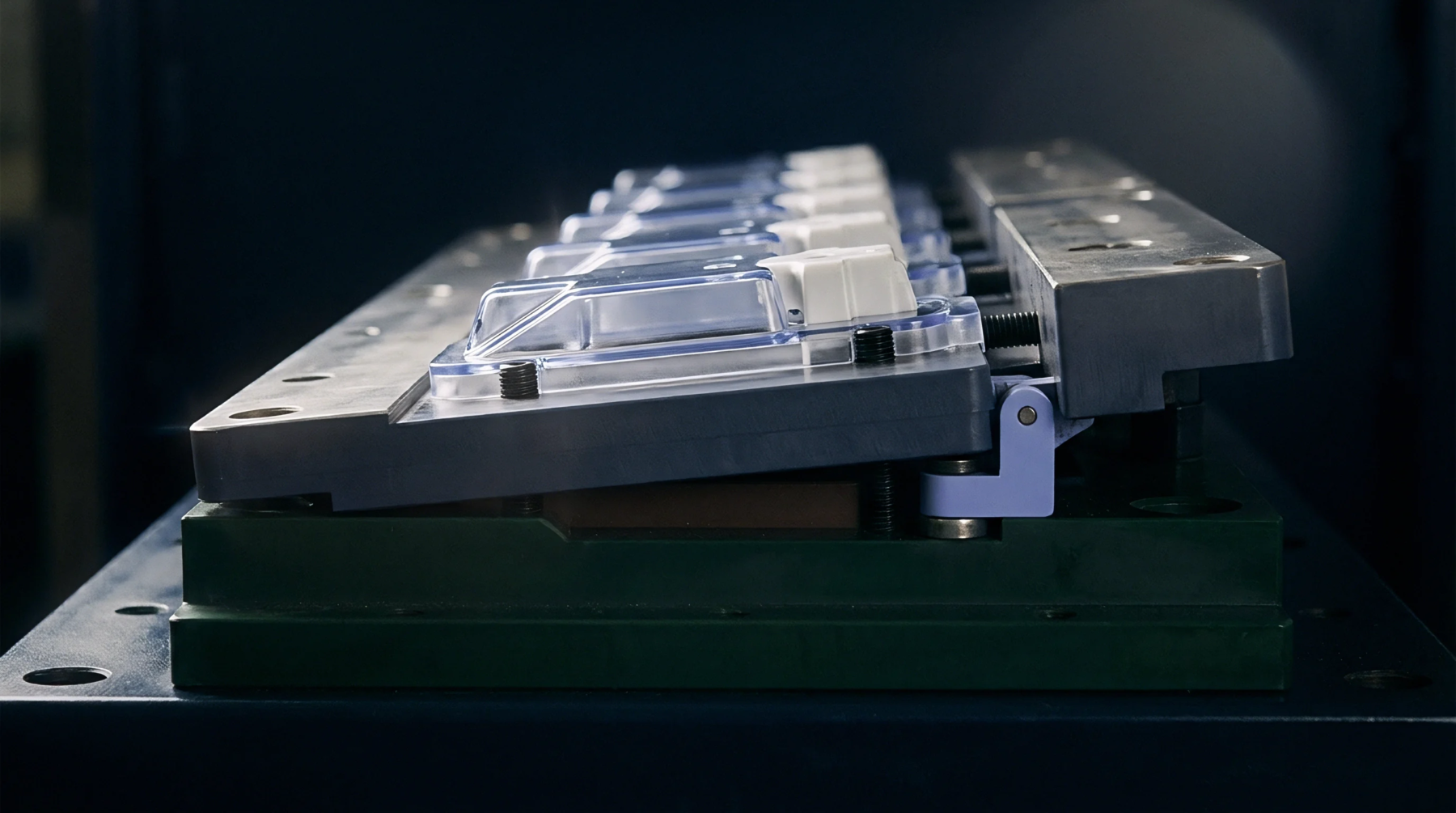
High precision quartz sensors embedded in injection moulding cavities convert mechanical pressure into electrical charges to monitor cavity conditions in real time. A piezoelectric cavity pressure transducer provides accurate data on the pressure of the molten plastic during the filling, packing and cooling stages of the cycle. This sensor is crucial for advanced scientific moulding.
Sensing Mechanism
Pressure applied to the sensor deforms the quartz crystals, which generates a small electrical charge proportional to the applied force. This signal is amplified and converted into a pressure curve that represents the actual conditions inside the mould. Because the piezoelectric cavity pressure transducer reacts instantly, it can capture rapid changes in pressure during high speed injection.
Process Control
Moulders use this real time data to adjust the velocity to pack switchover point and ensure consistent cavity filling. By comparing the pressure curve of each cycle to a master curve, the controller can detect viscosity changes, short shots or flash before the mould opens. This capability allows the system to sort parts automatically based on the measured pressure curve.
Tooling Integration
Installing these sensors requires precise machining of the mould steel, usually behind an ejector pin or directly in the cavity wall. The piezoelectric cavity pressure transducer must be positioned where it can measure the pressure at the critical locations of the part, such as near the gate or at the end of fill. Proper installation and wiring protect the sensor from damage during high pressure runs and ensure a long service life, allowing the production line to run continuously with minimal sensor drift and high measurement reliability over millions of cycles.