Meaning
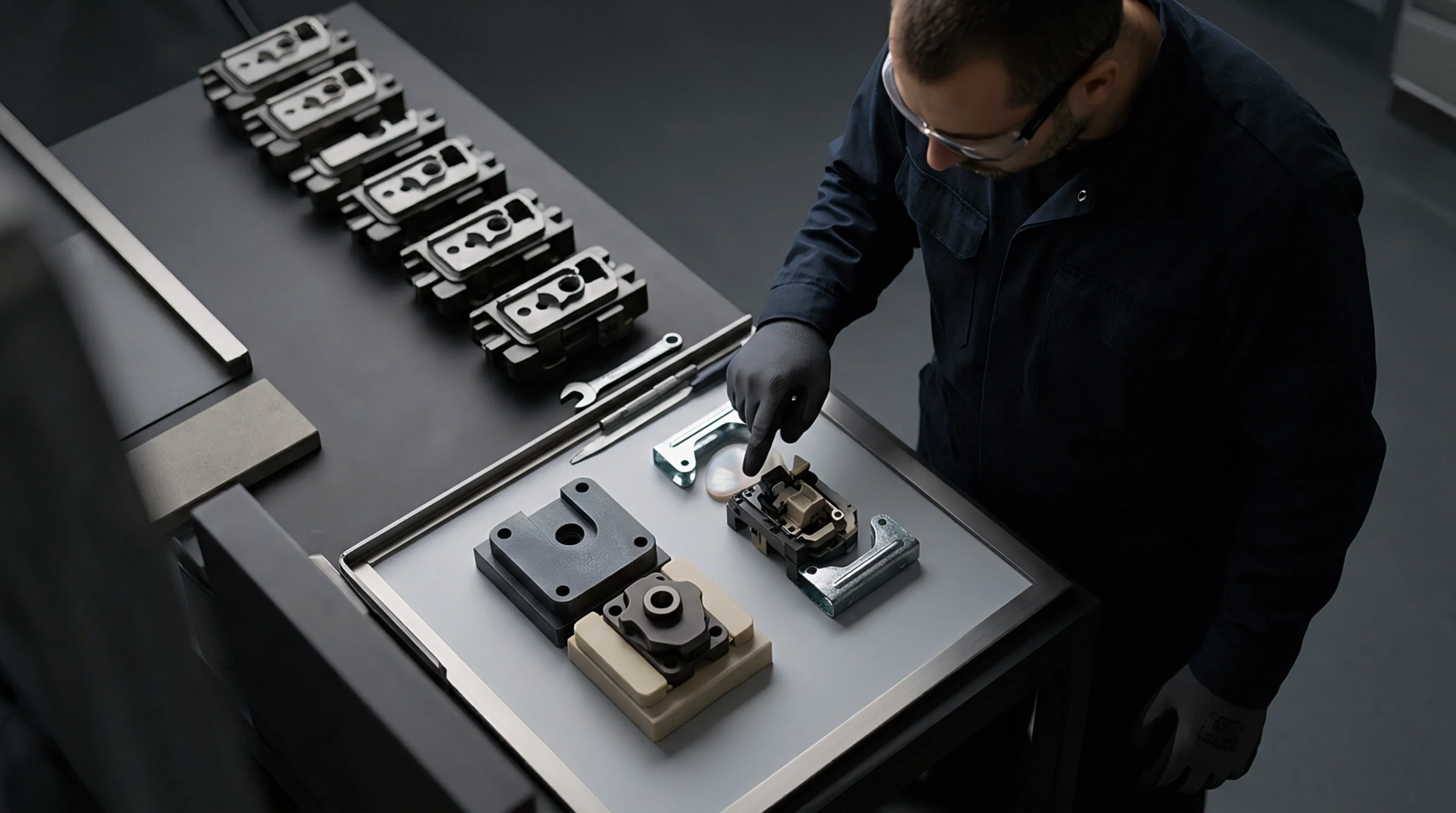
Tooling restoration methods rebuild worn or damaged steel surfaces along mold shutoff interfaces to eliminate material flash. Executing a parting line repair restores proper mechanical contact and dimensional integrity to cavity perimeter lands that have suffered hobbing or erosion. Technicians apply micro-laser welding or precision TIG welding to deposit matching tool steel onto damaged areas, followed by manual bench fitting and CNC grinding.
This restoration process refurbishes mechanical shutoff sealing but cannot correct structural mold base deformation caused by press platen bending.
Welding Techniques
Material selection for weld wire must match the parent steel grade to ensure uniform hardness and thermal expansion. Performing parting line repair with laser welding minimizes heat input, preventing thermal distortion and annealing of surrounding pre-hardened P20 or H13 tool steel. Precision deposits reduce post-weld machining time while restoring original shutoff geometry.
Bench Fitting
Hand stoning and ink transfer checks verify seal tightness after weld deposition and rough grinding. Finalizing parting line repair requires applying bluing pigment to check contact distribution across restored lands under clamp pressure. Iterative fitting ensures eighty to ninety percent steel contact, preventing resin leakage under peak injection pressure.
Cost Efficiency
Rebuilding localized shutoff wear extends total mold service life at a fraction of full tool replacement cost. Implementing parting line repair early prevents minor flash issues from turning into catastrophic tool steel collapse that destroys core and cavity inserts. Restored tools maintain original part dimensions and eliminate costly secondary deflashing operations.