
Masterbatch Non Intentionally Added Substances Migration Risk
Masterbatch additions introduce unlisted degradation products and carrier oligomers that migrate above European regulatory limits if thermal stress is unmanaged.
Masterbatch additions introduce unlisted degradation products and carrier oligomers that migrate above European regulatory limits if thermal stress is unmanaged.

Polyolefin saturated hydrocarbons in HDPE film mimic mineral oils, requiring two-dimensional GC to separate native oligomers and confirm migration limits.

Representative core sampling and thermal screening prevent off-spec polyethylene import seizures before containers leave the border terminal.
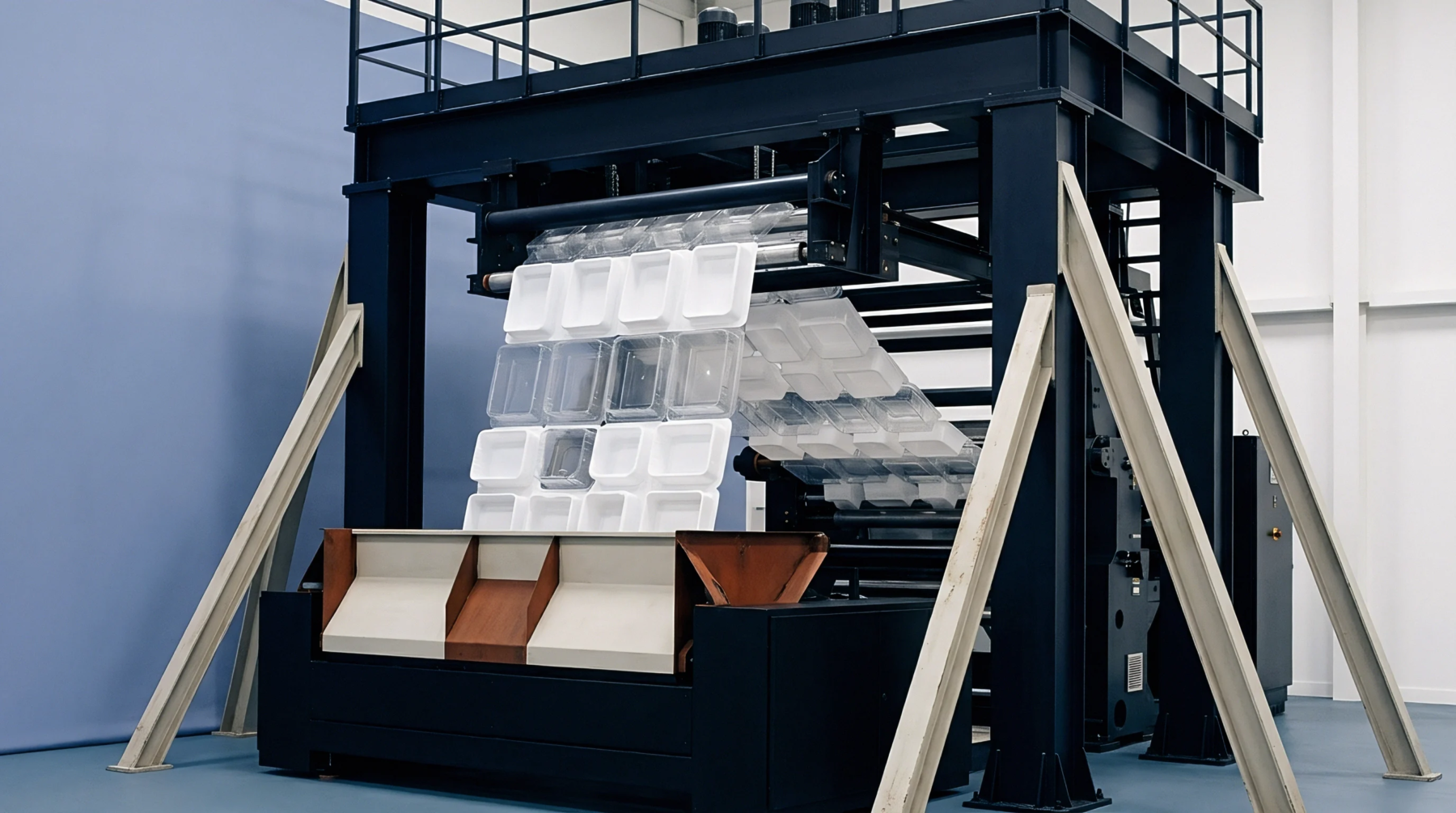
Polyolefin migration compliance demands simulant-specific exposure verification and mass-spectrometric screening for unlisted oligomeric hydrocarbons.
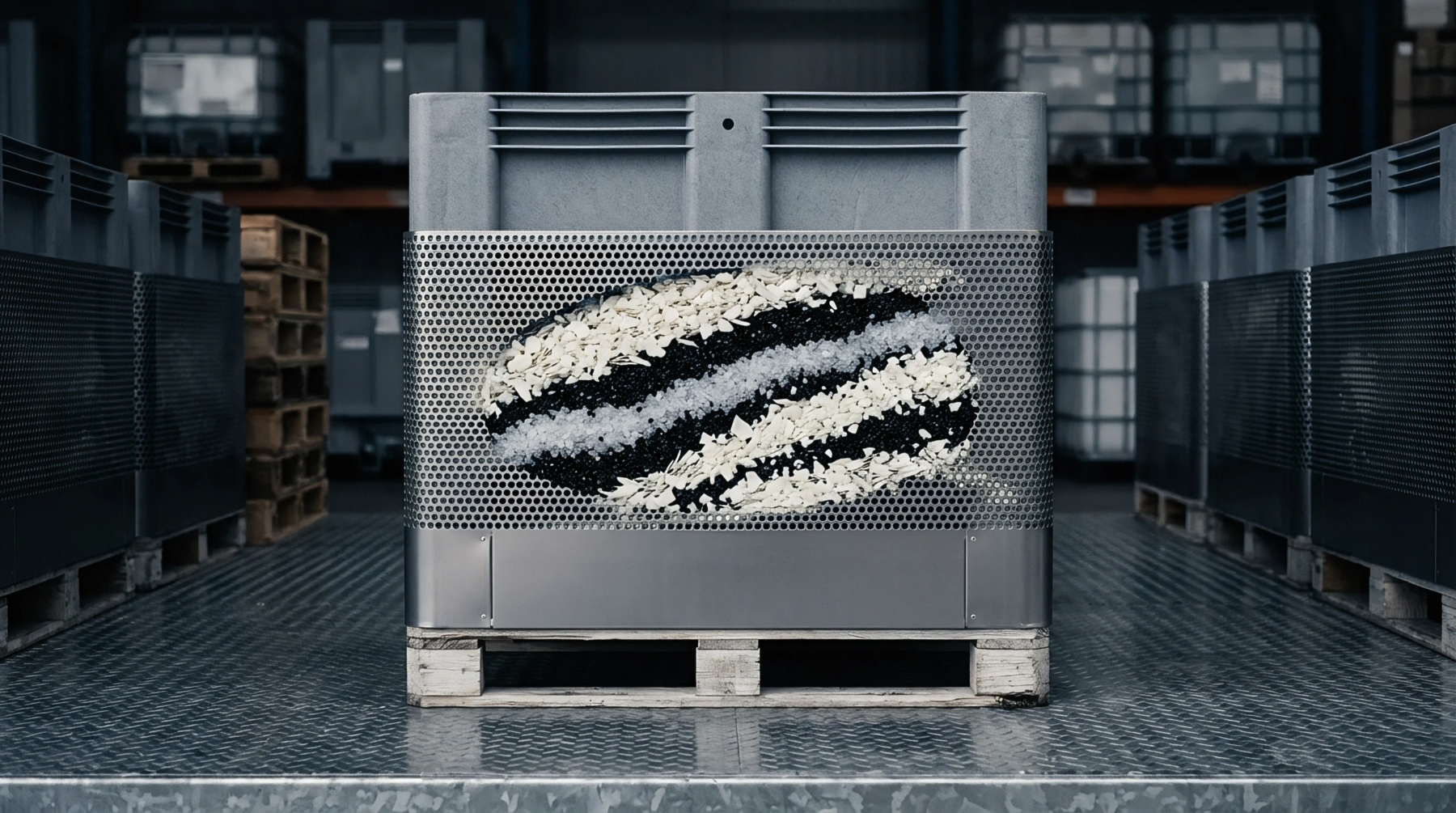
Specific migration limits restrict migrant transfer from plastics into food, verified via standardized simulants, time-temperature windows, and area ratios.
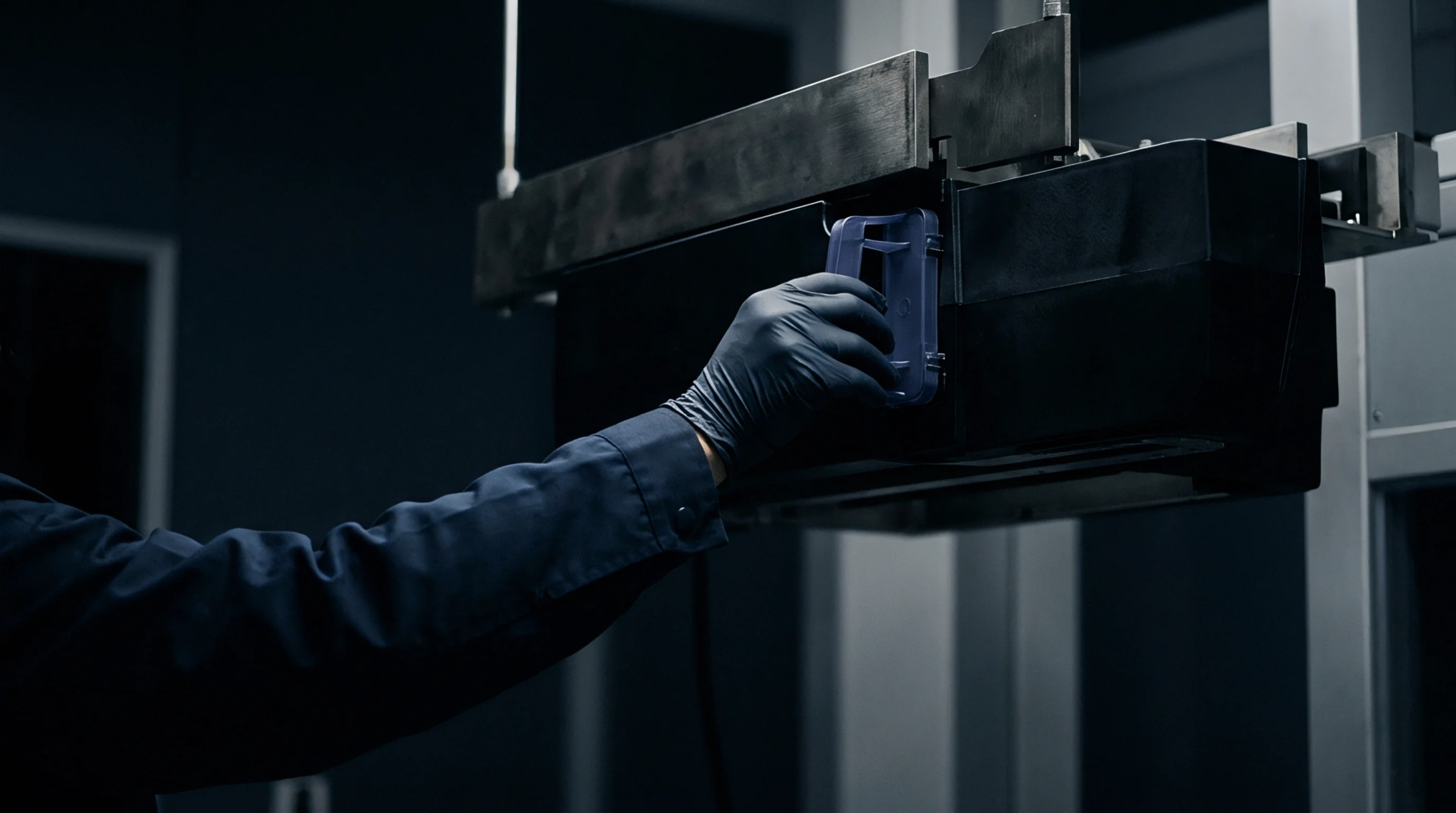
Analytical migration report verification requires aligning production lot numbers, food simulants, exposure regimes, and detection limits with customs entries.

Verify food contact compliance by aligning accredited migration data, batch traceability, and full component declarations before cargo arrival.
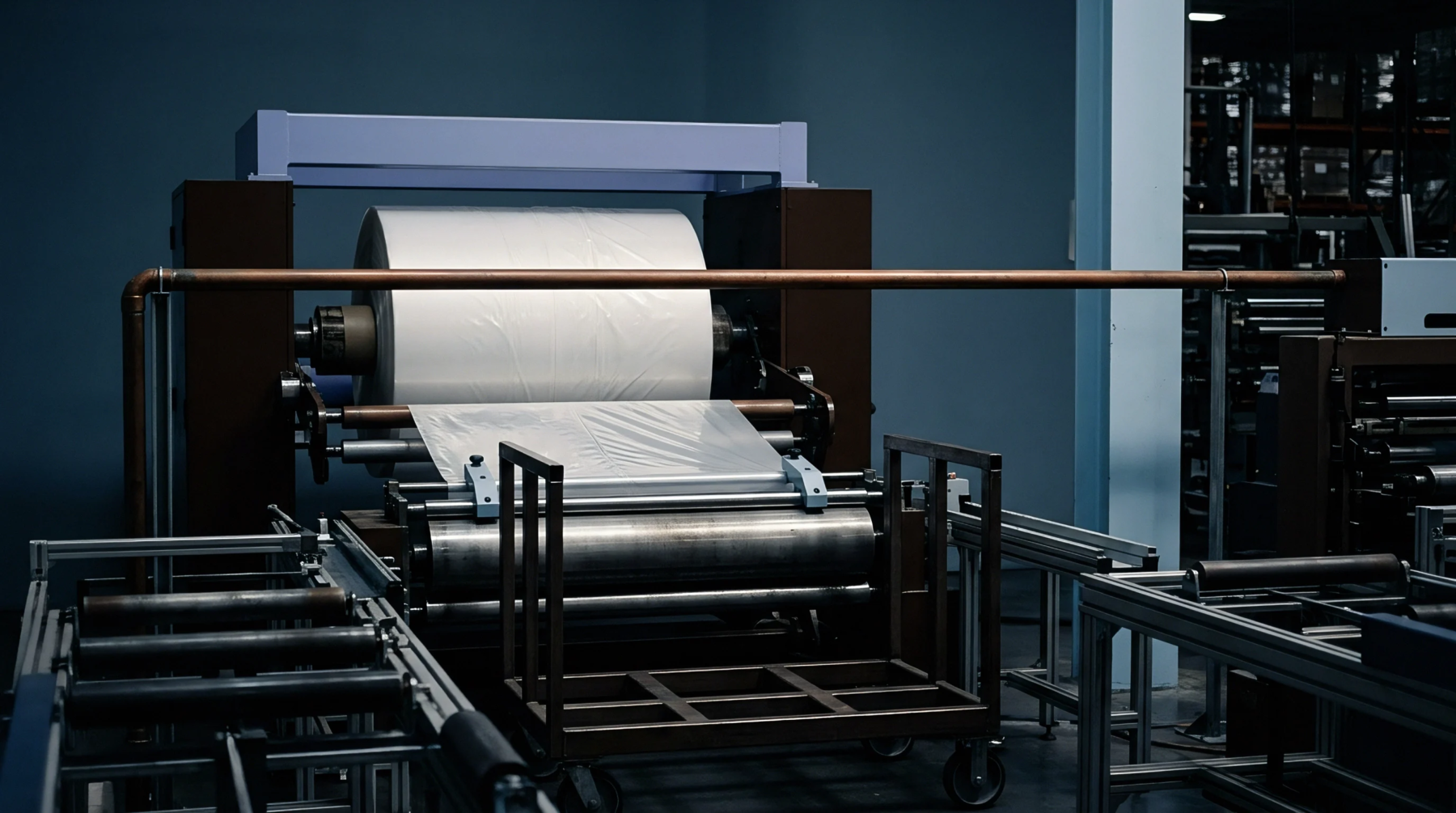
Third-party regulatory escrow audits unredacted polymer formulations to verify migration compliance while shielding proprietary masterbatch recipes.

Primary amides partition toward high-free-volume polyolefin plies, requiring chromatography and friction verification to prevent costly converting failures.
Expertise is a utility, not a secret. sentiention™ publishes its working knowledge as open reference: intelligence layer covering the materials it sources, the markets it enters, and the reference that serves both.