Meaning
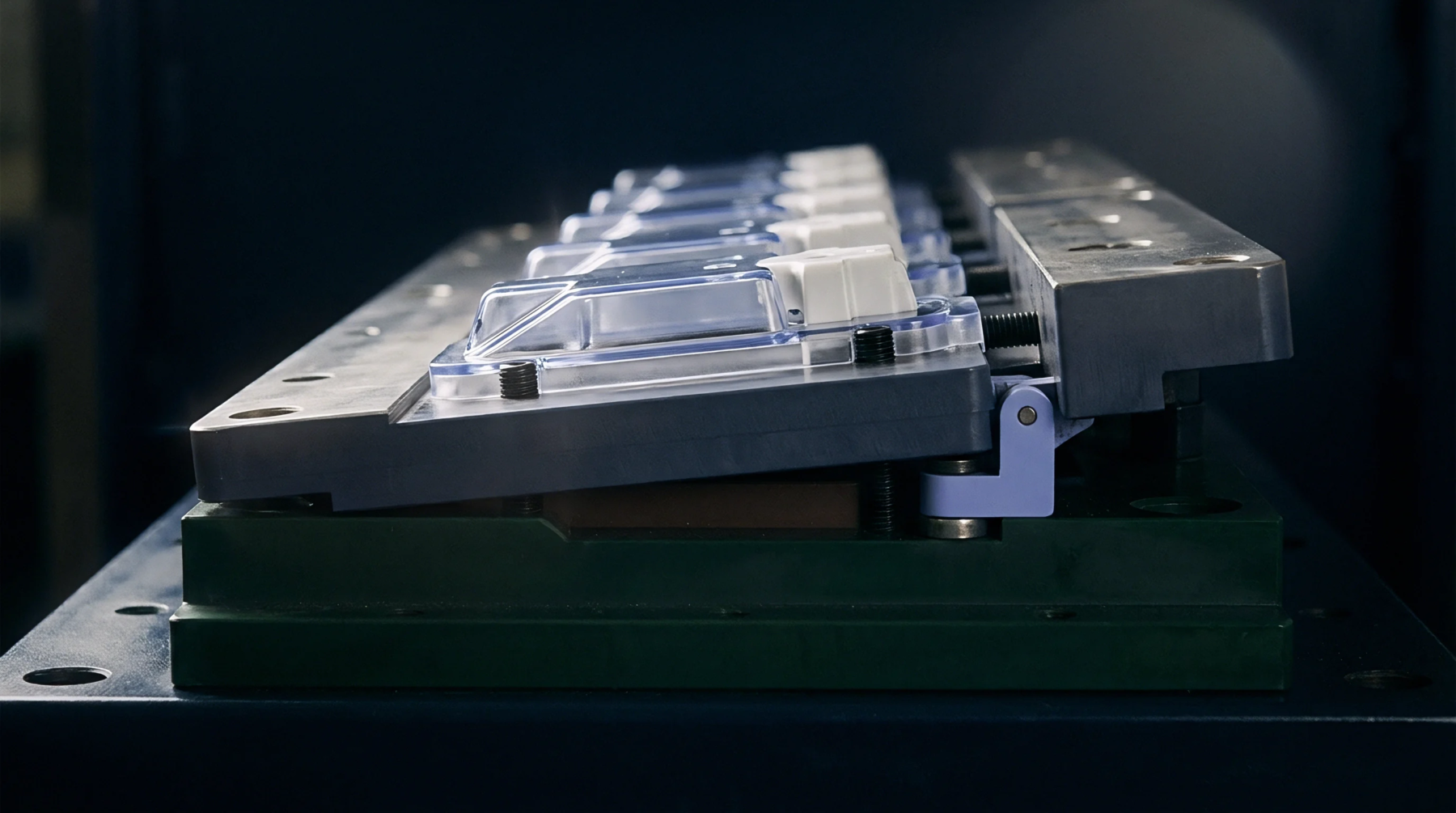
Maintenance procedures designed to monitor the wear and loss of steel material from tool cavities caused by abrasive glass fibers or corrosive outgassing are known as mold erosion tracking. Through mold erosion tracking, manufacturers can schedule preventive tooling maintenance before the worn surfaces alter the dimensions of the molded parts. It helps to prolong the working life of high-volume production injection molds.
Wear Mechanism
Abrasive wear occurs when reinforced resins containing glass fibers or mineral fillers are injected into the tool under high pressure and velocity. Corrosive wear can also happen when polymers like PVC release acidic gases during processing. This combination of mechanical abrasion and chemical attack gradually strip steel from the gate area and cavity walls.
Monitoring Technique
Production teams use precision metrology to measure specific reference points within the tool at regular intervals. Applying mold erosion tracking involves using optical profilometers or laser scanners to compare the current tool cavity dimensions against the original CAD file. In some setups, sensors embedded in the mold can detect changes in pressure or flow velocity that indicate a widening of the gate.
Preventive Action
Early detection of steel loss allows the molding team to plan for tool inserts or surface re-coating. By addressing the wear before it exceeds tolerances, the factory avoids producing flash or out-of-spec components. This protective step minimizes scrap rates and keeps production runs within the required commercial limits.