Meaning
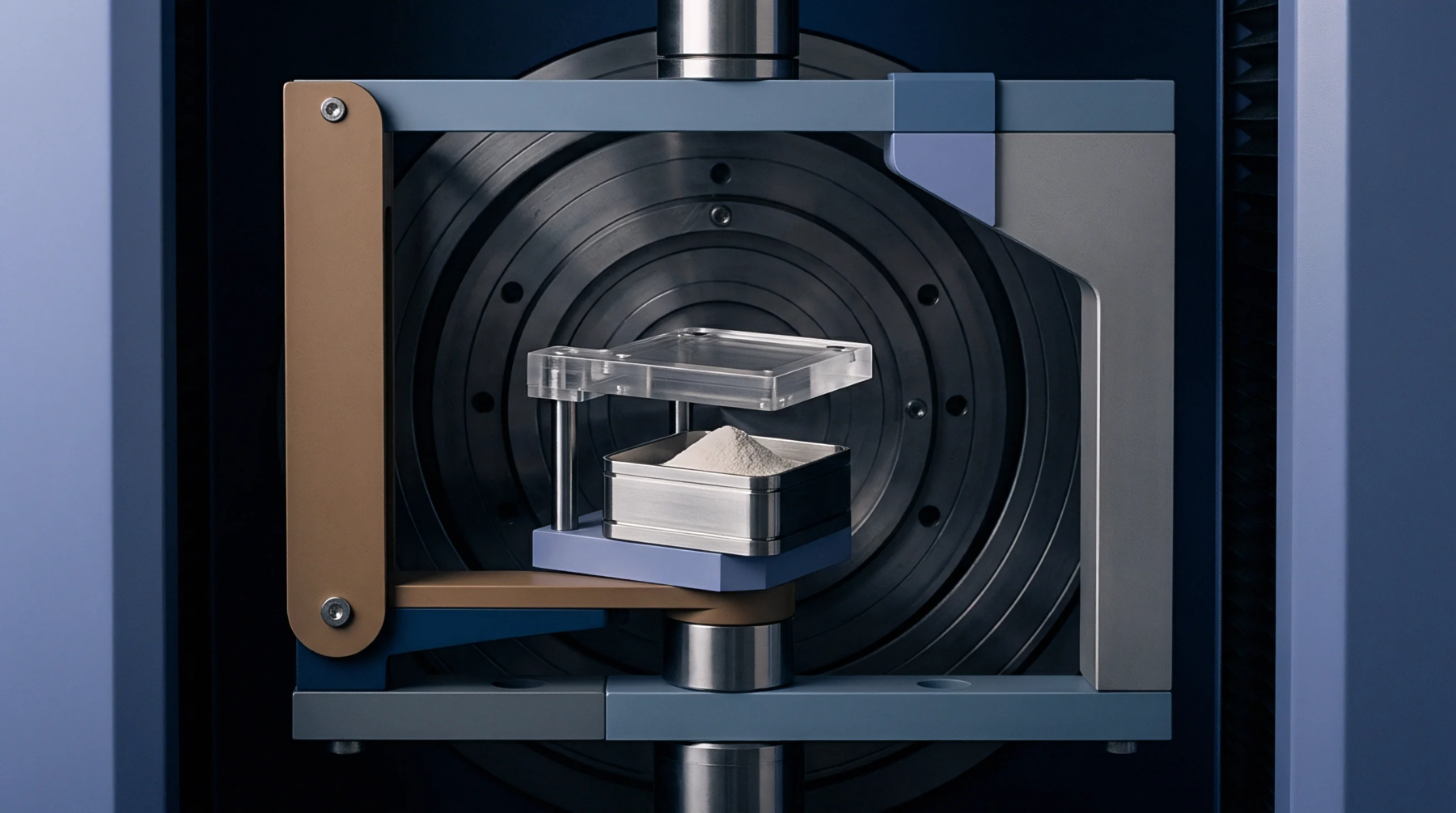
Gravimetric mass reduction measures volatile content and chemically bound water released when a raw mineral filler undergoes controlled heating. Calculating loss on ignition identifies moisture and organic surface treatments that vaporize during high temperature polymer processing. The test applies to natural minerals like talc, kaolin and calcium carbonate, ending where stable synthetic pigments undergo no thermal weight change.
Thermal Loss
High temperatures drive off absorbed water, structural hydroxyl groups and surface coupling agents from mineral samples. Determining loss on ignition requires heating samples to designated temperatures inside calibrated laboratory furnaces. Measuring mass before and after heating quantifies total volatile content present in raw filler shipments.
Moisture Content
Excess volatile content released during compounding generates steam and gas pockets inside polymer melts. High loss on ignition values indicate unconditioned mineral fillers that risk inducing hydrolytic degradation in moisture-sensitive resins like polyamides or polyesters. Pre-drying minerals based on test results prevents moisture-induced molecular weight loss.
Compounding Defect
Uncontrolled volatile release creates splay marks, surface silvering and internal voids in moulded plastic parts. Monitoring loss on ignition ensures incoming mineral fillers meet strict moisture limits prior to extruder feeding. Preventing gas generation improves surface finish and mechanical integrity in filled compounds.