Meaning
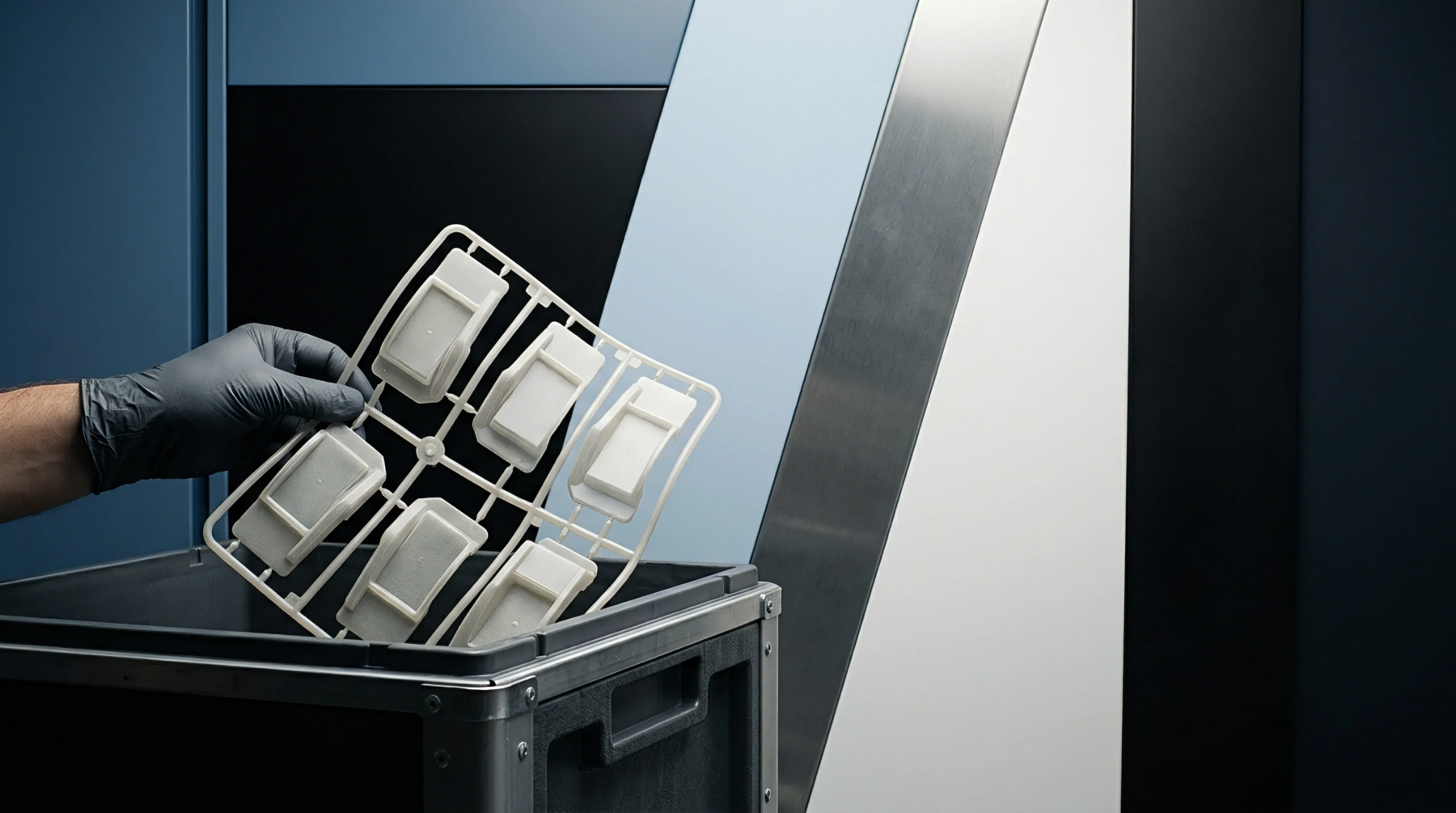
Systematic monitoring procedures verify that moulded plastic parts meet dimensional and aesthetic specifications during high volume manufacturing runs. Effective injection molding quality control involves the continuous measurement of cycle parameters such as injection pressure and melt temperature. These variables are tracked in real time to detect any deviation from the optimized process window.
By catching process drift early, the protocol prevents the production of defective parts and reduces material waste.
Process Variable
Melt pressure and barrel temperatures must remain within tight limits to ensure consistent part weight. Any fluctuation in these conditions can lead to defects like flash or short shots. Sensors in the nozzle and the mold cavity capture these changes instantly, allowing the controller to make automatic adjustments.
Inspection Protocol
Operators or automated vision systems inspect parts at specified intervals to confirm surface quality and dimensions. This protocol includes measuring critical tolerances with calipers and checking for surface blemishes like sink marks or splay. Recording these measurements creates a traceability trail that is vital for medical and aerospace contracts.
Rejection Rate
Minimizing the volume of discarded parts directly improves run economics. A robust monitoring setup ensures that out of spec parts are identified and segregated immediately, reducing the cost of scrap and rework.