Meaning
Quality control procedures evaluate incoming raw polymer shipments to confirm adherence to melt index and moisture specifications prior to barrel loading. Incoming resin lot verification establishes baseline material compliance before virgin or recycled pellets enter production silos. This protocol governs receiving inspection for injection moulding and extrusion operations, stopping at the loading dock or silo intake before thermal processing begins.
Material datasheets report nominal supplier averages, whereas shop-floor verification captures lot-to-lot variance that causes short shots or flash.
Rheological Testing
Laboratory measurement of melt mass-flow rate identifies lot variance in molecular weight distribution before molding starts. Executing incoming resin lot verification on newly arrived railcars prevents out-of-spec resin from entering common storage silos and contaminating virgin inventories. Uncorrected viscosity variations alter cavity filling speed, forcing press operators to adjust packing pressure mid-run.
Moisture Boundaries
Moisture analysis via loss-on-drying or Karl Fischer titration determines dryness limits for hygroscopic resins like polyamide and polycarbonate. Applying incoming resin lot verification at receiving prevents under-dried resin from undergoing hydrolytic degradation inside the injection barrel. Splay defects and reduced mechanical strength occur when wet resin enters hot screws.
Contamination Detection
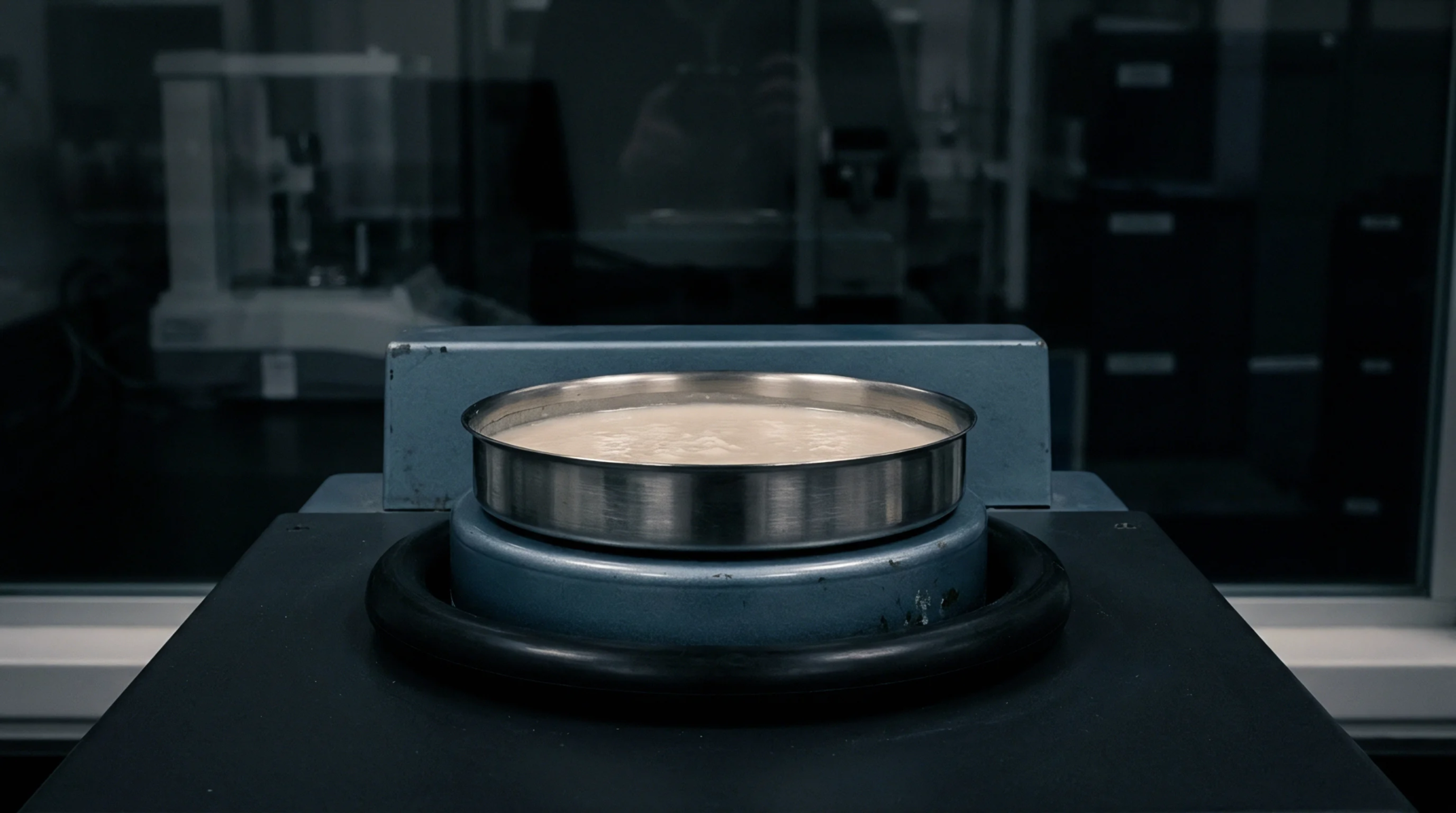
Sieve analysis and pellet colorimetry detect cross-contamination or fines generated during pneumatic transport. Performing incoming resin lot verification isolates off-spec lots before blending, avoiding high scrap rates during final part production. Unfiltered fines burn inside the nozzle, creating black specks and surface blemishes on finished components.