Meaning
A semi-crystalline thermoplastic resin characterized by aromatic units within the polymer backbone that maintain mechanical stiffness at temperatures exceeding two hundred degrees Celsius. High temperature polyarylamide functions as an engineering plastic for components requiring high creep resistance under thermal stress. Its operational limit depends on glass transition temperatures that often exceed the performance range of standard aliphatic polyamides.
Thermal Geometry
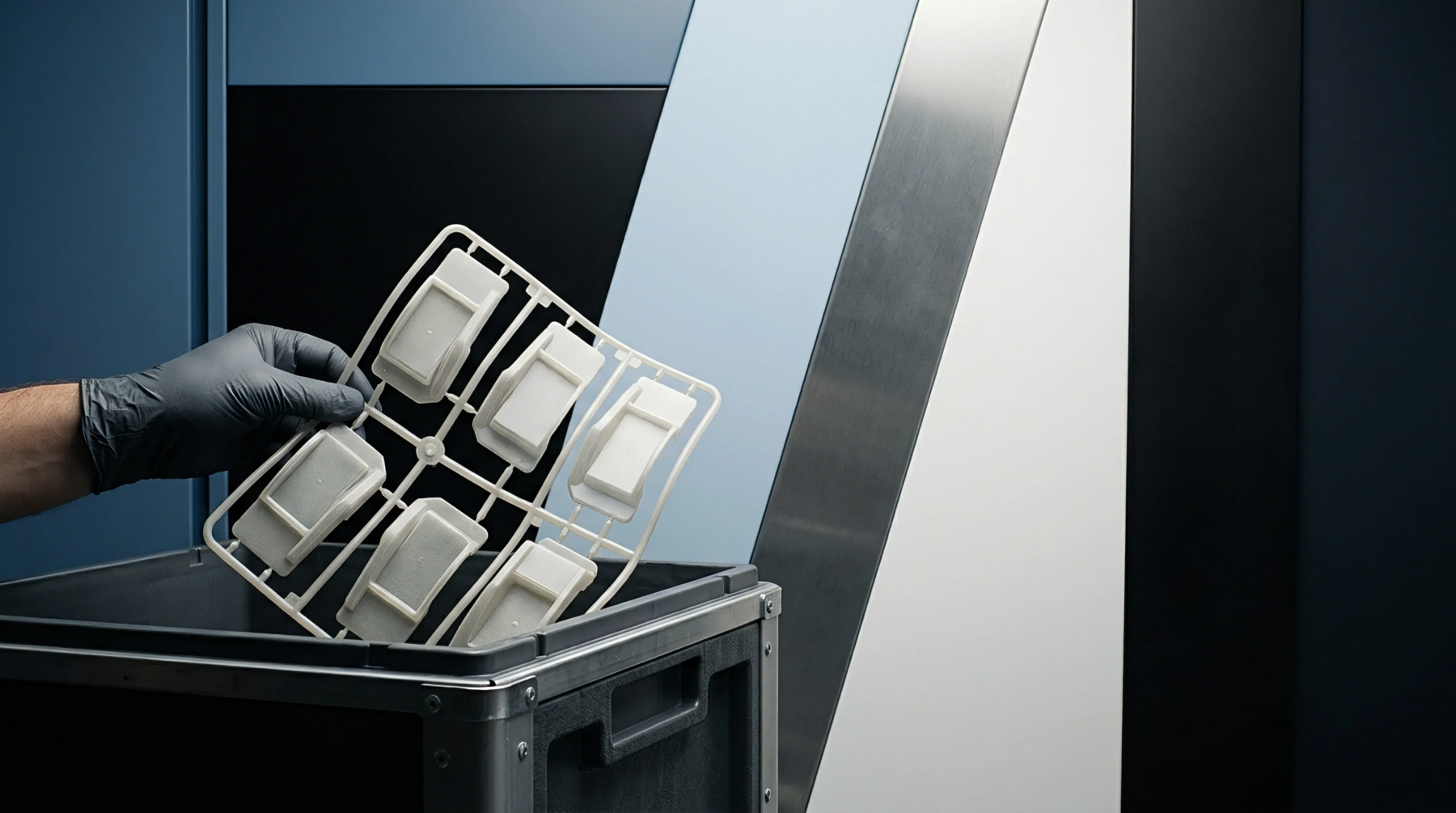
The crystalline morphology of high temperature polyarylamide dictates the dimensional stability of finished injection moulded parts. Injection moulding parameters require high tool surface temperatures to facilitate proper nucleation of the crystalline structure during the cooling cycle. Insufficient mould heating leads to low crystallinity levels which causes premature part deformation when the component later experiences service temperatures.
Rapid quenching results in a secondary crystallisation phase during subsequent use that shifts the physical dimensions of the part and creates internal stress.
Material Economics
Procurement specifications distinguish between virgin resin formulations and batches containing recycled content. Virgin high temperature polyarylamide delivers predictable viscosity and consistent batch to batch mechanical performance required for high tolerance safety components. Regrind material introduces variation in molecular weight that destabilizes the injection pressure required for filling complex tool cavities.
Manufacturers minimize the use of regrind to avoid batch rejection rates that occur when the flow length of the melt changes between production runs.
Processing Limits
Machine operators monitor moisture content with extreme accuracy before introducing pellets into the plasticising unit. Water molecules trigger hydrolytic degradation of the polymer chains at processing temperatures above three hundred degrees Celsius. This chemical breakdown reduces the viscosity of the molten plastic and lowers the tensile strength of the hardened part.
Proper drying protocols remain the singular control for maintaining the physical integrity of the polymer during the conversion phase.