Meaning
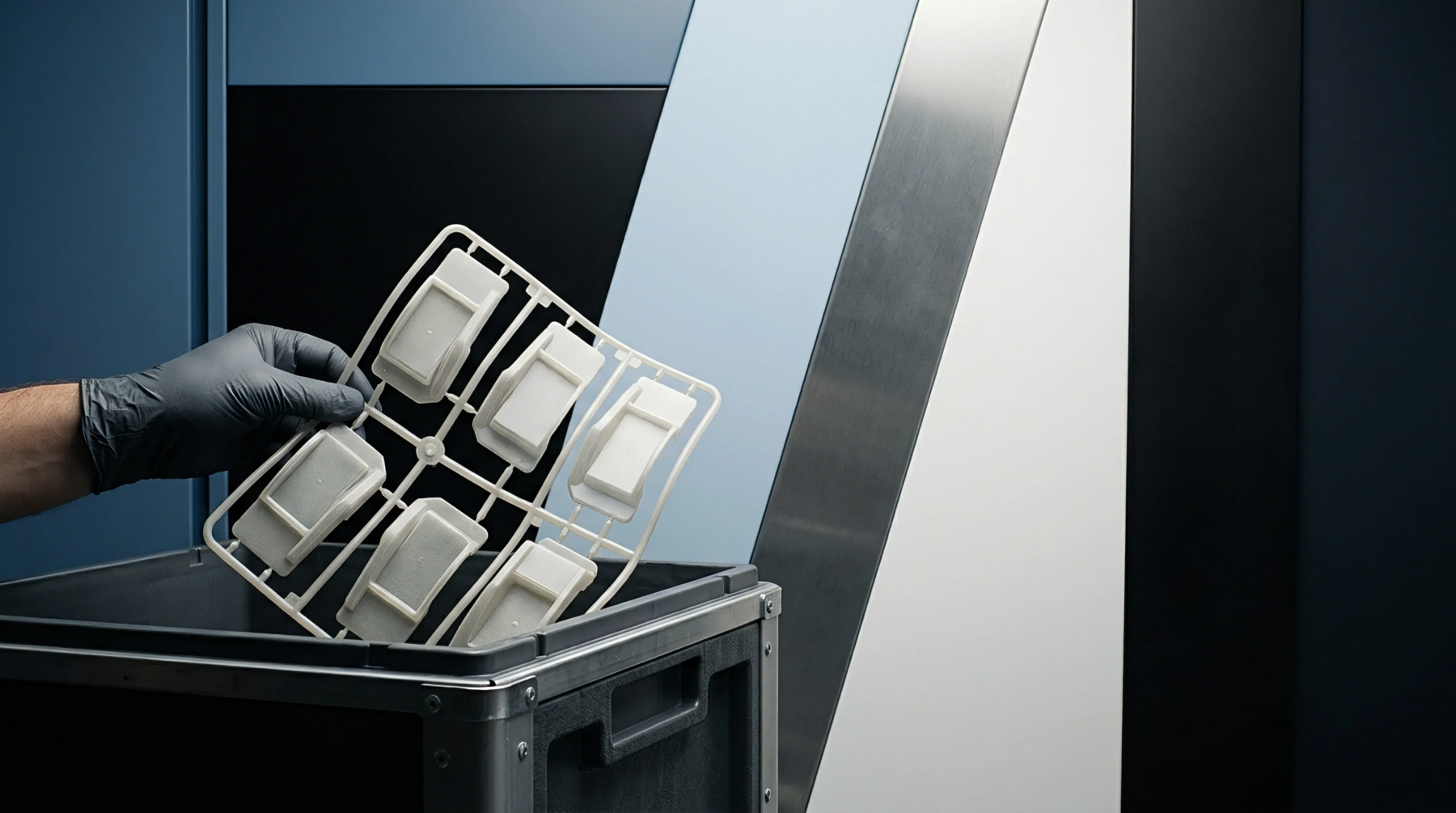
Engineering thermoplastic composites combine a polyester matrix with glass fibres to enhance the structural and thermal performance of moulded components. Adding these fibres to create glass filled polybutylene terephthalate increases tensile strength and heat deflection temperature. This material is widely used in automotive under hood connectors and electrical housings that must endure continuous thermal stress.
Its properties are highly dependent on the fibre length and orientation achieved during the injection molding process.
Thermal Stability
Resistance to elevated temperatures is a primary benefit of this reinforced composite. The glass fibers restrict the movement of the polymer chains, allowing the material to retain its rigidity at temperatures close to its melting point. This thermal resistance prevents the part from warping or collapsing when exposed to sustained operating heat.
Mould Shrinkage
Fiber orientation causes different shrinkage rates along and across the direction of the melt flow. This anisotropic behavior must be compensated for during tool design to avoid severe part warpage. Experienced moulders adjust packing pressure and cooling times to minimize the internal stresses that arise from this uneven shrinking.
Part Performance
High stiffness and dimensional stability make this material suitable for demanding mechanical applications. It replaces metal in many brackets and housings, reducing overall component weight without sacrificing strength.