Meaning
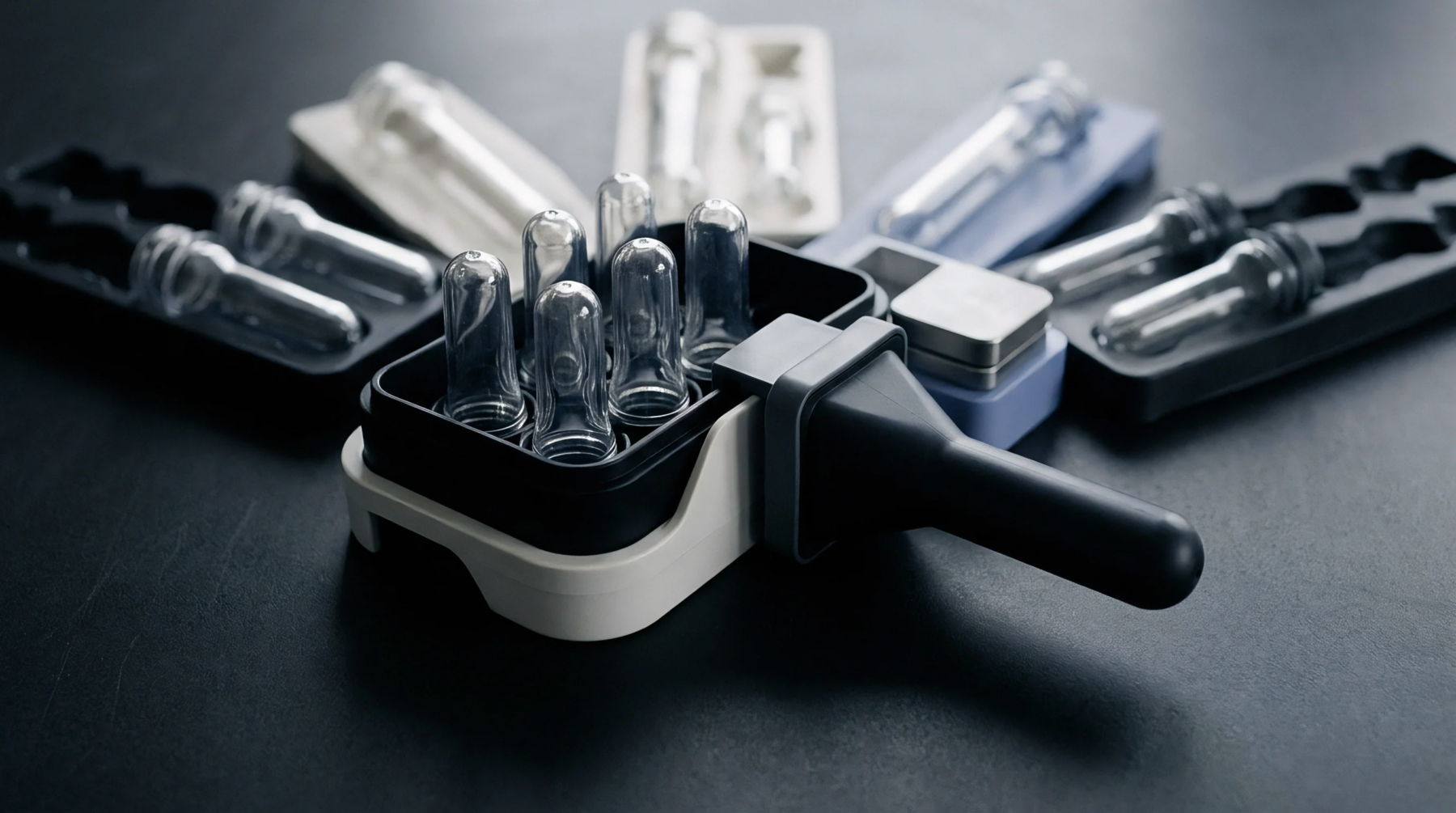
Fixture amortization is the financial allocation of custom holding equipment costs across a projected production volume of moulded polymer components. Injection moulding operations incur high capital expenditures for specialized post-cooling or machining jigs, which must be recovered through unit pricing agreements. This capital distribution prevents initial tooling expenses from distorting short-term component margins.
Calculations depend on expected tool longevity, cycle frequency, and secondary operation rates. The boundary for this financial practice ends once the total capital expenditure matches the cumulative unit deductions agreed upon in commercial supply contracts.
Tooling Recovery
Custom holding equipment requires distinct financial tracking separate from the primary injection mould base. Aluminium or steel holding nests undergo mechanical wear during robotic placement and manual loading phases, necessitating periodic maintenance budgets. Production engineers establish the baseline lifespan by evaluating clamp mechanisms and positioning pins under high-volume cycling.
Component pricing structures absorb these capital outlays incrementally as parts pass through secondary milling stations or ultrasonic welding fixtures.
Resin Shrinkage
Volumetric contraction rates in semi-crystalline thermoplastics directly dictate the mechanical tolerances built into every holding fixture. When polyolefins cool within the mould cavity, post-moulding dimensional variance alters the fit against rigid positioning nests. Toolmakers must compensate for differential shrinkage by adjusting nest geometries before production sign-off.
Neglecting polymer-specific contraction values causes high scrap rates during assembly because moulded parts bind inside tight positioning pockets.
Financial Variance
Unplanned downtime on injection presses disrupts the projected recovery schedule for specialized tooling capital. When cavity output falls short of annual forecasts, the amortized cost per individual part rises unexpectedly. Procurement teams manage this risk by tying recovery periods to guaranteed minimum order quantities rather than open-ended time horizons.
Part specifications dictate whether the amortization fee appears as a distinct line item on commercial invoices or remains embedded in the base resin processing charge.