Meaning
Analytical methods measuring the deformation of a material under oscillatory shear provide details on both the viscous and elastic responses of a polymer melt. Dynamic rheology subjects a sample to sinusoidal strain over a range of frequencies to measure the storage and loss moduli. This technique exposes the molecular architecture of the polymer without destroying the sample or disrupting its structure.
Viscoelastic Behavior
Characterizing a resin under these conditions helps distinguish between materials that have the same melt flow index but process differently.
Testing Configuration
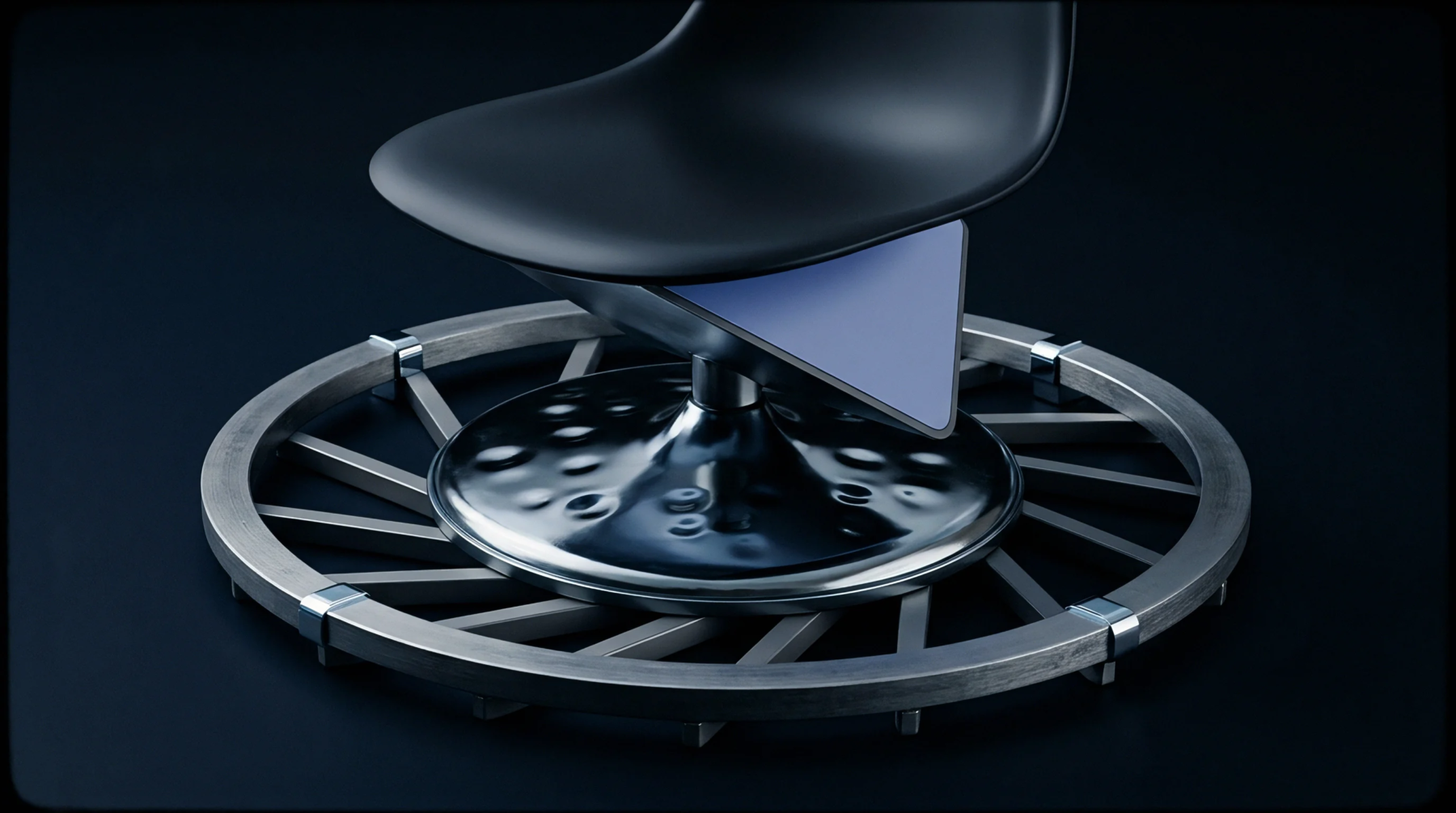
Instruments used for these measurements apply a precise sinusoidal torque to a specimen held between two parallel heated plates. The phase angle and torque are measured to calculate the complex viscosity of the melt. This configuration allows testing at temperatures that match actual molding conditions.
Defect Prevention
Molders rely on these analytical results to prevent surface defects such as melt fracture or sharkskin during high-speed extrusion. If the melt elasticity is too high, the polymer will not relax quickly enough as it exits the die, causing surface irregularities. Adjusting the process temperature or selecting a different batch prevents these scrap-generating defects and ensures that the surface finish of the extruded product meets the required specifications.