Meaning
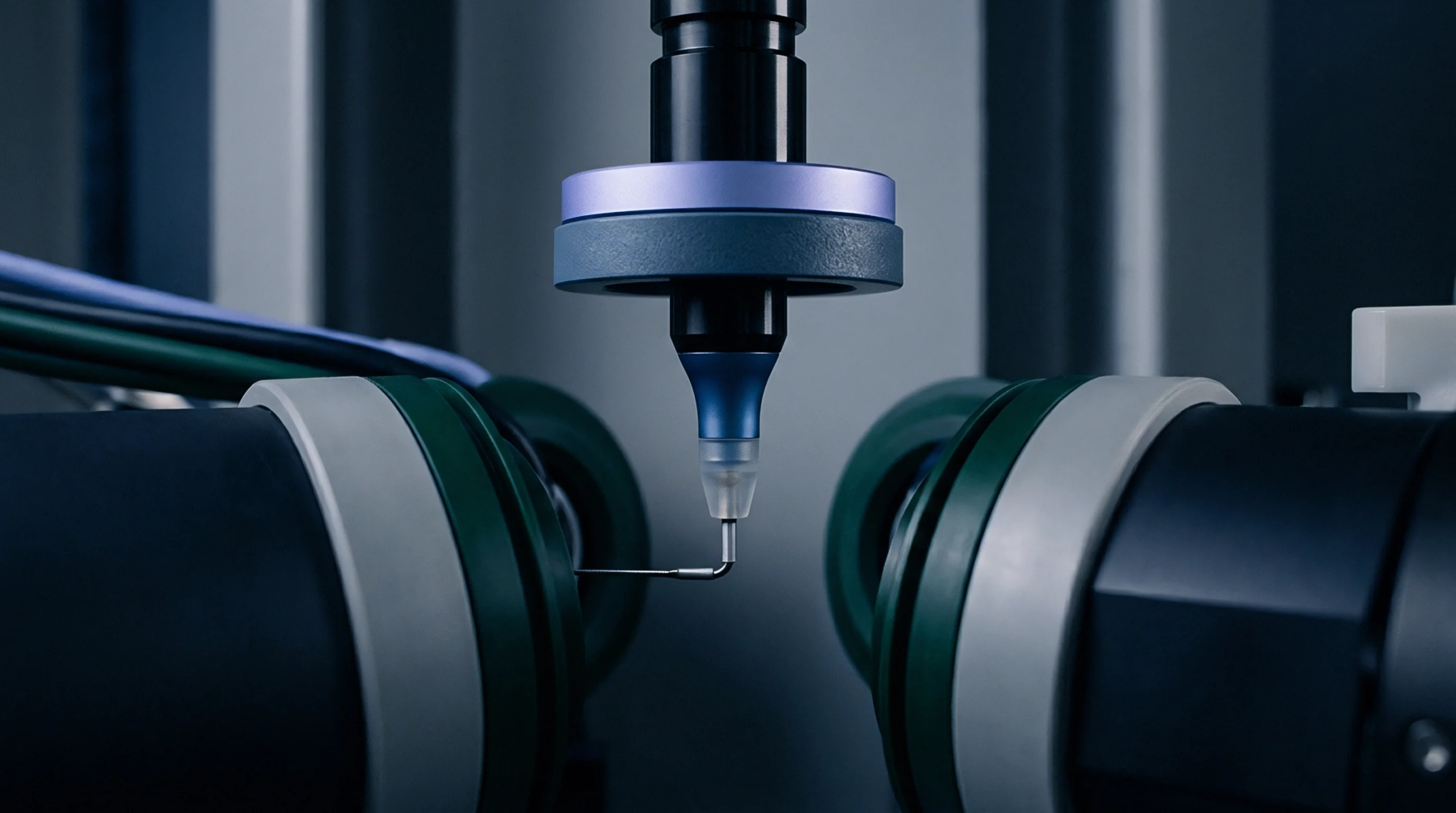
Flush-mounted pressure instrumentation in injection moulding cavities records polymer melt pressure directly through a contact surface. A direct diaphragm sensor measures the force of the molten resin without relying on transmission pins or secondary mechanics. This design prevents polymer freeze-off from blocking the signal during the pack phase.
Moulders rely on this data to maintain part weight and dimensions across long production cycles. The measurement boundary is reached when the polymer solidifies completely.
Signal Fidelity
Accurate process monitoring during the injection cycle requires a sensor that responds instantly to pressure spikes. Using a direct diaphragm sensor ensures that the recorded pressure matches the actual stress in the polymer. This allows the controller to switch from injection to packing precisely at the transition point.
Part flash or short shots are avoided by using these direct signals.
Melt Interaction
Cavity conditions during high-speed moulding create severe thermal and mechanical stresses on the sensing face. Corrosive additives and abrasive glass fibres can wear down the exposed diaphragm over repeated runs. A moulder must select robust coatings for the sensor to extend its working life.
Run stability is thus preserved.
Process Control
Automation systems use cavity pressure curves to route parts. Utilizing a direct diaphragm sensor provides a clean signal that improves cycle accuracy. Scrap rates decrease.