Wall Section Changes That Arrive after the Steel Is Cut
Post-cut wall section increases require steel removal that permanently alters cooling dynamics, cycle time, and dimensional stack-ups.
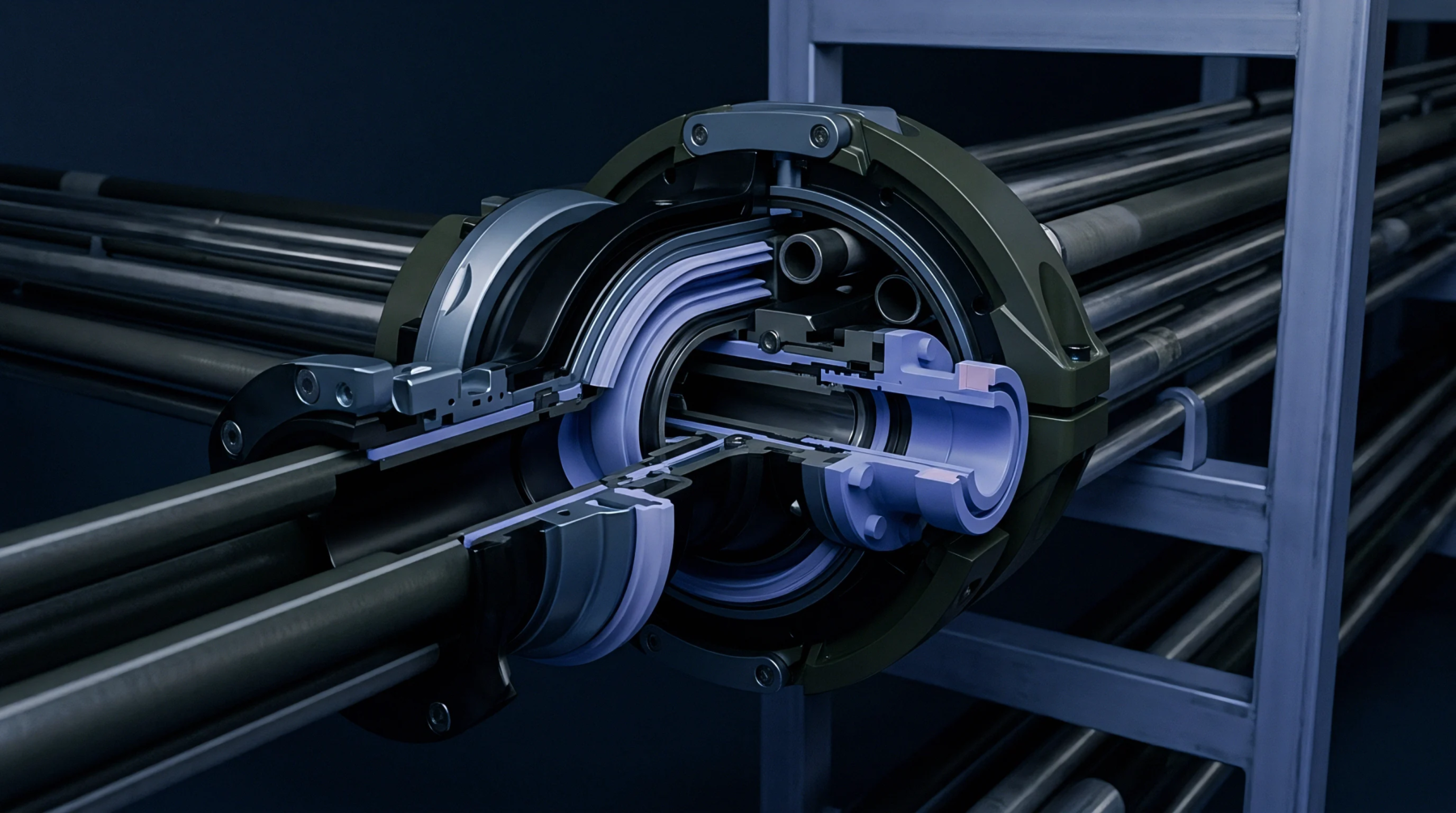
Injection moulding machinery utilizes a secondary mechanical stroke within the mould cavity to allow for the expansion of volume or the creation of space after the initial melt injection phase is complete. This core back molding operation regulates the effective pressure and density of the final part by creating a controlled void that permits the molten polymer to redistribute. It functions as a precise technique for managing material thickness in complex parts where standard packing cycles fail to fill distant geometries.
Control over the movement distance dictates the density gradients that appear in a finished component. Boundaries for this application exist where the melt front freezes before the expansion occurs, preventing the intended relief of internal stress.
Hydraulic or electric actuators drive the internal pins or slides during the transition phase of the cycle. Precise timing of this movement determines whether the polymer flows into the newly created space or simply relaxes against the cavity walls. Small adjustments to the stroke length change the cross sectional density of the part.
Heavy reliance on sensor feedback keeps the stroke repeatable across thousands of cycles. Moulders verify these movements through laser measurement systems that track the pin position relative to the stationary block. Differences emerge when comparing the programmed displacement against the actual material response caused by viscosity shifts.
Variations in the resin grade, such as the introduction of regrind, necessitate changes to the timing window to maintain the final part weight. High speed actuators reduce the risk of flash at the parting line during this sequence.
Virgin resin costs rise when processing windows lack the flexibility to accommodate recycled content without sacrificing structural integrity. This manufacturing method permits the use of lower cost feedstocks by adjusting the expansion parameters to compensate for batch variations in melt flow index. Proper application lowers the scrap rate by eliminating sinks and voids that otherwise force the rejection of parts.
Savings accrue through the reduction of cycle times and the ability to hold tighter tolerances on wall thickness compared to static moulding configurations. Engineers specify the desired mechanical properties on the technical drawing, but the actual part performance depends on the machine capacity to hold the expansion constant. Consistency in this variable prevents the waste associated with non conforming dimensions.
Processing equipment requires integration between the controller and the hydraulic circuit to avoid delay in the response of the moving core. Failure to synchronize the expansion sequence with the solidification rate causes flow lines or surface defects that destroy the cosmetic quality of the piece. Setup personnel calculate the expansion volume based on the projected shrinkage of the specific polymer grade being injected.
Data acquisition logs the pressure spikes that appear when the core retracts into the molten mass. Monitoring these pressure signatures provides a verification of the part quality. Successful execution of this movement allows for the production of parts with variable densities that withstand mechanical loads in industrial applications.
Post-cut wall section increases require steel removal that permanently alters cooling dynamics, cycle time, and dimensional stack-ups.
Expertise is a utility, not a secret. sentiention™ publishes its working knowledge as open reference: intelligence layer covering the materials it sources, the markets it enters, and the reference that serves both.