Meaning
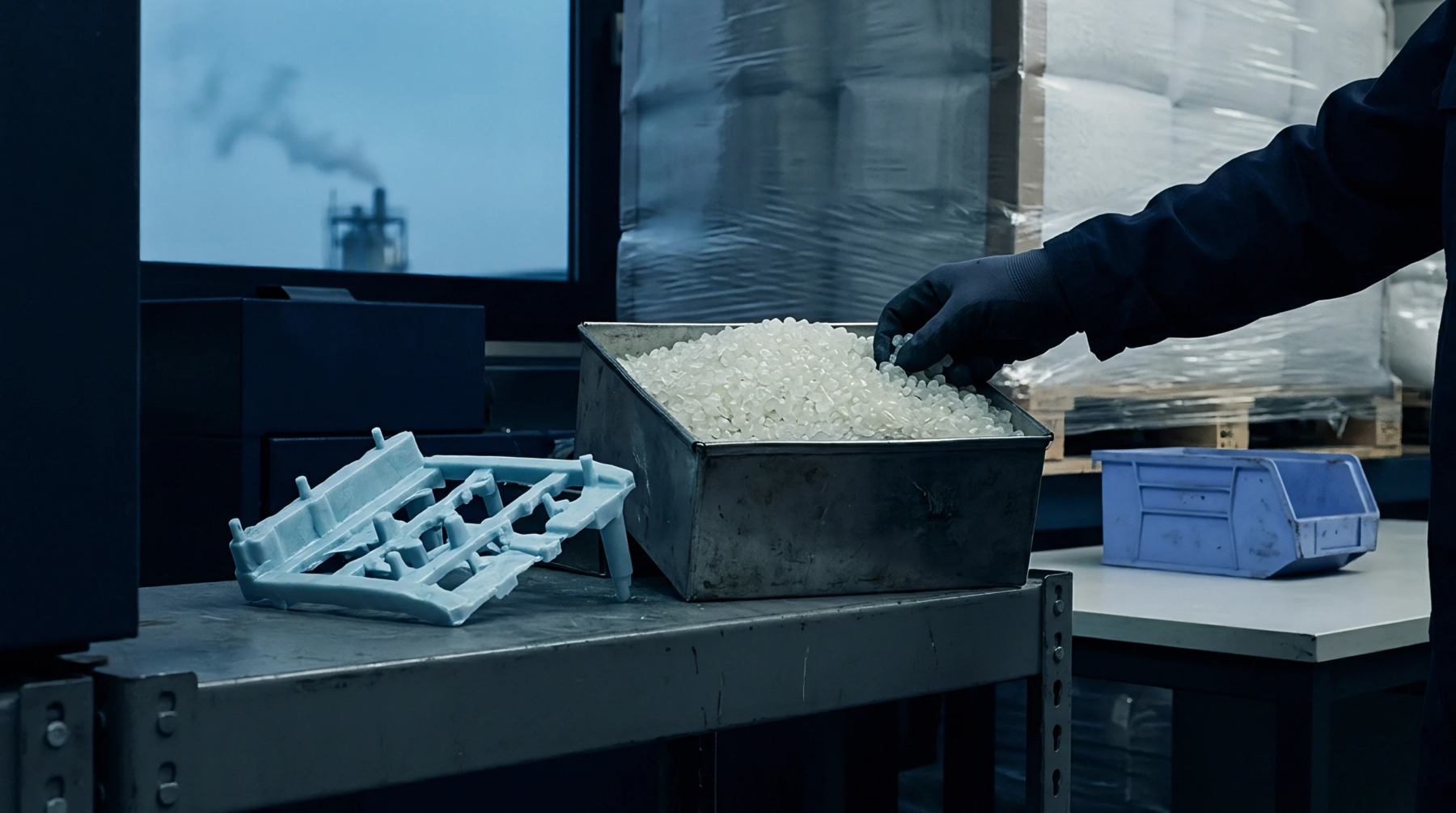
Polymer purification systems designed to filter out contaminants from molten resin operate without interrupting the extrusion process. Recycling and compounding plants use continuous melt filtration to remove paper, foil, and unmelted polymer particles from the plastic flow. This system maintains a continuous flow of clean resin to the pelletizer or molding machine.
It is a vital process for transforming low-grade post-consumer plastic scrap into high-value resins suitable for high-precision injection molding.
Contaminant Separation
Screen changes occur automatically as the filtration medium becomes loaded with trapped debris. In continuous melt filtration, a motorized or hydraulic mechanism shifts a fresh screen into the melt stream while the dirty screen is removed. This eliminates the need to shut down the extruder to change screens, saving time and labor.
Screen Operation
Melt quality is maintained by preventing contaminated polymer from reaching the die or mold gates. Implementing continuous melt filtration protects downstream molding equipment from damage and ensures the finished plastic parts are free of structural defects. This is particularly important when processing post-consumer recycled resins that contain high levels of impurities.
Pressure Stability
Pressure spikes are avoided because the filtration surface area is managed dynamically to keep melt resistance constant. This constant pressure prevents flow instability and thickness variations in extruded products. Maintaining a stable head pressure also reduces wear on the extruder screw and drive system.