Analytical Migration Testing Parameters across Variable Food Simulant Matrices
Analytical migration parameters depend on simulant polarity, exposure duration, thermal control, and chromatographic screening against specific migration limits.
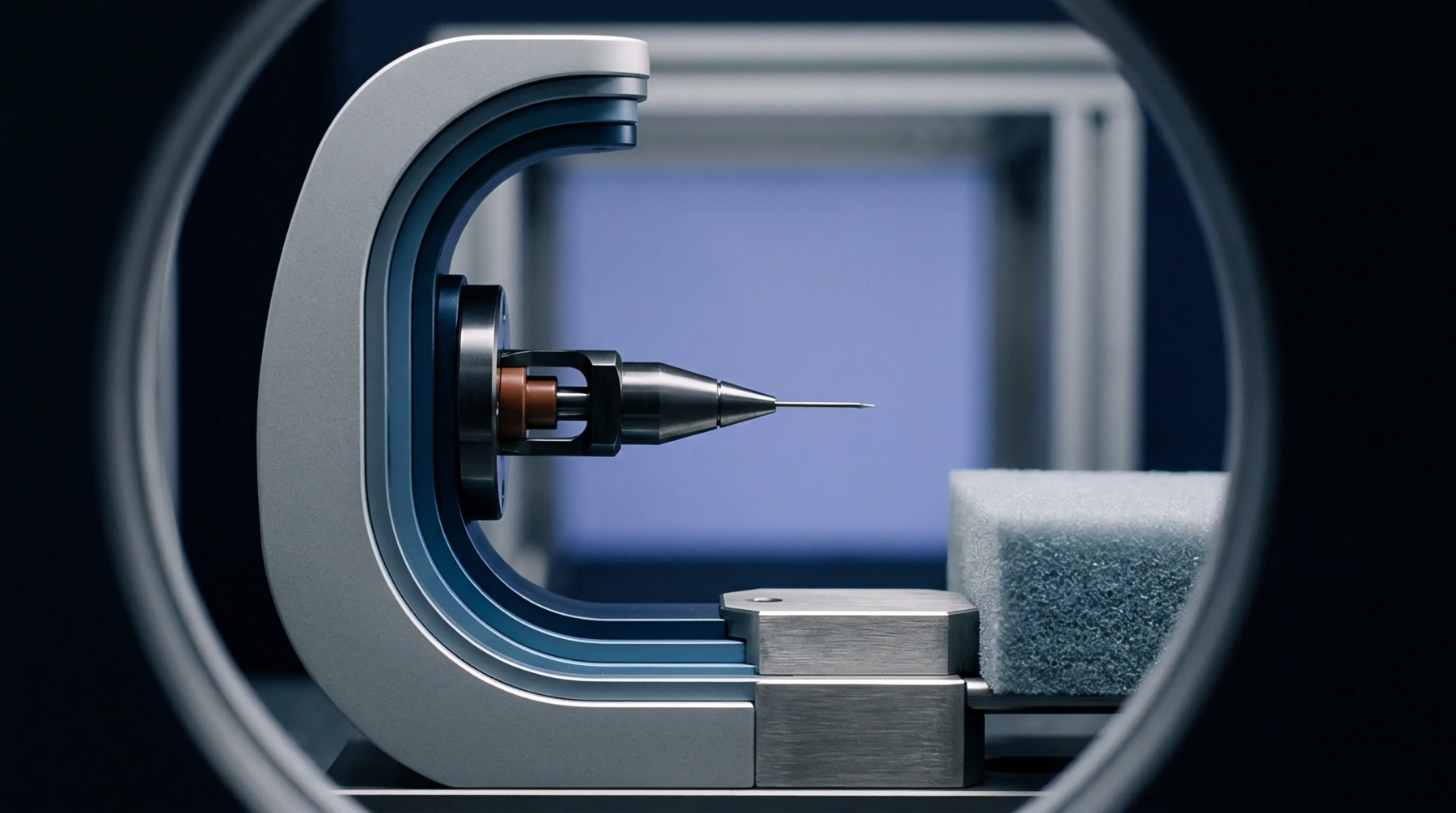
Laboratory protocols for migration analysis utilise specialised containment hardware to isolate one side of a polymer sample from a liquid simulant during high temperature exposure periods. Scientists employ cell immersion testing to verify that components intended for food contact or pharmaceutical storage meet strictly defined legal limits for chemical transfer. This specific technique restricts contact to a single surface area, preventing simulant penetration into the cut edges of a specimen where bulk migration might artificially inflate results.
The configuration provides a highly accurate reflection of how a finished container or liner interacts with its contents throughout its service life. Standardisation of this method ensures that data from different production batches or geographical locations can be directly compared against regulatory requirements.
The mechanical design of the exposure chamber forces a tight seal between the plastic sample and the simulant reservoir using high quality gaskets. Because cell immersion testing limits simulant contact to one predefined area, the migration rate represents the reality of the packaged contents rather than an abstract average of the material mass. Heating elements maintain the specified temperature, while the cell maintains pressure to prevent simulant loss through evaporation during long term trials.
A moulder uses these results to confirm that the internal side of a part remains within safety limits even if the outer resin contains higher levels of volatile components. Testing typically involves filling the central chamber with oil, water, or acidic stimulants then holding it for several days. This controlled environment isolates the diffusion process from external contamination that would skew sensitive gravimetric readings.
Resin suppliers rely on these measured transfer values to calculate the specific migration of restricted monomers such as styrene or formaldehyde. While cell immersion testing provides surface specific data, global immersion might expose the core of the plastic which yields unreliable results for multilayer structures. The process proves vital when evaluating the barrier effectiveness of a primary skin layer over a core of recycled regrind.
If migration levels exceed the threshold, engineers might adjust the thickness of the functional barrier or the formulation of the surface resin. Consistent readings provide the necessary evidence for food contact declarations that satisfy international trade standards. Quantitative results from the cell allow technicians to track how changes in moulding parameters like melt temperature alter the crystallinity and subsequent porosity of the sample.
Ensuring a leak proof boundary remains the most significant technical task because minor Simulant loss during high heat cycles results in massive errors in gravimetric totals. Once cell immersion testing concludes, the liquid is collected and carefully reduced to a residue to measure non volatile leachable matter. The technician must observe the gasket interface to ensure no Simulant has bypassed the seal into the rear of the sample.
Failure to maintain this single side interface ruins the validity of the surface to volume calculation used for final certification. Correct assembly of the migration cell guarantees that the reported values reflect the actual chemical exposure profile of the end product. Data derived from this method supports the technical file required for safety submissions to national health authorities.
Analytical migration parameters depend on simulant polarity, exposure duration, thermal control, and chromatographic screening against specific migration limits.
Expertise is a utility, not a secret. sentiention™ publishes its working knowledge as open reference: intelligence layer covering the materials it sources, the markets it enters, and the reference that serves both.