Meaning
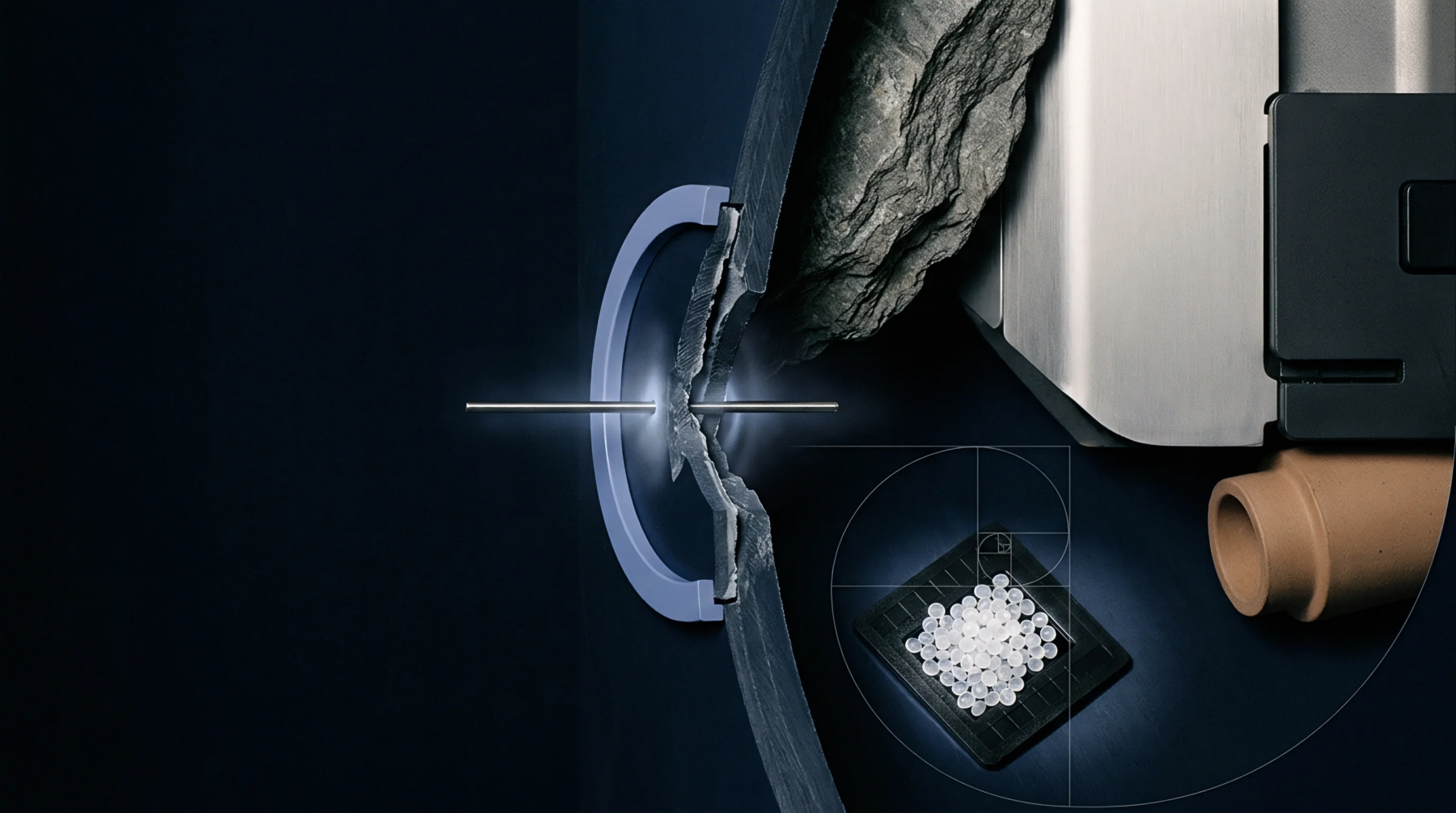
Pressure sensors embedded within a tool cavity measure the direct force exerted by a polymer melt during the injection and packing phases. A cavity transducer provides real-time data on the transition from flow to compression, allowing a molder to identify the exact moment of gate freeze. This measurement is independent of hydraulic pressure readings at the machine cylinder.
While machine-side sensors capture the effort required to push the screw, the internal sensor records what the material actually experiences. This distinction allows for the isolation of viscosity shifts caused by variations in virgin or regrind ratios.
Placement Logic
Location determines the utility of the resulting data for quality control or machine adjustment. Positioning a cavity transducer near the gate captures the peak pressure and the initiation of the packing stage. When placed at the end of the fill, the device monitors the completion of the cavity volume and detects short shots or flash.
Multi-cavity tools often require balanced placement to ensure every part meets the same dimensional specification.
Signal Integrity
Reliability depends on the mechanical isolation of the sensing tip from the surrounding steel. High temperatures or residue buildup can cause signal drift or mechanical binding. Regular maintenance ensures the pin or diaphragm moves freely against the melt.
Process Feedback
Real-time monitoring allows the injection molding machine to switch from velocity control to pressure control based on actual cavity conditions. This closed-loop response compensates for fluctuations in melt temperature or ambient cooling. Consistent peak pressure correlates directly with part weight and shrinkage.