Meaning
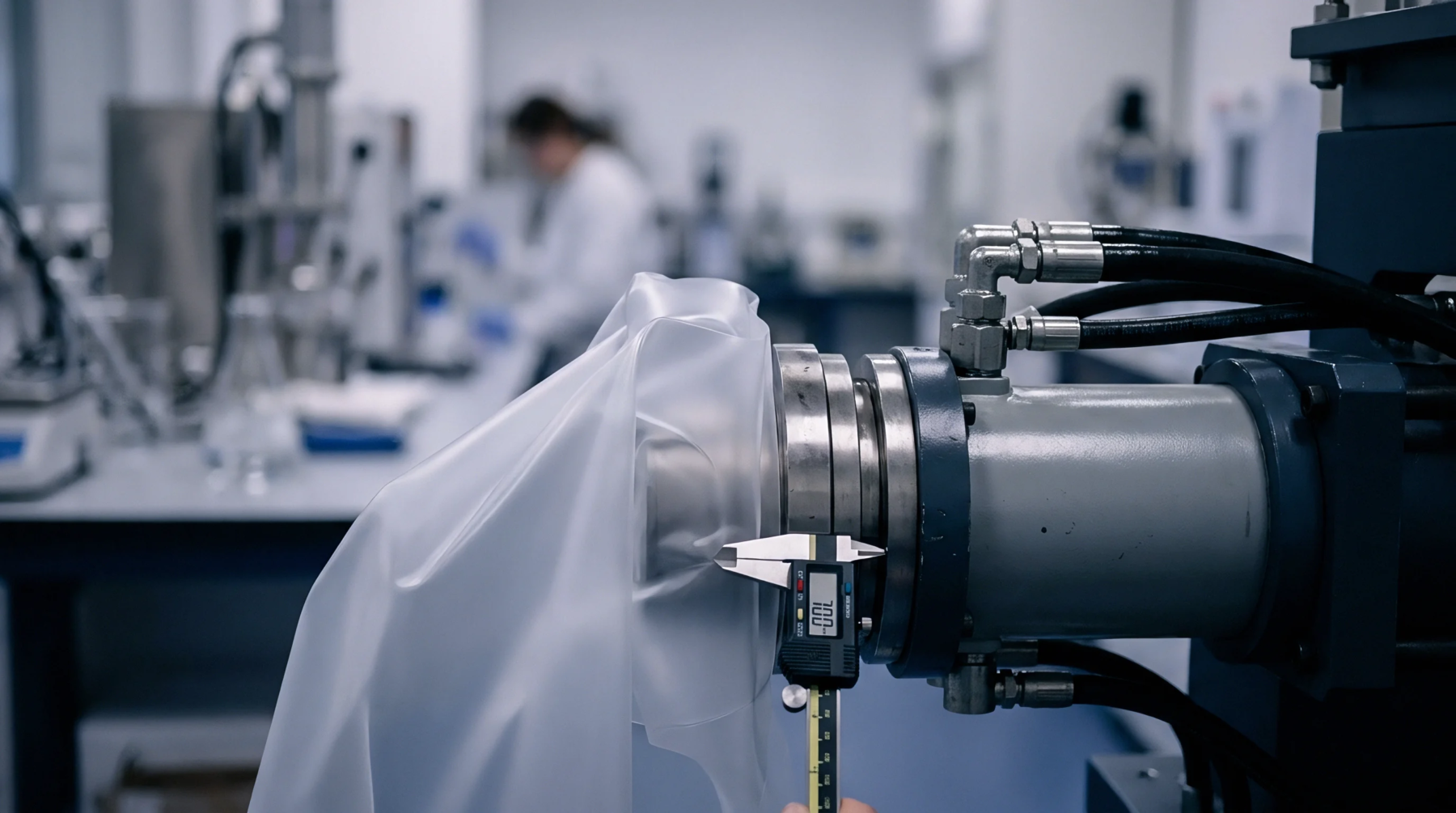
Temporal calculation measures the total duration a resin remains subject to thermal energy inside the heating cylinder of a molding machine. This value determines the heat history of the material and directly dictates the extent of molecular breakdown before the polymer enters the tool cavity. Excessive time leads to discoloration and loss of physical properties in engineering plastics.
Heat History
Molecular chains shorten when exposed to sustained temperatures near their melting point for extended intervals. While barrel residence time allows for uniform thermal soaking, exceeding the safety margin triggers chemical transformations that ruin part aesthetics. Processors manage this variable by matching screw volume to shot weight.
Degradation Risk
Low shot volumes relative to total barrel capacity result in high dwell durations that destroy thermal sensitive resins. If the inventory of plastic stays stagnant for more than three injection sequences, additive packages like stabilizers or lubricants begin to fail. Moulders use purging agents to clear out these stagnated melts during pauses in production.
Corrective settings involve increasing machine usage rates to cycle material through the system faster.
Melt Quality
Homogeneity across the shot improves when enough time passes to eliminate thermal gradients between the screw root and the barrel wall. Too little time results in unmelted granules appearing in the gate. Balancing throughput speed ensures the resin reaches equilibrium without crossing into thermal decay.