Identifying Tariff Headings for Polymer Masterbatch Import Compliance
Polymer masterbatch tariff classification hinges on carrier resin mass fraction and additive function under HS Chapter 39 versus Chapter 32 legal notes.

Taxonomy
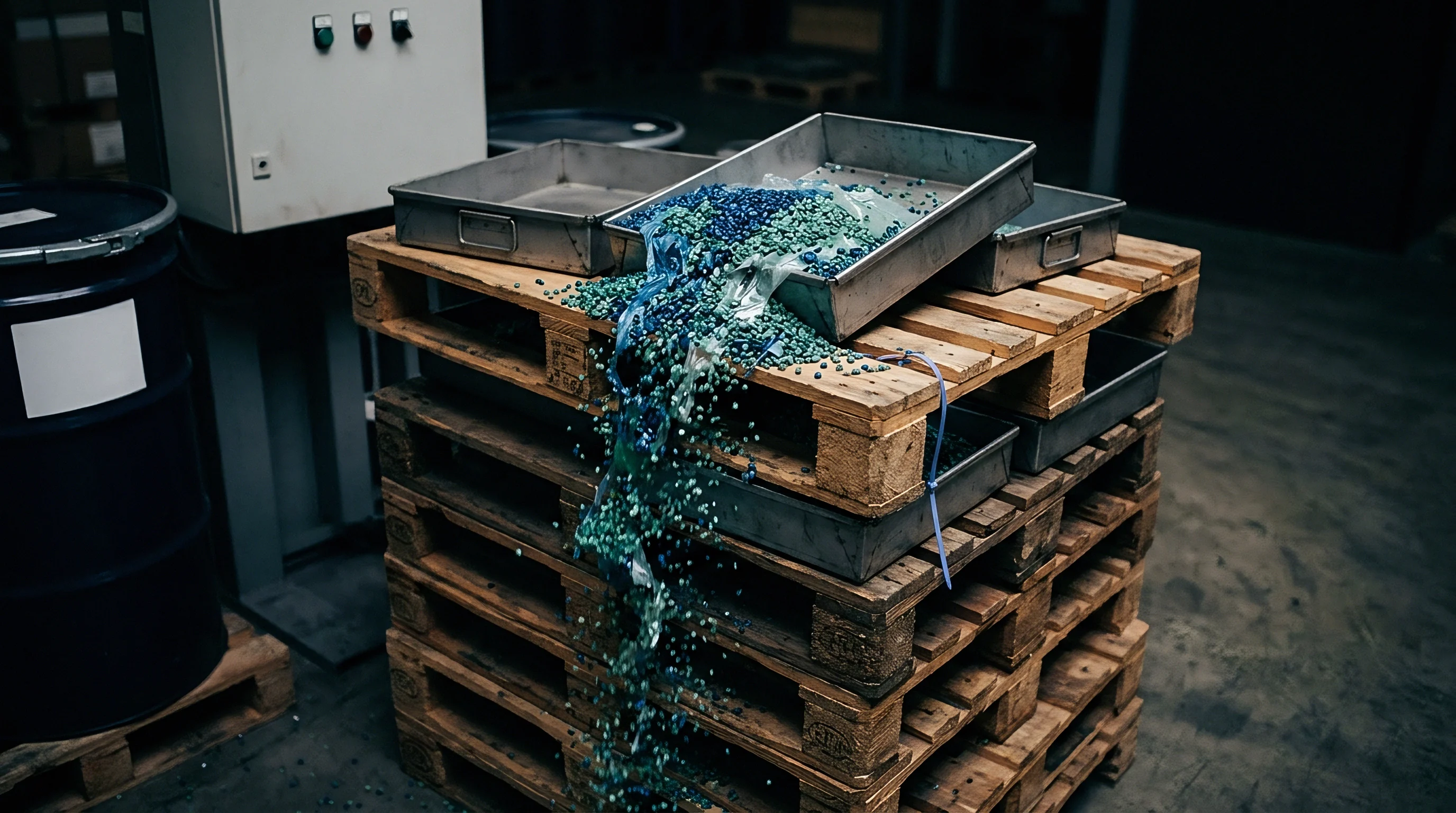
Harmonized System nomenclature assigns polymer masterbatches to distinct tariff lines based on carrier resin proportion, active additive concentration, and chemical function. Customs officers evaluate imported masterbatch pellets by examining whether the polymer matrix acts merely as a transport medium or constitutes the principal character of the shipment. Importers declaring masterbatch shipments under general primary resin classifications frequently encounter tariff disputes when customs laboratories determine that active pigment or additive loadings alter the fundamental character of the product.

Classification Principles under Chapter 39 and Chapter 32
International trade rules under Chapter 39 encompass synthetic polymers, copolymers, and polymer-based preparations in primary forms such as pellets, granules, and powders. Polyethylene masterbatches containing modest filler levels typically enter under Heading 3901, while polypropylene-based concentrates land under Heading 3902. However, Note 3 to Chapter 39 explicitly limits the scope of primary forms when organic or inorganic color pigments dominate the chemical matrix.
When a masterbatch contains concentrated coloring preparations designed to impart color to plastic articles rather than serve as structural polymer, classification shifts from Chapter 39 to Chapter 32, specifically Headings 3204 or 3206.
Titanium dioxide masterbatches containing sixty percent inorganic pigment by weight face immediate scrutiny under Heading 3206. Duty rates diverge sharply.
Determining the essential character under General Rule of Interpretation 3(b) requires evaluating whether the carrier resin acts purely as a processing aid for pigment delivery. If the carrier polymer represents a minor weight fraction compared to inorganic colorants or functional chemicals, customs authorities reject base resin entries. Conversely, masterbatches where the polyolefin matrix exceeds seventy percent of total mass remain defensible under Chapter 39 primary form headings, provided the active additives do not trigger specific chemical compound headings in Chapter 38.

Carrier Resin Thresholds and Primary Form Definitions
Polymer carrier volume dictates whether a masterbatch qualifies as a modified plastic resin or a prepared chemical pigment concentrate. Compounding halls often produce high-density color concentrates using low molecular weight polyolefin carriers to maximize active constituent dispersion. When the carrier polymer mass fraction drops below thirty percent, customs authorities treat the compound as a chemical preparation.
In contrast, filler masterbatches containing seventy percent calcium carbonate suspended in a linear low-density polyethylene carrier create classification conflicts between primary polymer headings and chemical mixture codes under Heading 3824.
Carrier resin governs classification.
| Masterbatch Category | Active Constituent Loading | Dominant Carrier Polymer | Primary HTS Heading | Alternative HTS Heading | Standard Duty Differential |
|---|---|---|---|---|---|
| Titanium Dioxide White | 50% to 75% TiO2 | LLDPE / LDPE | 3206.11 | 3901.10 | 2.2% to 6.5% |
| Carbon Black Concentrate | 30% to 50% Carbon Black | HDPE / PP | 3206.49 | 3901.20 | 1.8% to 5.5% |
| Calcium Carbonate Filler | 60% to 80% CaCO3 | Homo-PP / LLDPE | 3901.90 | 3824.99 | 0.0% to 6.5% |
| Hindered Amine Light Stabilizer | 10% to 20% HALS | Polypropylene | 3902.10 | 3812.39 | 3.1% to 6.5% |
| Organophosphite Antioxidant | 15% to 25% Phosphite | Linear Low-Density PE | 3901.10 | 3812.39 | 1.5% to 6.5% |
- CARRIER MATRIX DILUTION Customs inspectors reject primary form polyolefin classifications when carrier resin mass fractions drop below thirty percent of total batch weight.
- PIGMENT DISPERSAL FUNCTION Formulations engineered strictly for optical coloration shift directly to Chapter 32 regardless of pellet appearance.
- CHEMICAL ADDITIVE DOMINANCE Concentrated antioxidants, flame retardants, and UV absorbers exceeding twenty percent mass fraction trigger reclassification to chemical preparation headings.
- INORGANIC FILLER MASS Heavy calcium carbonate loadings classified incorrectly under pure resin codes attract retroactive duty assessments following port lab pyrolysis.
Miscalculating tariff lines at entry results in retroactive duty payments, interest penalties, and mandatory detention of future container shipments by port authorities.

Crate
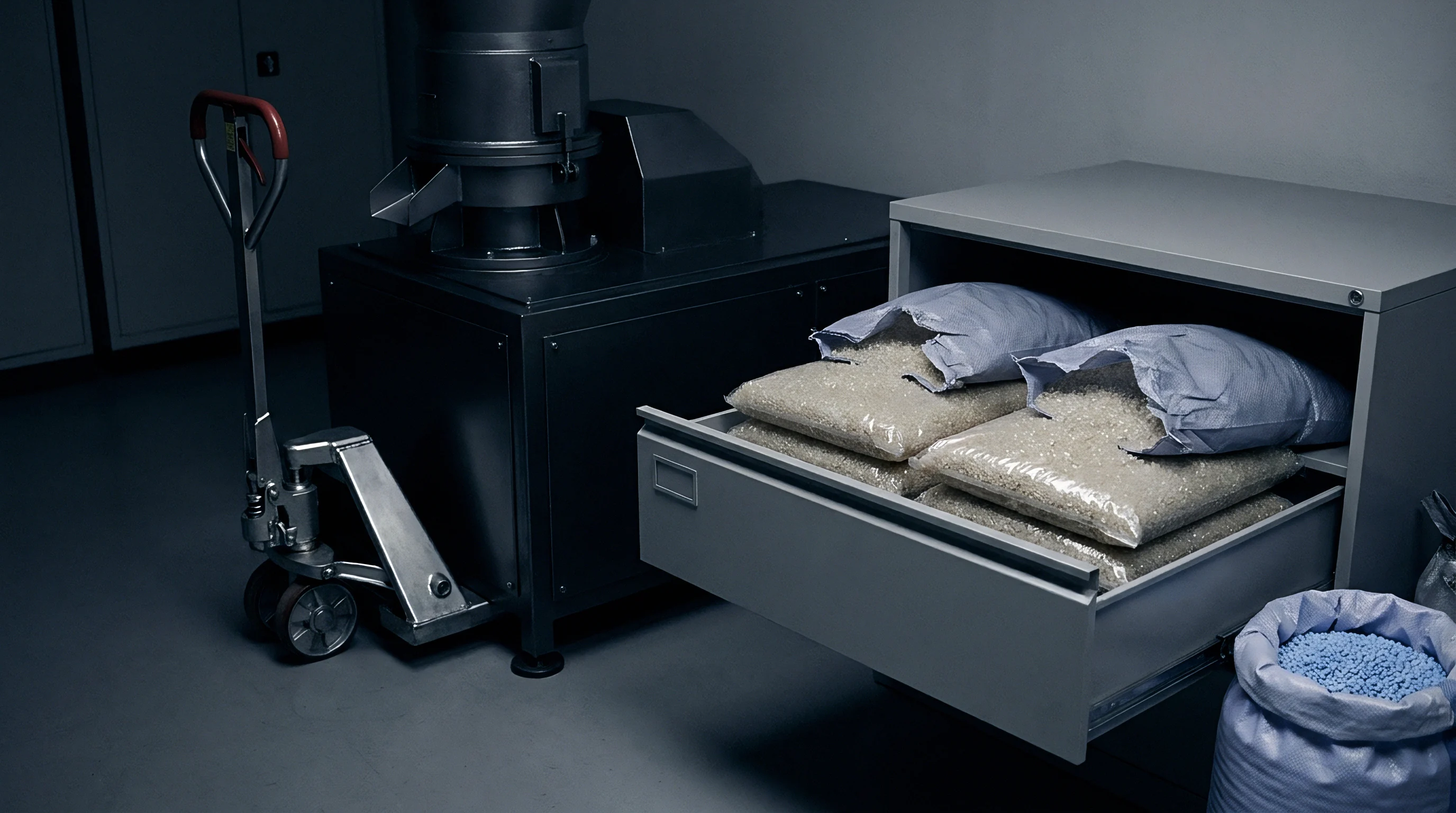
Physical packaging, pellet morphology, and container documentation form the immediate evidence evaluated by border officials during port inspections. Bulk shipments arriving in sealed ocean containers undergo physical sampling where pellet size, color distribution, and moisture-proof foil liners are checked against cargo manifests. Inconsistent pellet geometries or unlabelled packaging raise immediate red flags during physical customs audits.

Physical Pellet Characteristics across Commercial Formulations
Compounded masterbatches arrive in cylindrical, spherical, or micro-pellet formats designed for downstream let-down in injection molding and extrusion machines. Color masterbatches incorporate organic pigments such as phthalocyanine blue or quinacridone red tightly bound inside a polyolefin matrix. White masterbatches contain dense loadings of rutile titanium dioxide, yielding high specific gravity pellets that settle rapidly during bulk density checks.
Black masterbatches utilize furnace carbon black grades, resulting in dark, opaque granules that obscure carrier identification during visual inspection.
Polymer matrix holds pigment.
Titanium dioxide raises ash.
Calcium carbonate filler masterbatches carrying seventy percent inorganic loading by weight in a linear low-density polyethylene carrier yield an ash content of sixty-nine point five percent when pyrolyzed at six hundred degrees Celsius under ISO 3451-1.
Functional additive masterbatches carry slip agents, anti-block silica, hindered amine light stabilizers, or organophosphite antioxidants. Physical pellet appearance mirrors standard virgin polymer resins, creating significant administrative temptation to declare shipments under general base polymer headings. Port inspectors collect random core samples from corrugated octabins or twenty-five kilogram paper-foil bags to identify moisture content and filler uniformity before granting release.

Customs Inspection Hazards for Pigment and Filler Concentrate Imports
Discrepancies between physical container contents and declared tariff descriptions prompt border officers to issue detention notices. When an import declaration lists low-density polyethylene pellets under Heading 3901.10, but physical inspection reveals heavy, dark grey pellets with a specific gravity exceeding one point four, customs officers divert the lot to an analytical testing facility. Moisture absorption in unsealed bags leads to pellet surface blooming, which inspectors frequently misinterpret as active chemical exudation or unauthorized additive leaching.
Importers sign tariff declarations.
Overseas compounding mills often maintain that masterbatches ship under base polymer tariff codes simply because the let-down pellets pass through standard extruders without prior melt filtering.


Analysis
Substantiating tariff classifications requires quantitative laboratory testing to determine the precise ratio of organic polymer carrier to active inorganic constituents. Importers present technical data sheets, but customs enforcement laboratories run independent testing streams to verify product composition. Precise melt flow measurement, spectroscopic identification, and thermal decomposition yield unequivocal chemical data that overrides commercial invoice claims.
Do Additive Concentrations Exceed Primary Form Limits?
Chemical concentration thresholds establish the division between base polyolefins and specialized additive preparations. When carbon black concentration exceeds thirty percent or organic pigment loading crosses twenty-five percent by mass, customs laboratories reclassify the shipment under Chapter 32 color preparations. The analytical lab isolates the polymer carrier from active constituents using solvent extraction and thermal degradation techniques.
Ash residue remains constant.
Melt flow dictates dispersion.
Customs declarations omitting the carrier polymer melt flow index measured under ISO 1133 at two point sixteen kilograms automatically trigger mandatory laboratory detention under European Union Customs Code Article 139.
Thermogravimetric analysis measures exact mass loss steps as temperature increases under nitrogen and oxygen atmospheres. Calcium carbonate filler content registers as ash residue between six hundred and eight hundred degrees Celsius, while carbon black combusts completely under air exposure above four hundred and fifty degrees Celsius. The remaining ash fraction defines whether the product operates as a structural resin compound or a concentrated filler masterbatch.
Laboratory Methods for Carrier Identification and Inorganic Mass Fractions
Standardized test methods resolve disputes regarding carrier resin identity and inorganic filler load. Differential scanning calorimetry traces melting endotherms to differentiate linear low-density polyethylene from polypropylene homopolymer matrices. Fourier-transform infrared spectroscopy verifies the chemical structure of organic additives and functional waxes present in the compound.
Solvent extraction separates resin.
- Sample eight randomly selected bags from the container lot and obtain representative pellet specimens weighing fifty grams each.
- Perform thermogravimetric testing under nitrogen flow up to six hundred degrees Celsius to record inorganic filler mass fraction.
- Expose the sample residue to air atmosphere at nine hundred degrees Celsius to combust carbon black and measure inert mineral content.
- Run differential scanning calorimetry from zero to two hundred degrees Celsius at ten degrees per minute to record carrier melting peak.
- Extract organic additives using hot xylene solvent extraction to isolate active stabilizer components from the polyolefin matrix.
Supply contracts incorporating International Commercial Terms Clause E-Four mandate that the seller provide certified thermogravimetric test certificates prior to customs vessel loading.


Arithmetic
Duty rate differentials between tariff headings alter landed cost structure and alter gross margins on imported polymer compounds. Importers calculating customs duties based solely on base resin rates face severe financial adjustment when border authorities enforce higher chemical preparation rates. Misclassifying an entry alters not only baseline duty payments but also exposes the importer to anti-dumping duty orders targeting specific chemical additives.
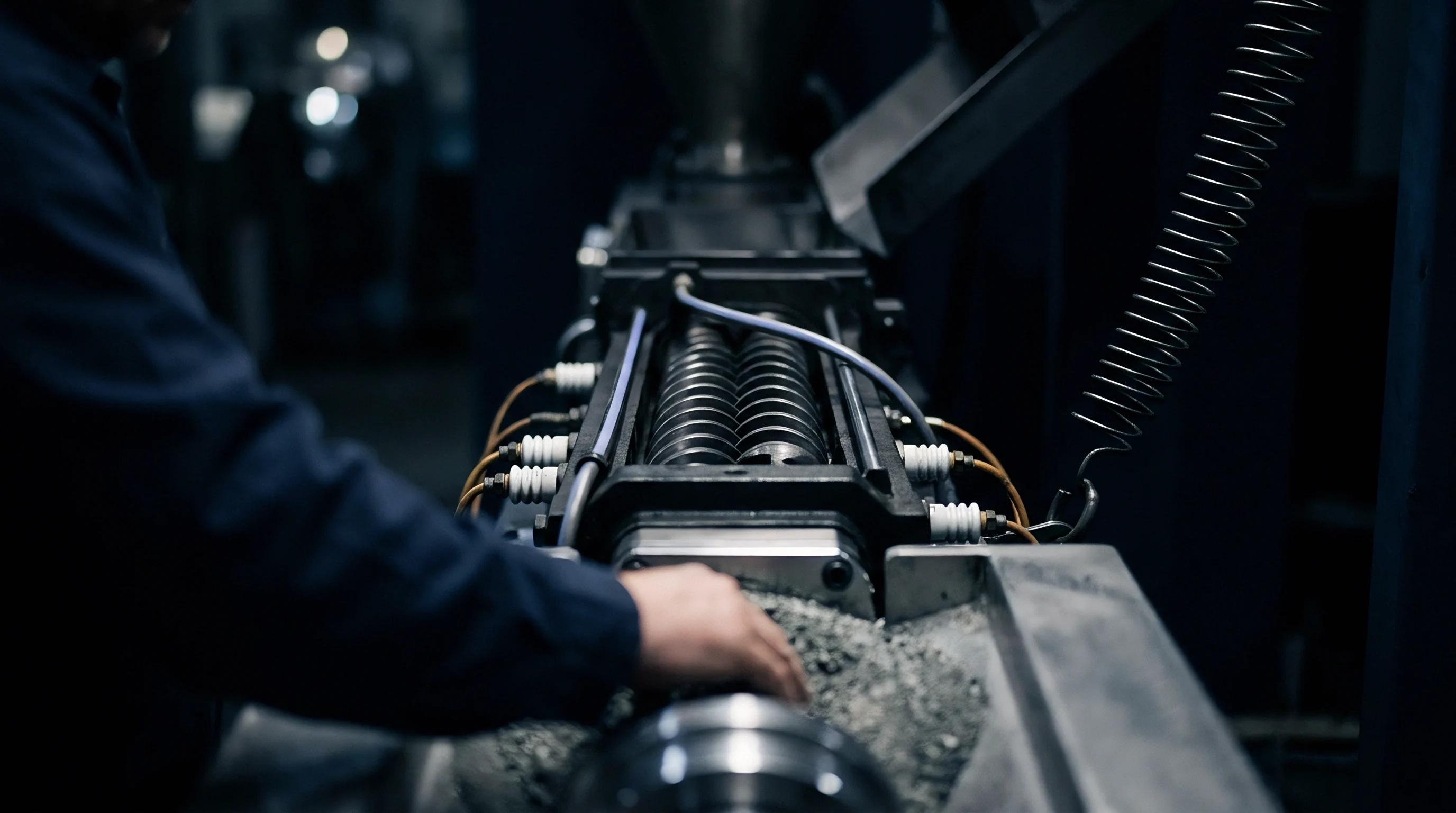
Financial Impact of Tariff Heading Reclassification
Landed cost calculations incorporate standard most-favored-nation duty rates alongside regional anti-dumping levies. Polyethylene base resins classified under Heading 3901.10 enter North American and European ports at standard rates between six point five percent and six point three percent. Reclassifying a white masterbatch to Heading 3206.11 subjects the shipment to additional trade remedy tariffs that can exceed thirty-five percent of total customs value.
Customs authorities reclassify blends.
Customs audits trigger penalties.
Misclassifying functional additive masterbatches under basic resin primary form headings exposes the importer to retroactive duty adjustments whenever active chemical constituents dominate commercial value.
A worked example demonstrates the commercial risk. Take a forty-metric-tonne import shipment of white titanium dioxide masterbatch (sixty percent TiO2 load in an LLDPE carrier) purchased at an invoice price of twenty-four hundred US dollars per metric tonne FOB. Freight and marine insurance add four thousand US dollars, bringing total CIF customs value to one hundred thousand US dollars.

Worked Comparative Cost Analysis for TiO2 Concentrates
Financial modeling of a forty-metric-tonne container lot illustrates the cost variance across candidate tariff headings. Under Heading 3901.10 (polyethylene primary form), the baseline six point five percent duty incurs six thousand five hundred US dollars in tariffs, yielding a landed duty-paid cost of one hundred six thousand five hundred US dollars. If customs reclassifies the lot under Heading 3206.11 (titanium dioxide preparations) where a five point five percent base duty combines with a twenty-five percent Section 301 trade remedy tariff, total customs duty spikes to thirty thousand five hundred US dollars.
The classification shift increases landed cost by twenty-four thousand US dollars per container, equating to a six hundred dollar per metric tonne cost penalty.
| Masterbatch Type | Declared HTS Code | CIF Value (USD) | Base Duty Rate | Trade Remedy Levy | Total Duty Paid (USD) |
|---|---|---|---|---|---|
| TiO2 White (60% load) | 3901.10.00 | $100,000 | 6.5% | 0.0% | $6,500 |
| TiO2 White (60% load) | 3206.11.00 | $100,000 | 5.5% | 25.0% | $30,500 |
| Carbon Black (40% load) | 85,000 | 6.5% | 0.0% | $5,525 | |
| Carbon Black (40% load) | 3206.49.00 | $85,000 | 1.8% | 15.0% | $14,280 |
| CaCO3 Filler (70% load) | 3901.90.00 | $48,000 | 6.5% | 0.0% | $3,120 |
| CaCO3 Filler (70% load) | 3824.99.00 | $48,000 | 5.0% | 0.0% | $2,400 |
Filler loading reduces cost.
- INORGANIC LOADING FRACTION High mineral contents trigger immediate customs reclassification from polyolefin headings to chemical preparation lines.
- COUNTRY OF ORIGIN DETERMINATION Compounding transformations changing base polymer into concentrated masterbatch establish substantial transformation under origin criteria.
- PROPRIETARY ADDITIVE DISCLOSURE Secret additive CAS numbers omitted from clearance dossiers cause customs laboratories to assign conservative high-duty classifications.
Whether regional customs appeals boards will harmonize carrier mass fraction thresholds across non-polyolefin engineering resins remains an open question for importers navigating multi-jurisdictional supply chains.


Rulings
Securing binding legal determinations from customs authorities protects importers against unexpected tariff adjustments and cargo detentions at the border. Pre-clearance administrative procedures establish transparent classification standards before compounding lots depart overseas loading ports. Importers establishing formal advance classification decisions eliminate border friction and lock in accurate duty liability on recurring resin purchases.

Binding Tariff Information and Pre-Clearance Administrative Filings
Formal application filings submit polymer chemical formulations, manufacturing process flows, and laboratory test data to national customs agencies. In the European Union, a Binding Tariff Information application secures a legally binding ruling valid across all member state ports for three years. In the United States, importers request binding administrative rulings from the Customs and Border Protection National Commodity Specialist Division under Title 19 of the Code of Federal Regulations.
Laboratory reports settle disputes.
Pigment concentration shifts headings.
Customs authorities prioritize the chemical function of the active additive over the physical state of the carrier polymer when evaluating composite masterbatches.
Securing advance determinations requires absolute transparency regarding masterbatch composition. The applicant provides precise chemical descriptions of the carrier resin, melt flow indices, exact CAS numbers for all active additives, and complete weight percentages. Obtaining an advance ruling eliminates port-of-entry delays and prevents customs officers from applying arbitrary local classification interpretations.

Audit Dossier Construction for Customs Clearance Defense
A robust technical dossier consolidates independent analytical certificates, safety data sheets, and compounder formulations into a single verification package. The compliance dossier travels with shipping documentation, allowing customs brokers to present immediate technical defense whenever port officials challenge entry lines. The dossier contains independent laboratory certificates of analysis verifying carrier melt flow rate under ISO 1133, density under ISO 1183, and ash content under ISO 3451-1.
Safety data sheets must explicitly disclose Section 3 chemical constituents while preserving proprietary formulation boundaries. Compounding flow diagrams document that the masterbatch represents a physical mechanical blend rather than a newly synthesized chemical polymer. Providing complete technical documentation at customs presentation prevents cargo holds and protects supply chain continuity.
Submitting fully disclosed chemical analysis alongside binding advance classification decisions eliminates port detention risk and secures predictably landed freight costs.