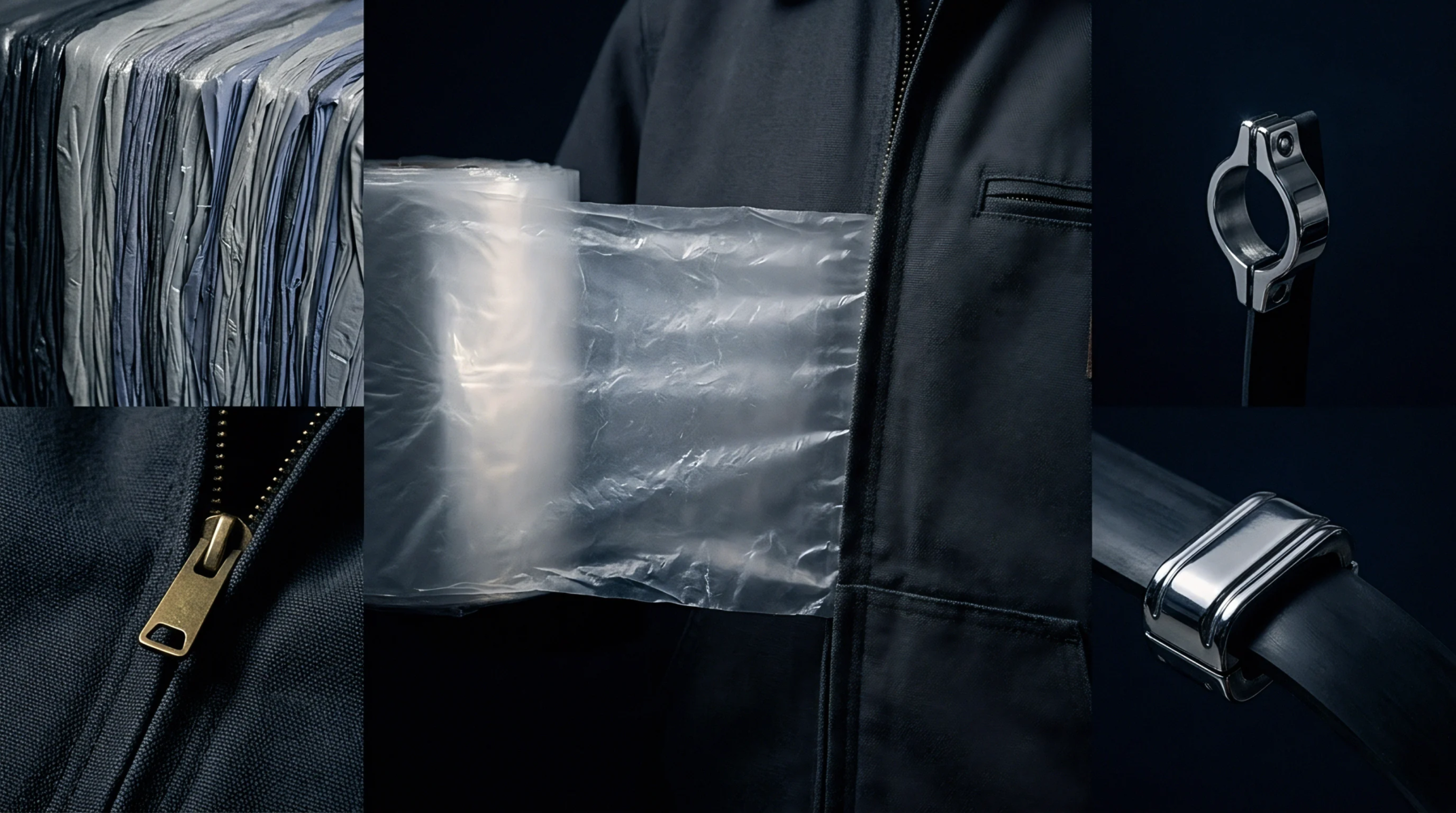
Standard Customs Classification Boundaries for Prime Polyolefin Import Shipments
Polyolefin customs classification relies on monomer weight ratios via 13C-NMR and density thresholds under ISO 1183-1 to fix accurate import duty lines.
Financial liability represents the potential for retrospective fiscal penalties levied against imported polymer resins when authorities identify price manipulation or unfair government support for foreign manufacturers. Anti dumping duty exposure attaches to procurement contracts as a contingent liability that remains volatile until regulators finalize specific investigation results. Purchasing agents monitor this potential cost when evaluating international resin sources because unexpected assessments can exceed the original profit margin on a production run.
Domestic suppliers gain a relative advantage when legal authorities impose these surcharges on overseas commodities. Moulders often discover this risk factor when auditing landed costs for offshore polyamide or polyethylene stocks. Regulations function to protect internal markets from low-cost imports that threaten local manufacturing stability.
Calculations for this potential charge rely on the difference between the actual transaction price and the normal value established by trade commissions. Customs officials trigger this valuation process when they detect import volumes that deviate from long-term price norms. Managers evaluate anti dumping duty exposure by reviewing past trade petitions and active investigations that link specific resin grades to prohibited pricing behaviors.
Accurate forecasting allows a production facility to set aside reserves or switch to reliable regional sources before a preliminary finding creates a binding payment obligation. High volatility exists in this sector because political shifts frequently alter the status of active trade barriers. Accurate data helps a procurement team mitigate the sudden spikes in resin costs that follow official duty declarations.
Sourcing departments evaluate these financial risks during the vendor selection phase for injection moulding operations where raw material costs constitute the largest share of part value. Proactive teams demand transparency from international suppliers regarding the origin of base monomers and additives that define the final resin chemical composition. Anti dumping duty exposure acts as a hidden tax that shifts the viability of a project from a domestic site to a foreign location or vice versa.
Procurement managers frequently request certifications that confirm the resin origin does not trigger active sanctions in the destination country. Production schedules face disruptions if a customs hold results in a sudden duty imposition that renders a specific resin batch economically unfeasible for high-volume manufacturing.
Part design remains vulnerable to these market interventions when engineers lock in a specific imported resin without a verified backup source. Engineers manage this instability by qualifying a domestic equivalent that provides identical melt flow rates and mechanical performance to avoid sudden production halts. Anti dumping duty exposure creates a distinct barrier to entry for low-cost virgin resins that rely on aggressive pricing to displace established domestic materials.
Manufacturers absorb the cost of these tariffs directly into the cost of goods sold unless a contract allows for price pass-through adjustments based on trade policy changes. Regulatory agencies enforce these duties to ensure the integrity of polymer markets against systematic undervaluation. Successful cost management involves identifying these liabilities before purchase orders move to the warehouse floor.
Polyolefin customs classification relies on monomer weight ratios via 13C-NMR and density thresholds under ISO 1183-1 to fix accurate import duty lines.
Expertise is a utility, not a secret. sentiention™ publishes its working knowledge as open reference: intelligence layer covering the materials it sources, the markets it enters, and the reference that serves both.