Perfecting Foreign Chattel Bailment Registration under Local Civil Codes
Perfecting foreign tooling bailments under civil codes requires formal public registry filings and permanent engraved plaques to defeat creditor seizure.
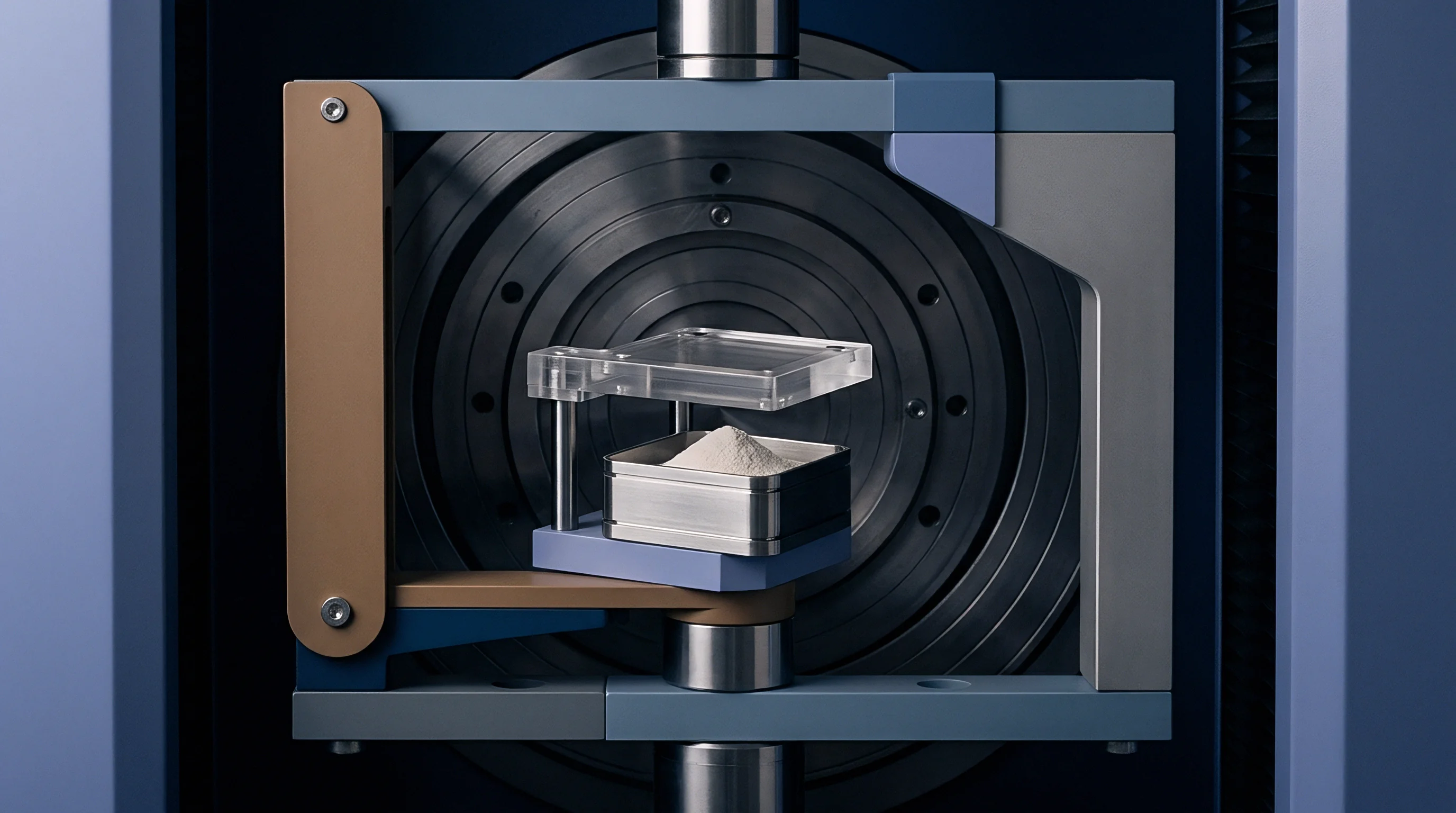
Registry
Moving tooling across borders places high-value steel onto foreign factory floors where local laws govern who legally owns what is in their possession. Under traditional civil code principles, holding physical custody of an asset creates a strong presumption of ownership. If an injection mould sitting in a tier-one facility in Mexico, Germany, or China has not been properly recorded, local creditors will view it as the supplier’s property.
Perfecting title makes foreign ownership enforceable against third parties and keeps the asset off the local supplier’s balance sheet, but doing so requires filing publicly before the equipment arrives through customs.
How those registrations work depends on the jurisdiction. Mexico uses the Registro Único de Garantías Mobiliarias to log bailment contracts (comodato), which establishes priority even against tax seizures. China routes movable asset bailments through the Unified Commercial Mortgage Registration System, managed by the Credit Reference Center of the People’s Bank of China.
Germany relies on the Bürgerliches Gesetzbuch, securing title retention through clear segregation agreements and notarized bailment deeds instead of a central public registry. In every case, filing rules are strictly enforced and binding on bankruptcy administrators.
Civil code jurisdictions treat unrecorded foreign machinery as unencumbered supplier balance sheet assets during liquidation proceedings.
Registry entries need to identify the tooling in detail. Vague descriptions like “plastic injection tool” do not hold up in court against competing bank liens. A proper filing specifies the steel grade, cavity count, total stack weight, hot runner electrical layout, and engraved serial numbers.
Any mismatch between the shipping invoice and the registered dossier can invalidate the filing when a dispute arises.
| Jurisdiction | Registry Platform | Civil Code Basis | Perfection Instrument | Filing Window |
|---|---|---|---|---|
| Mexico | Registro Único de Garantías Mobiliarias | Commerce Code Art. 32 bis | Notarized Contrato de Comodato | Within 15 days of customs clearance |
| China | PBOC Movable Financing Registry | Civil Code Book II Property Rights | Online Bailment Filing and Asset Notice | Prior to machine press installation |
| Germany | Local Amtsgericht Title Depository | BGB Section 868 Indirect Possession | Besitzkonstitut Title Transfer Deed | Simultaneous with tool dispatch |
| Vietnam | National Registration Agency for Secured Transactions | Civil Code 2015 Chapter XIX | Bailment Certification Filing | Within 10 days of factory delivery |
| Brazil | Cartório de Registro de Títulos e Documentos | Civil Code Art. 129 Public Records | Registered Contrato de Mútuo or Comodato | Within 30 days of import entry |
Filing locally takes precedence over general floating charges held by domestic banks. Lenders regularly secure enterprise-wide liens covering all equipment on a borrower’s shop floor. A formal registration carves the tooling out from that blanket claim, recording the foreign buyer on the public ledger as sole legal owner with priority over insolvency trustees.
Ultimately, public registration is what locks in that legal priority.
- Incomplete Asset Descriptions invalidate public filings when machine serials on the platen do not match the registry sheet, releasing the mould to local liquidation receivers.
- Untranslated Bailment Contracts trigger procedural rejection in civil tribunals because local statutes demand verified translations prepared by court-certified sworn translators.
- Lapsed Duration Clauses cause bailment registrations to terminate automatically before production runs conclude, leaving multi-cavity tooling exposed to unsecured creditor attachments.
- Omitted Value Declarations provoke administrative tax audits when customs commercial invoices list replacement values diverging from the figures entered on local commercial chattel registries.
Failing to complete local registration effectively turns customer-owned tooling into general debtor collateral. When local bankruptcy courts attach plant assets, the buyer can end up having to buy back its own moulds at a public auction.

Plaque
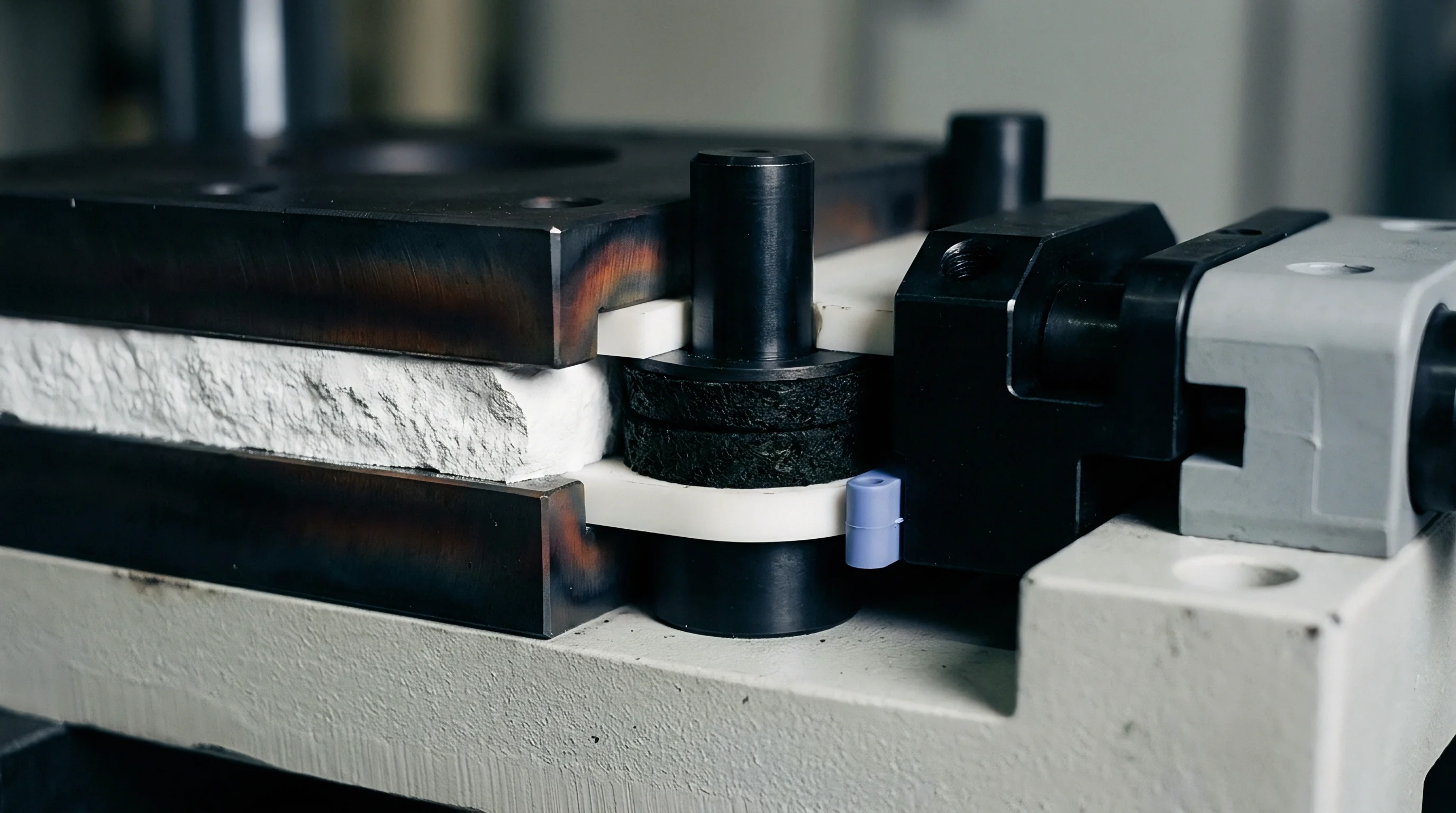
Metal placards fastened directly to a mould base offer immediate visual proof of ownership. Because civil law assumes the party operating the press owns the equipment, clear physical markings are needed to show otherwise. A tool built from P20 or 420 stainless steel needs tamper-proof metal plaques bolted into milled pockets on both clamping plates, displaying the owner’s company name, tax identification numbers, and public registry details.
Every identification plate must be mechanically secured.
Stickers and painted markings do not withstand regular press operation. Running temperatures for automated tooling range from 40 to 160 degrees Celsius, with polycarbonates and polyamides keeping steel surfaces above 120 degrees. Standard labels break down in under fifty thousand cycles from exposure to high heat and hydraulic mist.
To prevent this, toolmakers mill 3.0-millimeter deep pockets into the top clamp plate and bottom ejector housing plate to fit anodized aluminum or stainless steel plaques.
Permanent physical identification on the clamp plate carries equal evidentiary standing to the digital filing receipt in civil evidentiary hearings.
Plaque placement must be planned around press clearances, staying clear of tie-bar travel, hoist tap holes, and hydraulic core couplings. If a plaque is hidden on an internal support pillar under the ejector grid, court officials cannot inspect it easily. Mounting matching plaques on both the operator and non-operator sides allows verification without unbolting the tool from the press.
Stamped metal holds up under continuous press heat.
Engraving needs to be deep enough to stay legible over years of production. Laser etching shallower than 0.05 millimeters quickly clogs with grease, carbon, and rust preventatives. Rotary mechanical engraving cuts 0.40 millimeters into the plate, so the text survives heavy chemical and ultrasonic cleaning.
Toolmakers then attach the plaques with blind shear-head drive screws or hardened roll pins to stop press operators from removing them with hand tools.
- Plate Surface Preparation requires milling a pocket with 0.20-millimeter clearance to accommodate thermal expansion discrepancies between the brass plaque and the 1.2344 tool steel base.
- Fastener Selection utilizes blind tamper-proof 316 stainless steel drive rivets that shear flush with the plaque surface upon torque seating to defeat casual mechanical removal.
- Text Data Standardization mandates rotary mechanical engraving of the foreign entity identification, domestic registry recording code, asset capitalization number, and direct bailment declaration.
- Inspection Window Auditing specifies documented photographic records of plate legibility at each scheduled preventive maintenance cycle every one hundred thousand clamp strokes.
Toolmakers often complain that adding client asset plaques slows down sampling and adds unplanned milling hours to basic mould base work.
Levy
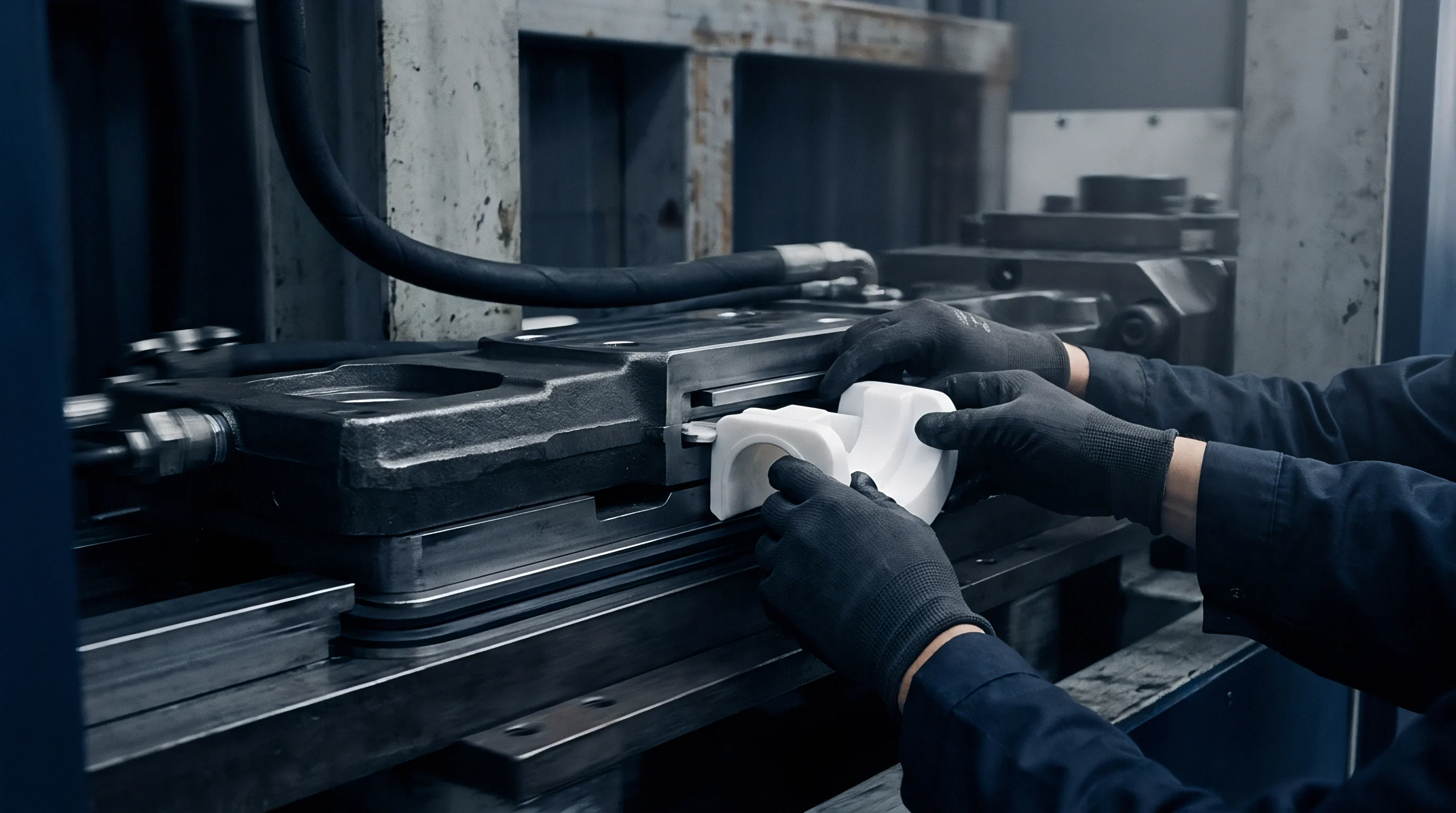
Court seizures happen without notice when a foreign contract manufacturer defaults on local debts. Landlords, utility companies, and tax authorities can obtain emergency attachment orders from local civil judges. When court marshals seal a facility, they seize everything on the shop floor.
A mould mounted in a press is automatically impounded under the assumption that it belongs to the plant owner, and overcoming that presumption requires immediate proof of perfected third-party title.
Documented title is essential for defeating unsecured claims.
Bailiffs inspect equipment on site during debt enforcement actions. If a sixty-tonne multi-cavity hot runner tool has registered identification plaques and the facility presents a certified bailment document, the bailiff is required to exclude it from the seizure list. Without that documentation, the marshal will place an official seal across the parting line.
Tampering with that seal is a criminal offense, immediately halting the customer’s production.
P20 tool steel plates stamped with bailor tax designations preserve title against third-party judicial attachments up to three years post-filing.
Landlord liens pose a major threat to unregistered tooling. Civil codes throughout Europe, Latin America, and East Asia give property owners priority possessory rights over all equipment brought onto leased premises to secure back rent and restoration costs. If the supplier fails to pay rent, the landlord can exercise a right of retention, holding the tooling inside the building until the back debt is cleared.
Insolvency proceedings can freeze all shop-floor operations.
A perfected bailment overrides a landlord’s retention rights. Because a landlord lien applies only to tenant-owned property, a valid public registry entry proves the tenant never owned the equipment. The foreign owner must present certified copies of the registered agreement along with customs delivery records.
Without that proof, the buyer may have to pay off the supplier’s overdue rent just to get its moulds back.
| Claimant Category | Legal Mechanism | Statutory Basis | Priority Over Unregistered Tooling | Priority Over Perfected Bailment |
|---|---|---|---|---|
| Plant Landlord | Right of Retention Pledges | Civil Code Landlord Liens | Absolute possessory retention | Subordinate upon proof of bailment |
| Secured Bank | Floating Enterprise Mortgage | Commercial Code Chattel Pledge | Attaches to all factory equipment | Extinguished by prior public filing |
| Fiscal Authority | Tax Assessment Attachment | Statutory Sovereign Liens | Seizes all assets on premise | Survives if import duties unpaid |
| Unpaid Labor | Statutory Wage Liens | Federal Labor Codes | Primary charge over premises | Subordinate if asset owned externally |
| Subcontractor | Mechanic Toolmaker Liens | Civil Code Repair Retention | Pledges tool until repair paid | Superior for direct tool maintenance |
| Mechanic liens asserted by local toolmakers for unpaid engineering modifications remain superior to registered bailor ownership until direct service invoices are discharged. | ||||
Labor claims create additional legal hurdles in Latin America. In Mexico and Brazil, labor codes give unpaid wages and severance absolute priority over commercial claims during liquidation. Labor courts will readily order factory machinery auctioned off to pay workers.
A registered comodato contract protects the tooling by proving it cannot be sold to satisfy the employer’s payroll obligations.
Physical possession gives local claims an initial evidentiary advantage.
The bailment contract must clearly separate the tooling from the plant’s operational assets. Clauses should state that the equipment remains external property and explicitly prohibit the supplier from pledging, sub-leasing, or moving the steel without written permission from the owner. This clear prohibition cuts off supplier claims of implied ownership in emergency court hearings.
Stipulating that the supplier holds physical custody solely to produce parts under a non-assignable license leaves bankruptcy trustees with no legal ground to include customer tooling in general creditor distributions.
Replevin
Pulling a production mould out of a hostile or failing foreign plant requires combined legal and technical planning. Local civil procedure governs recovery through replevin petitions or preliminary injunctions. The buyer must apply to local courts for an ex parte order of possession, proving perfected ownership and showing immediate risk that the tool will be damaged or moved.
Judges expect full documentation covering initial title, customs clearance, and active bailment registration.
Courts require immediate documentation before granting access.
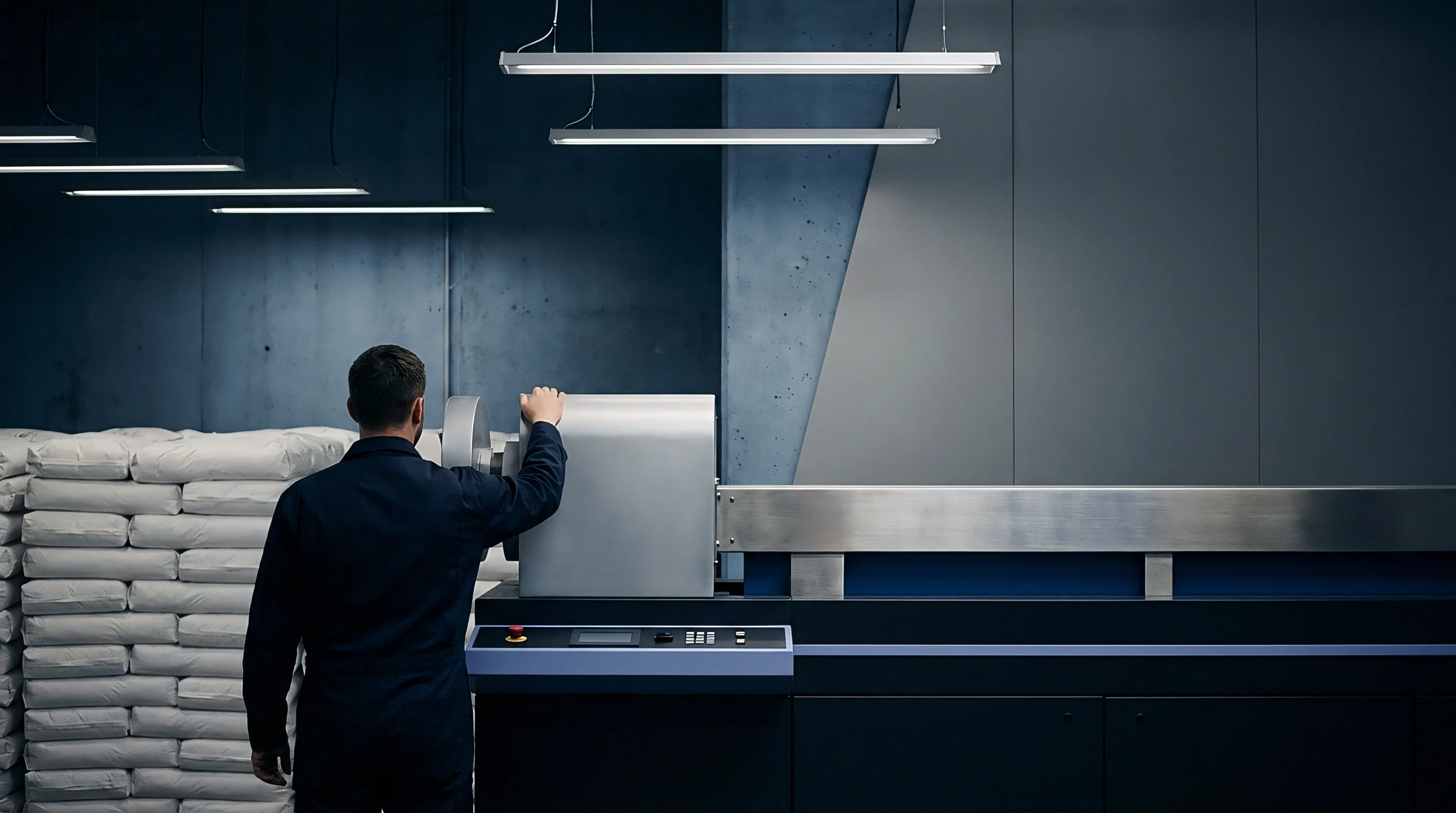
Removing the physical tool requires experienced riggers working with court officials. Pulling a forty-tonne injection mould from an eight-hundred-tonne hydraulic press carries real operational risk. Technicians have to disconnect cooling lines, hot runner cables, pneumatic sequences, and hydraulic knockouts before unbolting the clamps.
Inexperienced court bailiffs attempting extraction on their own can crack hardened tool steel plates or tear out manifold wiring, ruining calibration.
Safeguarding physical machinery requires specialized handling.
Authorized extraction teams must bring their own lifting gear and transport frames. Shop cranes in distressed plants are frequently unpowered or lack certified chains. Recovery crews rely on portable gantry frames, heavy-capacity forklifts, and certified riggers backed by execution warrants.
Preparation involves installing slide retainers, securing parting-line safety straps, and capping water manifolds to prevent corrosion during shipping.
Inserting Article 2279 non-merger stipulations into the tooling bailment document prevents bankruptcy trustees from pooling foreign cavities into domestic creditor liquidations.
Police escorts are often needed to move transport convoys safely out of the area. Distressed facility owners or union reps may try to block plant gates to stop machinery from leaving. The court order should explicitly direct local police to provide security, keeping the route clear from the factory gate to the export terminal.
Physical repossession also requires significant financial resources.
- Certified Title Verification requires assembling the original notarized bailment agreement, the apostilled commercial invoice, the customs import declaration, and current public registry certificates.
- Emergency Repossession Injunction files an ex parte petition before the commercial civil court nearest the supplier facility to secure immediate seizure warrants.
- Mechanical Rigging Assessment deploys licensed toolmakers to drain fluid channels, lock mechanical slides, secure clamp plates, and oversee crane operations during press extraction.
- Customs Bonded Transfer shifts the retrieved tooling directly into a bonded warehouse under export transit manifests to prevent local tax authorities from levying domestic value-added taxes.
Recovering tooling during a plant insolvency comes down to visible, legible plaques matched to public records; unsupported verbal claims will leave equipment locked inside the factory.

Amortisation
Accounting treatments for cross-border tooling must match the working life of the steel and local depreciation rules. Buyers often advance tooling funds or spread mold costs into piece-part prices over a set volume contract. In civil law jurisdictions, paying for tooling through piece-price deductions creates confusion over when title actually transfers.
Proper bailment management requires keeping piece-part pricing entirely separate from the capital asset records.
Contract structure directly influences tax classification.
Amortizing tooling costs into part prices gives local tax authorities grounds to treat the bailment as a conditional sale. If tax examiners rule that ownership transfers incrementally with each produced part, the tool loses its protection against local creditor seizures, leaving bankruptcy administrators to argue that the supplier owns a percentage based on shot count. Clean structure keeps full ownership with the buyer from the start, treating funding advances as capital loans secured by clear bailment filings.
Poorly maintained documentation invites legal seizure.
Tool maintenance directly impacts recorded asset values. A mould processing glass-filled polyamide suffers gate wear and cavity erosion over hundreds of thousand cycles. The contract must spell out who handles routine maintenance, insert swaps, and polishing.
Without enforced maintenance standards, suppliers can run tooling to failure, eroding the asset value logged on the owner’s balance sheet.
Disposing of end-of-life tooling involves additional regulatory delays.
Scrapping obsolete tooling creates regulatory and tax complications in major manufacturing hubs. Scrapping a mould in Mexico or China can trigger customs audits if it arrived under temporary import status. The owner has to either ship the scrap back out of the country or obtain official destruction certificates from certified recycling facilities.
Leaving old tooling at a supplier facility leaves active filings open, creating ongoing tax exposures and reporting obligations.
| Tooling Asset Valuation Tier | Registry Filing and Notarisation Fee | Physical Plaque Machining Expense | Judicial Replevin Legal Retainer | Emergency Rigging and Extraction Cost |
|---|---|---|---|---|
| Tier 1: Up to 50,000 USD | 1,200 USD | 350 USD | 8,500 USD | 4,000 USD |
| Tier 2: 50,000 to 150,000 USD | 2,100 USD | 500 USD | 14,000 USD | 7,500 USD |
| Tier 3: 150,000 to 300,000 USD | 3,400 USD | 750 USD | 22,000 USD | 12,000 USD |
| Tier 4: Exceeding 300,000 USD | 5,200 USD | 1,200 USD | 38,000 USD | 25,000 USD |
The cost of perfecting a bailment is small compared to legal repossession expenses. Cutting registration budgets to save upfront cash exposes companies to full asset write-offs if a supplier goes bankrupt. The real comparison is between routine administrative filing fees and the cost of lost production while waiting twelve weeks to rebuild multi-cavity tooling under emergency timelines.
A major open question is how trade frameworks will reconcile conflicting civil code filing rules with automated digital asset registries across different international jurisdictions.