Harmonizing Pyrolysis Co-Feeding Allocation with Finished Article Migration Dossiers
Pyrolysis co-feeding requires pairing mass balance allocation documents with physical batch-specific migration screening to validate food contact dossiers.


Pipe

Thermal Cracking Mechanics and Co-Feeding Dynamics
Co-feeding plastic pyrolysis oil into naphtha steam crackers introduces complex hydrocarbon mixtures into furnace coils running between 780 degrees Celsius and 860 degrees Celsius. Virgin petroleum naphtha consists mostly of straight-chain, branched, and cyclic alkanes boiling between 35 degrees Celsius and 180 degrees Celsius; by contrast, pyrolysis liquid from post-consumer mixed polyolefins carries higher levels of olefins, conjugated dienes, heteroatoms, and dissolved metals. Thermal cracking yields ethylene and propylene alongside butadiene, aromatics, and pyrolysis gasoline.
Because the feed identity shapes the chemical makeup of the resulting polymer units, it directly alters final migration profiles in polyolefin resins destined for food contact.
Uncaptured contaminants in crude pyrolysis oil shift furnace coking rates and bleed through downstream fractionation columns. Organochlorine species from PVC in the waste feedstock cleave thermally into hydrogen chloride gas, driving acid-catalyzed side reactions and corroding furnace tubes. Silicone rubbers yield organosilicon compounds that degrade into volatile siloxanes, depositing as silicon dioxide on cracker catalysts and quench oil heat exchangers.
When these trace species reach polymer-grade ethylene and propylene, they either bind into the polymer backbone or persist as free low-molecular-weight residues that can migrate out of finished food contact articles.
| Contaminant Class | Cracker Feed Tolerance | Primary Chemical Species | Downstream Migration Risk | Relevant Simulant and Condition |
|---|---|---|---|---|
| Organochlorines | 10 milligrams per kilogram | Chloroalkanes, Chlorobenzene | Specific Migration Limit 1.0 mg/kg as chloride | 3 percent Acetic Acid, 10 days at 40 degrees Celsius |
| Organosilicones | 2 milligrams per kilogram | Octamethylcyclotetrasiloxane | Non-Intentionally Added Substance screening threshold 0.01 mg/kg | 95 percent Ethanol, 10 days at 60 degrees Celsius |
| Heavy Metals | 0.5 milligrams per kilogram | Lead, Cadmium, Arsenic compounds | Heavy metal migration limits under Regulation EU 10 2011 Annex I | 3 percent Acetic Acid, 10 days at 60 degrees Celsius |
| Dienes and Aromatics | 1.0 percent by weight | Styrene, Conjugated Dienes | Specific Migration Limit 0.05 mg/kg for residual monomers | Tenax modified polyphenylene oxide, 10 days at 40 degrees Celsius |
Purifying pyrolysis liquids before cracker injection fundamentally alters the analytical profile of the final polymer. Hydrotreating applies hydrogen at 40 bar to 100 bar over nickel-molybdenum or cobalt-molybdenum catalysts to saturate olefins and strip chlorine, nitrogen, sulfur, and oxygen species. Converting unsaturated aliphatic hydrocarbons to stable alkanes lowers the risk of oxidative degradation in finished polypropylene or polyethylene films.
Conversely, incomplete hydrotreating leaves trace unsaturated species to react with oxygen during melt processing, generating aliphatic aldehydes, ketones, and carboxylic acids that migrate readily into fatty and aqueous food simulants.

Melt Processing Side Reactions and Degradation Cascades
Extruding chemically recycled polyolefins subjects residual contaminants to temperatures from 190 degrees Celsius to 280 degrees Celsius. Trace transition metals like iron, copper, and vanadium drive free radical chain scission and cross-linking. The resulting peroxide radicals trigger auto-oxidation cascades that deplete primary phenolic antioxidants and secondary phosphite stabilizers far faster than in virgin resin.
This rapid consumption skews the additive profile declared in the supplier statement of compliance, opening gaps between listed levels and the physical concentrations remaining in the container wall.
Post-consumer pyrolysis liquids introduce unsaturated hydrocarbons that alter additive oxidation kinetics during high-temperature converting operations.
Lower molecular weights allow secondary degradation products from depleted antioxidants to migrate quickly. Under thermal and oxidative stress, Irganox 1010 and Irgafos 168 break down into quinones, 2,4-di-tert-butylphenol, and oxidized phosphate esters. These compounds are non-intentionally added substances requiring toxicological assessment and migration profiling under EU food contact rules.
Testing only for target additives leaves these breakdown products unquantified, leaving food packaging migration dossiers vulnerable during regulatory audits.
High-temperature steam cracking is held to destroy organic contaminants completely, rendering pyrolysis-derived monomers identical to fossil-derived equivalents.


Credit

Mass Balance Allocation Systems and Chain of Custody Standard Models
Mass balance accounting systems track recycled content through sites where recycled and fossil feedstocks mix physically in shared piping, reactors, and storage tanks. Under standards like ISCC PLUS and RED II frameworks, facilities calculate recycled content percentages using explicit attribution models. Credit allocation rules let a site assign 100 percent recycled status to a specific product batch while assigning zero percent to concurrent output from the exact same feed mix.
This bookkeeping creates a sharp divergence between a resin lot’s physical composition and its certified regulatory claim.
Chain of custody rules recognize several allocation methods, each carrying distinct implications for compliance dossiers. Physical co-feeding models require credit allocation to mirror physical mass flows through defined operational boundaries. Site-level credit transfer models, by contrast, allow shifting credits between different chemical lines inside the site boundary, provided the carbon mass balances within a set period ~ typically one calendar year.
Free attribution rules go further, allowing credit transfers from low-value co-products such as pyrolysis gas or fuel oil directly onto high-value resins like food-grade polypropylene.
Allocation protocols have to reflect physical processing losses inside the cracker. A typical unit fed with mixed naphtha and pyrolysis oil yields roughly 30 percent ethylene, 15 percent propylene, 10 percent pyrolysis gasoline, and 5 percent C4 streams, with the remainder converted to heavy fuel oil and methane for internal process heating. Models that apply a rolling carbon yield adjustment scale the total credit pool to avoid artificial credit inflation.
Crediting 100 percent of raw pyrolysis oil mass to final polymer mass without deducting furnace conversion losses inflates the recycled claim and invalidates certificates under chain of custody audits.
Accounting rules for mass balance credit tracking enforce operational boundaries to prevent double-counting recycled volumes across commercial supply chains:
- Proportional Fuel Deductions remove fractions consumed for energy in the cracker furnace before allocating credit balances to downstream chemical outputs.
- Chemical Conversion Yield Factors scale assigned recycled mass down based on measured yields across steam cracking, polymerization, and finishing units.
- Temporal Reconciliation Windows limit credit roll-over to twelve calendar months, forfeiting unassigned balances at the end of the accounting cycle.
- Physical Site Boundary Rules restrict credit transfers to interconnected physical infrastructure under shared operational control, prohibiting credit trades across non-contiguous assets.

Reconciling Bookkeeping Allocation with Physical Batch Compliance
Food contact authorities treat mass balance allocation documents and physical safety dossiers as entirely separate requirements. Regulation EU 10 2011 requires statements of compliance to cover physical articles placed on the market, demanding proof of specific migration limits irrespective of accounting attribution. An allocation certificate assigning 100 percent mass balance recycled content to a polypropylene resin lot offers no exemption from analytical screening for non-intentionally added substances or heavy metal contamination.
The physical batch itself must meet every analytical limit prescribed for food contact safety.
Contracts for recycled polyolefin supply must mandate batch-specific analytical migration screening alongside certified chain of custody mass balance documentation.
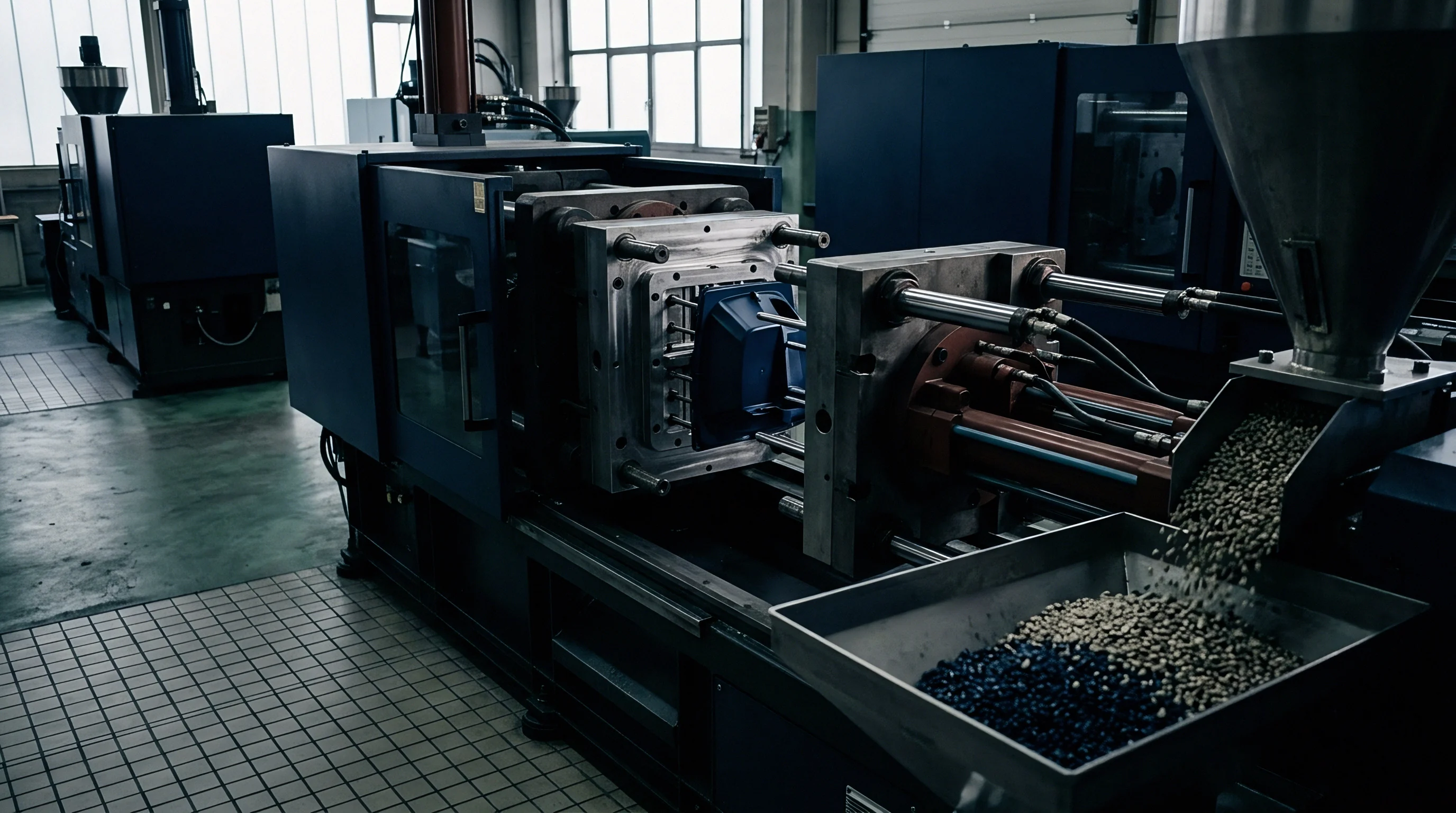
Physical sampling protocols have to align with credit transfer certificates to avoid regulatory non-compliance. When a converter buys a 20-tonne lot of certified mass balance polypropylene, the resin pellets inside the gaylords form a homogeneous melt blend of fossil-derived and pyrolysis-derived monomer units. Migration testing on this resin reflects the combined chemical reality of that feed mix, including any trace contaminants carried over from co-fed pyrolysis oil.
Building a migration dossier from virgin polymer test reports while selling the resin under a mass balance declaration creates an invalid compliance file that will fail inspection.
The contract clause specifies: Seller shall furnish batch-linked ISCC PLUS credit statements alongside analytical test reports for specific migration under EU 10 2011 Annex III using simulant D2 for 10 days at 60 degrees Celsius, confirming compliance of the physical delivery regardless of allocation balances.

Screening

Analytical Profiling of Non-Intentionally Added Substances
Screening pyrolysis-derived polyolefins for non-intentionally added substances requires combining chromatography and mass spectrometry techniques to resolve unknown volatile, semi-volatile, and non-volatile migrants. Extraction with dichloromethane or hexane isolates organic species from the polymer matrix before instrumental runs. Gas chromatography coupled to high-resolution time-of-flight mass spectrometry detects volatile hydrocarbons, residual solvents, and low-molecular-weight degradation products, while GC with triple quadrupole mass spectrometry quantifies target contaminants down to microgram per kilogram levels in complex extracts.
Liquid chromatography coupled to electrospray ionization quadrupole time-of-flight mass spectrometry identifies higher molecular weight polar migrants, such as oligomers, hindered amine light stabilizers, and plasticizer breakdown products. Atmospheric pressure chemical ionization extends detection for non-polar molecules up to 1000 Daltons. Inductively coupled plasma mass spectrometry measures elemental impurities, targeting transition metals, heavy metals, and catalyst residues like titanium, aluminum, and chromium from polymerization or upstream waste streams.
Combining these techniques builds the detailed chemical profile required for toxicological evaluation under European Food Safety Authority guidelines.
| Target Compound Class | Representative Substance | Analytical Technique | Detection Limit | Toxicological Threshold |
|---|---|---|---|---|
| Saturated Hydrocarbons | Mineral Oil Saturated Hydrocarbons C10 to C40 | GCxGC-FID / GC-MS | 0.1 mg/kg resin | 0.5 mg/kg food simulant |
| Aromatic Hydrocarbons | Mineral Oil Aromatic Hydrocarbons C10 to C40 | Online HPLC-GC-FID | 0.05 mg/kg resin | 0.01 mg/kg food simulant |
| Chlorinated Aromatics | Polychlorinated Biphenyls | HRGC-HRMS | 0.001 mg/kg resin | Detection limit requirement |
| Organophosphates | Tris 2,4-di-tert-butylphenyl phosphite | LC-QTOF-MS | 0.01 mg/kg resin | 5.0 mg/kg Specific Migration Limit |
| Cyclic Siloxanes | Dodecamethylcyclohexasiloxane | Headspace GC-MS | 0.005 mg/kg resin | 0.01 mg/kg screening limit |
Quantifying unknown chromatographic peaks relies on threshold concepts drawn from the Cramer classification system and the Threshold of Toxicological Concern approach. Unidentified peaks undergo conservative evaluation assuming Class III toxicity, setting a maximum migration threshold of 0.01 milligrams per kilogram of food or simulant. Converting peak areas to concentrations requires internal standards with matching chemical structures to limit response factor error.
If an unknown migrant exceeds 0.01 milligrams per kilogram in ethanol or acetic acid simulants, full structural elucidation is required to rule out genotoxic structures.
- Polymer Extraction Execution uses accelerated solvent extraction with dichloromethane at 40 degrees Celsius for 24 hours to isolate extractables without dissolving the polyolefin matrix.
- Extract Concentration reduces sample volume under high-purity nitrogen at 30 degrees Celsius to avoid volatile loss while achieving a 10-to-1 concentration factor.
- Instrumental Screening Injection runs simultaneous GC-MS and LC-MS analyses to cover volatility ranges from C6 to C50.
- Spectral Library Matching cross-references spectra against NIST and Wiley databases, flagging matches with similarity indices above 80 percent for targeted verification.
- Quantitation Against Internal Standards calculates concentration levels using deuterated internal standards, applying response factor corrections from reference materials.
- Toxicological Hazard Evaluation assigns Cramer functional categories to identified structures, comparing calculated specific migration values against exposure limits.

Can Analytical Screening Substitute Batch Mass Balance Data?
Analytical migration testing verifies chemical safety, but it cannot determine or verify the accounting origin of carbon atoms in a polymer chain. Mass spectrometry cannot distinguish between ethylene derived from fossil naphtha and ethylene from polyolefin pyrolysis ~ both monomers share identical chemical bonds, molecular weights, and isotopic distributions. Accelerated solvent extraction and high-resolution GC measure migrating contaminants to confirm compliance with Regulation EU 10 2011 specific migration limits.
Physical testing checks material safety; it does not validate whether a supplier holds valid ISCC PLUS sustainability credits for a given batch.
Analytical migration screening detects NIAS down to 0.01 milligrams per kilogram in 50 percent ethanol after 10 days at 40 degrees Celsius, but chemical testing alone cannot verify credit transfer accounting across site boundaries.
Determining bio-based carbon fractions relies on Carbon-14 isotopic analysis per ASTM D6866 or EN 16640 standards. But fossil-derived post-consumer plastic waste contains no active Carbon-14, leaving radiocarbon dating unable to distinguish post-consumer pyrolysis recycled content from virgin fossil petroleum. Both feedstocks register zero Carbon-14 activity in the final polyolefin.
Analytical testing proves chemical purity and toxicological safety; independent third-party chain of custody audits verify mass balance credit allocations. Legal compliance for food-contact articles requires integrating both into a single dossier.
Evaluating mass balance claims requires understanding how trace pyrolysis impurities behave through repeated extrusion cycles over multiple recycling loops ~ an area where long-term migration data remains sparse.


Dossier

Structuring Statements of Compliance and Migration Supporting Files
A comprehensive migration dossier for packaging made from pyrolysis co-fed polyolefins combines legal compliance declarations with lab verification records. Regulation EU 10 2011 Annex IV defines mandatory elements for statements of compliance: explicit identification of the intermediate or finished plastic article, confirmation of compliance with relevant specific migration limits, and disclosure of any dual-use food additives. When chemically recycled polymers are declared, the dossier must directly link the chain of custody certificate to the manufacturing batch numbers on the physical invoice and bill of lading.
Analytical files must include complete test protocols detailing contact conditions, simulant selection rationale, and lab detection limits. Compliance for fatty food contact requires testing with food simulant D2 (plant oil) or approved alternatives like 95 percent ethanol or isooctane under the time and temperature regimes in EN 1186 and EN 13130. Substituting 10 percent ethanol when testing fatty food contact yields an invalid report that will fail regulatory audits at port entry.
Managing food contact compliance files for mass balance recycled polymers requires strict documentation across five core areas:
- Supplier Statement of Compliance verifies compliance with Regulation EC 1935 2004, Regulation EU 10 2011, and Regulation EC 2023 2006 on good manufacturing practice.
- Chain of Custody Certificate attaches valid third-party mass balance accreditation documentation, such as ISCC PLUS, matching physical shipment batch numbers.
- Overall Migration Test Reports document overall migration limits below 10 milligrams per square decimeter of material surface area across all prescribed food simulants.
- Specific Migration Test Reports demonstrate compliance with individual substance limits listed in Annex I of Regulation EU 10 2011, including heavy metal restrictions.
- Non-Intentionally Added Substance Assessment provides toxicological risk evaluations for unidentified peaks detected above the 0.01 milligram per kilogram threshold.
Integration of Post-Consumer Recycled Plastics Regulations
Regulation EU 2022 1616 sets updated rules for recycled plastic materials intended for food contact, replacing Regulation EC 282 2008. The framework requires explicit European Commission authorization of recycling processes based on EFSA safety evaluations. Pyrolysis co-feeding into steam crackers falls under novel technology rules, requiring developers to submit performance monitoring data proving that decontamination steps purify waste feeds effectively before commercial deployment.
Statements of compliance must list physical resin batch numbers alongside third-party mass balance certificates to maintain food contact traceability.
Converting chemically recycled polyolefins into food contact articles requires aligning compliance documentation with both Regulation EU 10 2011 and Regulation EU 2022 1616. When using resin from an authorized recycling process, the statement of compliance must list the unique process register number alongside the operating facility identification code. Delivering resin without linking it to an authorized register number invalidates the declaration of conformity, leaving brand owners exposed to immediate enforcement action.
A complete food contact dossier relies on physical batch migration data from the final converted geometry rather than supplier datasheet values.


Exposure

Customs Verification and Import Obligation Enforcement
Customs authorities and market surveillance agencies target imported plastic packaging to check recycled content claims and food safety compliance. Importers named on entry documents bear full legal liability for product conformity under Regulation EC 1935 2004. If a container arrives with only a generic datasheet instead of a batch-specific declaration of conformity, customs officers can impound the shipment until a complete dossier is produced.
Re-testing impounded cargo at port-adjacent labs quickly accumulates heavy demurrage and storage penalties.
Packaging tax regimes across Europe levy penalties on materials that fail to meet minimum recycled content thresholds. Under the UK Plastic Packaging Tax, packaging with less than 30 percent certified recycled content incurs a charge of 217.85 pounds sterling per metric tonne. In the EU, national levies on non-recycled plastic packaging waste generate obligations of 800 euros per metric tonne.
Claiming tax exemptions on unverified mass balance claims exposes importers to tax fraud investigations, back taxes, and heavy financial penalties.
| Jurisdiction | Regulatory Framework | Baseline Tax or Fee | Modulation Criterion | Non-Compliance Penalty |
|---|---|---|---|---|
| United Kingdom | Plastic Packaging Tax | 217.85 GBP / tonne | Minimum 30 percent verified recycled content exemption | 100 percent tax penalty plus interest and criminal exposure |
| European Union | Packaging Waste Own Resource | 800.00 EUR / tonne | National plastic waste weight calculation rules | National statutory fines up to 50,000 EUR per non-compliant lot |
| Italy | Imposta sugli Imballaggi | 450.00 EUR / tonne | Exemption for certified post-consumer recycled content | Retroactive assessment plus 150 percent administrative penalty |
| Spain | Impuesto Especial Envases No Reutilizables | 450.00 EUR / tonne | ISCC PLUS or EN 15343 third-party verification required | Fine equal to double the unpaid tax liability per shipment |

Audit Vulnerabilities and Commercial Contract Risk Management
Discrepancies between supplier mass balance allocations and buyer migration dossiers regularly spark disputes during compliance audits. Brand owners buying food contact packaging require proof that articles meet specific migration limits while hitting corporate sustainability targets. If an audit shows that a resin supplier assigned mass balance credits from non-food waste without conducting NIAS screening, the buyer faces forced product withdrawals and costly packaging redesigns.
Audit workflows must validate every documentary step linking the pyrolysis oil producer to the packaging converter:
- Importers verify valid ISCC PLUS certificates matching exact batch numbers on bills of lading.
- Quality control managers request complete chromatograms and mass spectra for NIAS screening conducted on the specific resin lot.
- Regulatory auditors verify that test conditions used for specific migration testing reflect actual end-use time and temperature profiles.
- Legal counsel checks supply contracts to confirm clear indemnification provisions against packaging tax penalties arising from invalid mass balance credit assignments.
Commercial contracts need to state financial liabilities resulting from invalid compliance claims clearly. If customs rejects a shipment due to defective compliance statements, contract terms should assign direct costs ~ including demurrage, re-testing fees, and return freight ~ to the party that issued the paperwork. Writing strict documentation requirements into purchase orders ensures suppliers deliver verified compliance files before physical resin leaves the plant.
Failing to align mass balance accounting with physical migration testing leaves brand owners vulnerable to port impoundments, packaging tax fines over 800 euros per tonne, and product recalls across international supply chains.