Meaning
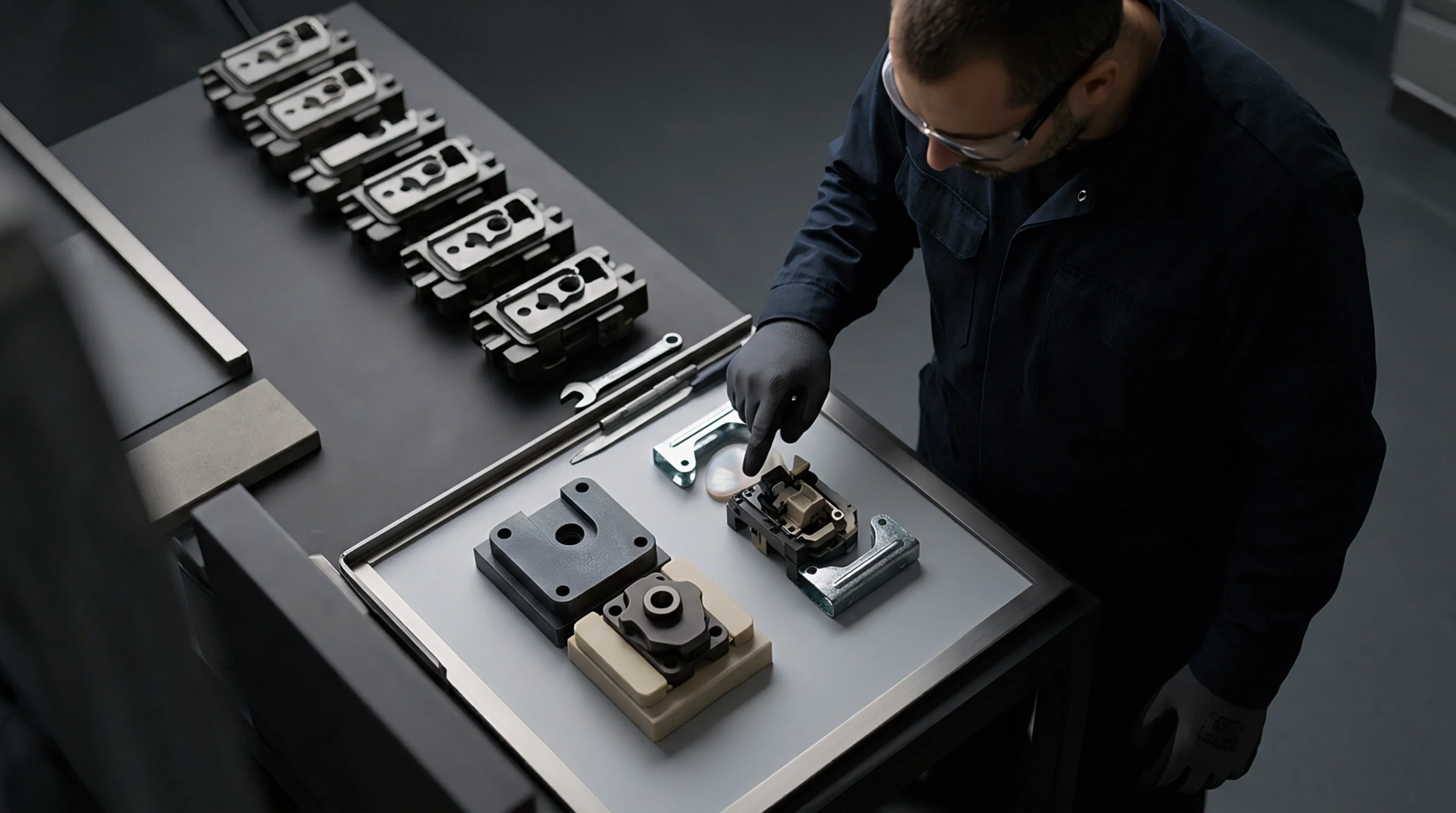
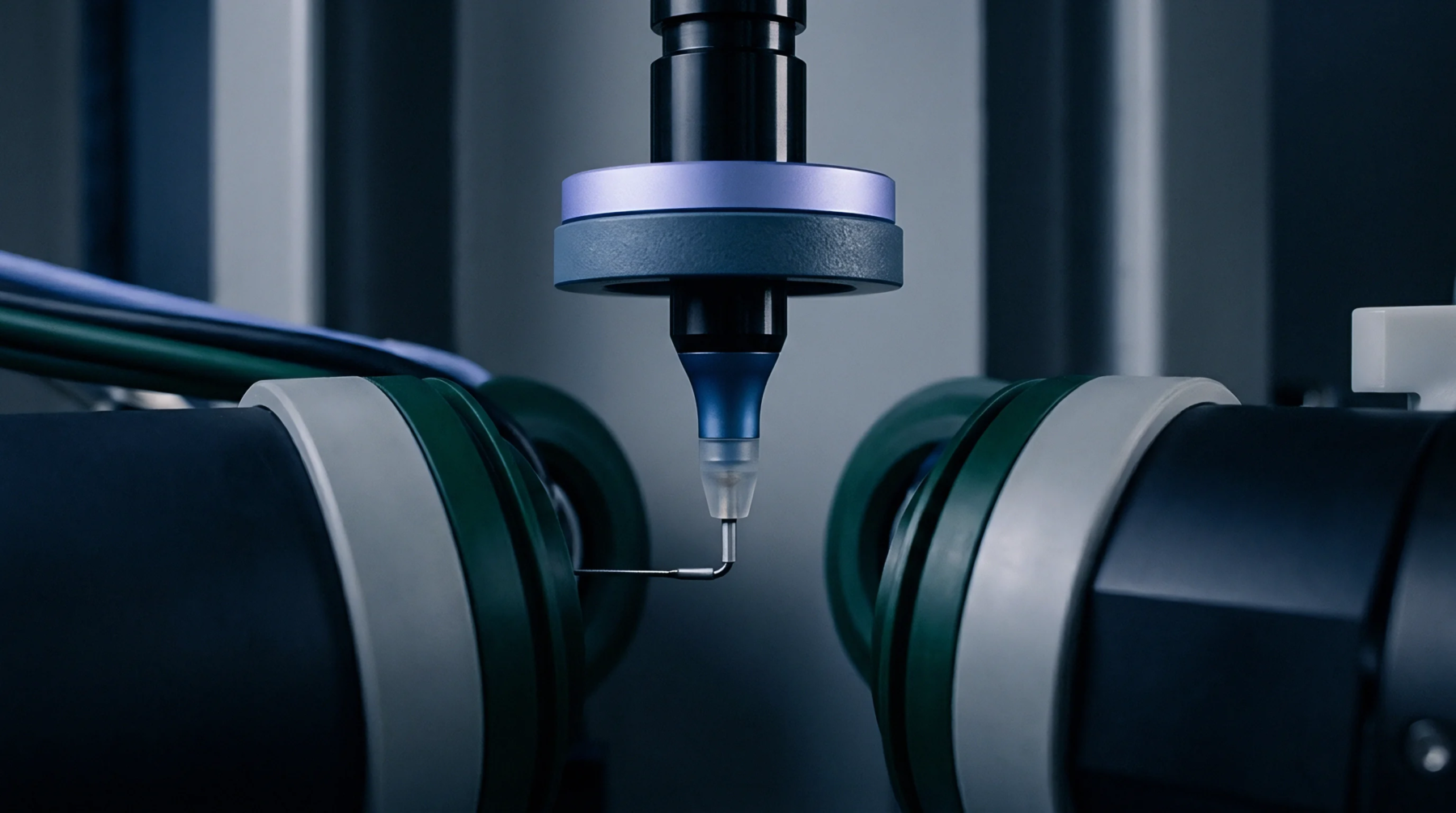
Engineering specifications that limit dimensional variation to fractions of a micrometer govern micro-injection tooling and optical component manufacturing. Holding sub-micron tolerances on cavity steel requires ultra-precision diamond turning, temperature-controlled machining environments, and specialized metrology. Such extreme dimensional constraints cease to apply to bulk polymer parts where thermal expansion coefficients cause dimensional changes far exceeding one micron during room temperature storage.
Machining Precision
Single-point diamond turning and specialized micro-grinding create optical surfaces and micro-fluidic features with sub-micron accuracy. Tooling wear during steel machining destroys these tight boundaries quickly, requiring carbide or nickel-plated copper cavity inserts. Precise cavity dimensions allow moulding optical lenses and micro-switches without secondary machining.
Thermal Expansion
Temperature fluctuations of a single degree Celsius expand steel cavities enough to breach strict dimensional bands. Moulding shops controlling ambient room air and chiller water within narrow ranges maintain true part geometry. Polymer thermal shrinkage during cooling represents the largest obstacle to achieving sub-micron tolerances on finished plastic parts.
Material Selection
Amorphous polymers like polycarbonate and cyclic olefin copolymers provide low isotropic shrinkage necessary for holding microscopic features. Semi-crystalline resins exhibit anisotropic shrink behavior that prevents holding sub-micron tolerances across changing wall thicknesses. High virgin resin purity is essential because microscopic particulate contaminants alter melt flow and distort micro-scale features.
Tooling investment for micro-scale precision pays off in high-value medical and optical applications where part failure terminates device operation.