Meaning
Durability metric for plastic piping materials measures the ability of a polymer to resist the propagation of brittle fractures over long periods. High slow crack growth resistance is essential for high-density polyethylene pipes used in water and gas distribution networks. This property determines the service lifetime of the pipe when buried underground.
Evaluation Method
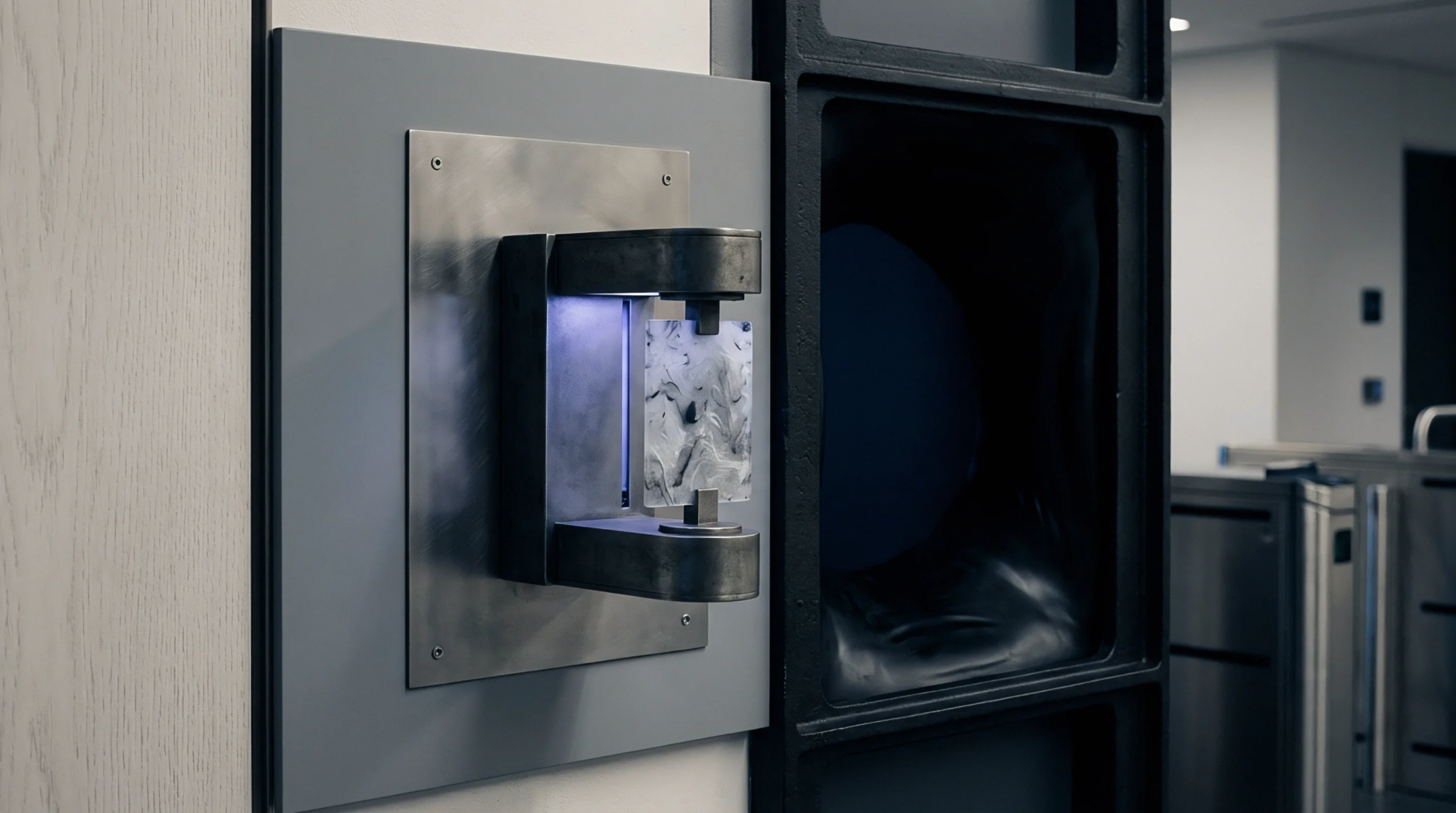
Testing involves subjecting notched specimens to constant tensile stress in a controlled surfactant solution at elevated temperatures. The time to failure is recorded, with higher times indicating superior resistance to crack propagation. Utilizing the Pennsylvania Notch Test is a standard method used to quantify this material property.
This standardized approach allows laboratory technicians to predict how well the plastic will withstand decades of continuous pressure when buried in actual field environments. Accelerated testing under high heat ensures that results are obtained within a reasonable timeframe.
Structural Mechanism
Tie molecules that span the amorphous regions between crystalline lamellae hold the polymer structure together under stress. A higher concentration of these tie molecules prevents the microvoids from coalescing into a crack. Broad molecular weight distributions and hexene co-monomers increase the number of these crucial molecular ties.
Industrial Relevance
Infrastructure networks rely on materials that can survive the stress of soil shifting and point loads from stones. Pipes with high slow crack growth resistance can be installed without protective sand bedding, reducing excavation costs. Long-term reliability is the main driver for selecting high-performance resins in municipal piping projects.