Meaning
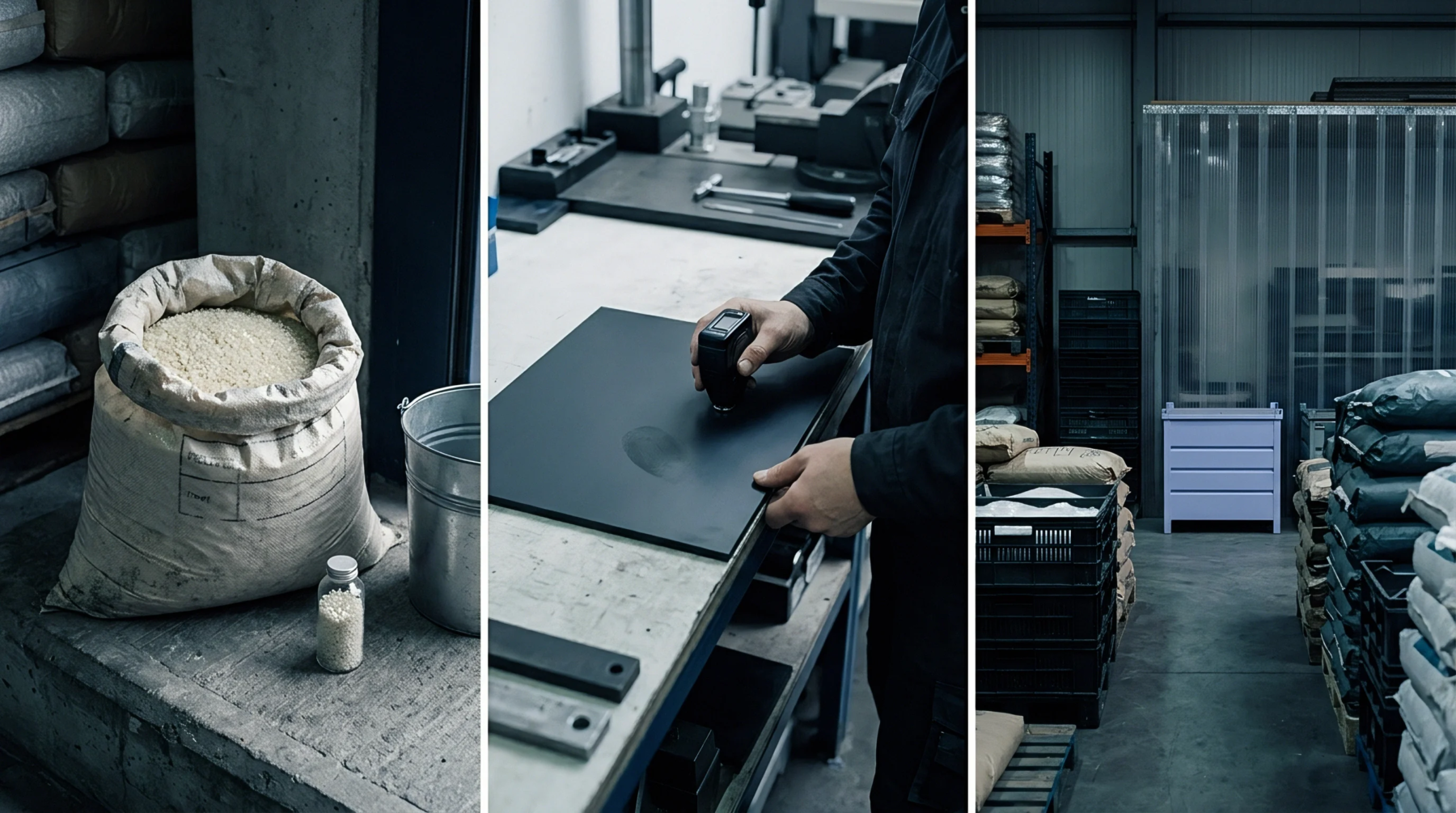
Material transfer from bulk transport vessels into plant storage containers defines this operation. Silotruck receiving provides the primary interface between upstream resin suppliers and internal warehouse management. It functions as the logistical gatekeeper for raw material inventories, requiring precise coordination between external logistics and plant floor scheduling.
Operational Protocol
Trained personnel verify seal integrity and documentation before allowing discharge. The silotruck receiving process relies on pneumatic pressure differentials to move granular plastic pellets through hoses into designated silos. Facility managers monitor intake velocity to prevent static buildup or particulate attrition that compromises material quality.
Strict connection sequences prevent cross-contamination between different resin grades stored in adjacent chambers. Failure to maintain correct pressure thresholds leads to premature line clogging or damage to transport vessel filtration systems.
Technical Specification
Granular geometry and bulk density determine the allowable transfer rate for specific polymers. Moulders distinguish between virgin pellet standards and regrind flows during silotruck receiving, because particulate contamination in recovered material causes erratic feed behavior in screw assemblies. Internal technicians establish a dedicated verification loop comparing the arrival batch datasheet against the resin property requirements defined for the finished part.
Standardized intake protocols remove moisture and airborne debris risks that trigger surface defects such as silver streaking or voiding in injection moulded components.
Process Economics
Rapid turnaround time avoids demurrage charges assessed by logistics providers for excessive equipment idling. Silotruck receiving impacts the overall facility cost structure by reducing manual handling labor and optimizing floor space usage. Effective inventory turnover minimizes degradation risks associated with long-term storage in high-humidity climates.
Proper management of intake sequences optimizes material throughput while protecting the mechanical integrity of the production line.