Meaning
Metallic debris from polymerization initiators remains trapped within the polymer matrix after the chemical reaction concludes. These residual catalyst particles originate from transition metals used to build molecular chains during high pressure or gas phase synthesis. Their concentration affects the thermal stability of the final pellet by promoting unintended oxidative degradation during downstream heat processing.
The amount is quantified in parts per million and governs the color shift or acidity levels observed in recycled plastic streams.
Processing Impact
Extrusion temperatures drive the reactivity of these trapped metallic species. Higher heat exposure triggers faster chain scission when specific mineral residues remain active in the material. This interaction causes yellowing in clear resins or unintended crosslinking that leads to brittle moulded parts.
Operators manage these variations by selecting grades with lower base metal content or by adding specific stabilizers to deactivate the ionic sites. Virgin material typically holds tighter specifications than regrind because processors cannot account for the cumulative thermal history of reused scrap.
Technical Boundary
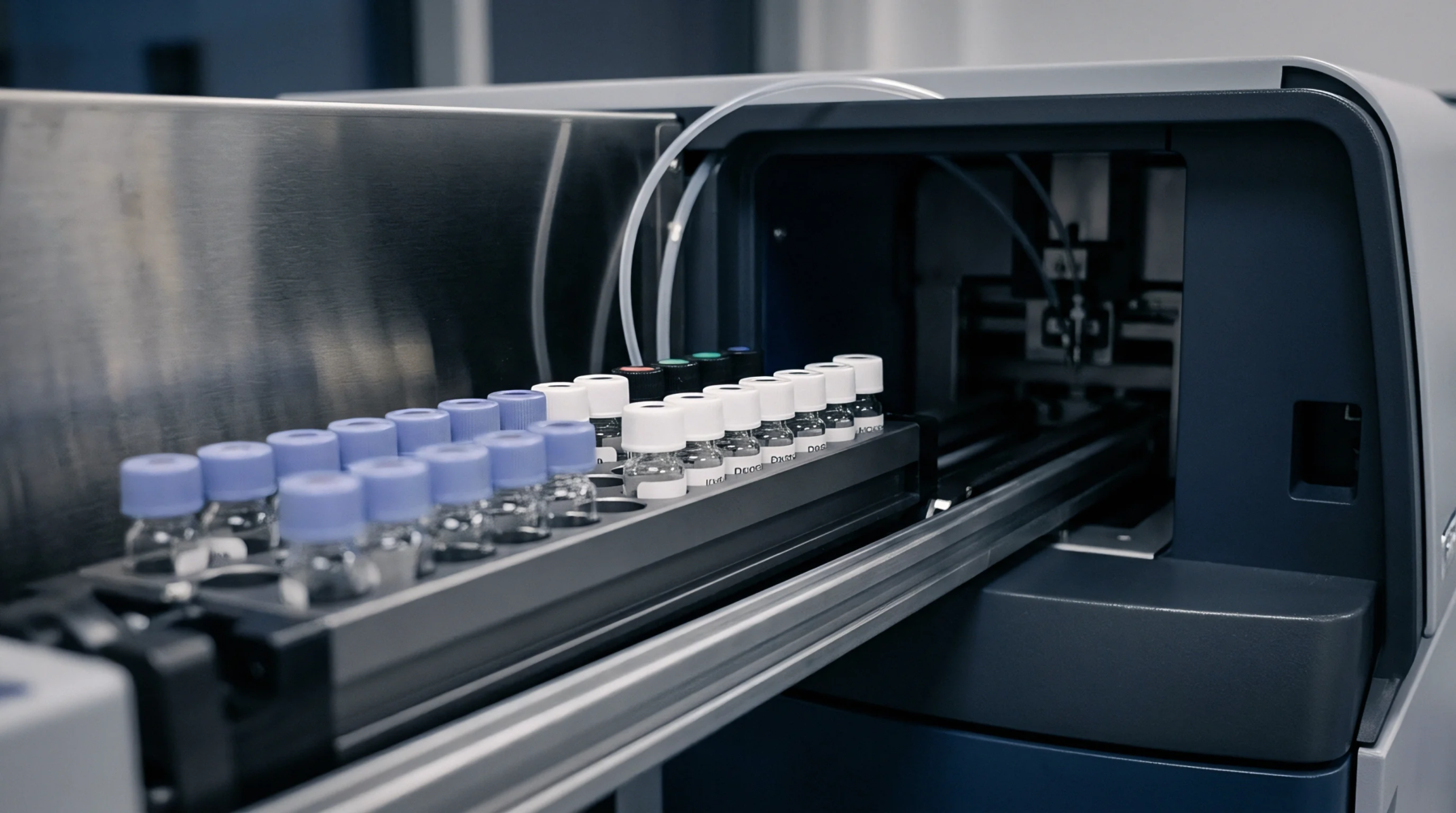
Polymer performance specifications list maximum allowed metal content to ensure long term product integrity. Laboratory testing via inductive coupled plasma analysis isolates these atoms from the carbon base to confirm compliance with purity standards. This measurement verifies that the chemical conversion process achieved the target chain length without leaving excessive mineral byproducts behind.
Quality Control
Injection moulding facilities monitor the resulting ash content as a surrogate metric for chemical purity. Tooling maintenance benefits from this discipline because high residual levels correlate with increased corrosion on mould steel surfaces. Acidic byproducts generated during the cooling phase attack chrome plating and eventually shorten the useful life of precision cavities.
Low residue counts preserve the surface finish of high clarity optical components over long production cycles.