Meaning
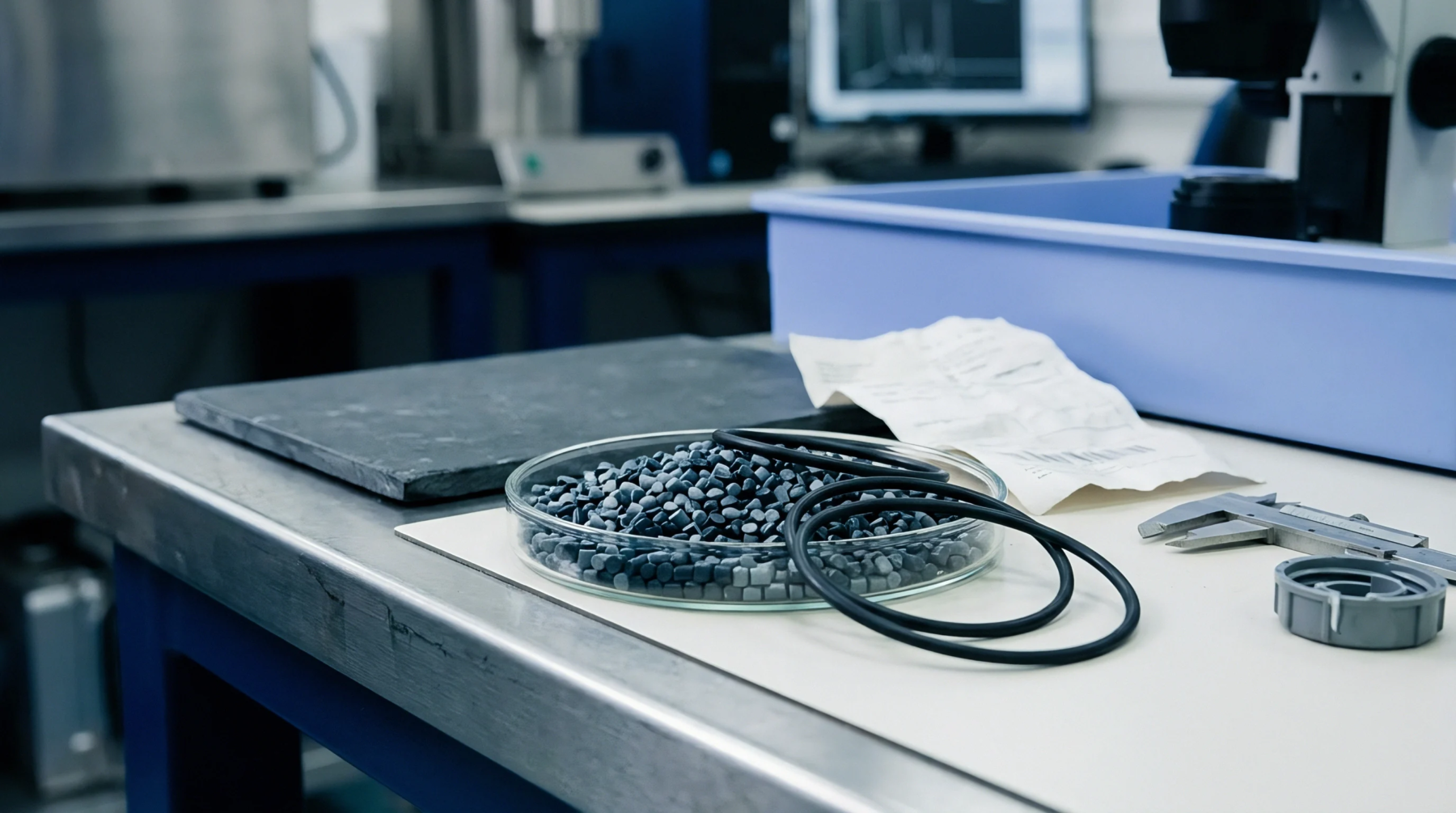
Recycled polymer feedstock derived from post-industrial or post-consumer plastic waste streams constitutes recovered polypropylene. This material undergoes sorting, cleaning, and extrusion into pellets suitable for industrial secondary manufacturing applications. The classification applies strictly to resins maintaining thermoplastic properties after at least one previous thermal history cycle.
It serves to differentiate sustainable polymer procurement from virgin monomer polymerization processes.
Material Economics
Consistent sourcing of recovered polypropylene reduces dependency on petrochemical feedstocks while lowering the carbon intensity of final components. Moulders obtain this material at a cost variance dictated by the purity level and the energy expenditure required for decontamination. Virgin resins provide predictable melt flow indices and mechanical toughness profiles that demand less process adjustment.
Contamination from extraneous polymers or organic matter forces the moulder to increase cycle times or lower injection pressures to avoid brittle part failure.
Tooling Variance
Injection moulding machines processing recovered polypropylene require wider gate geometries and increased venting capacity to accommodate fluctuations in melt viscosity. Variations in the molecular weight distribution throughout the batch lead to thermal degradation if the heater band temperatures remain fixed. Proper cooling channels regulate the crystallisation rate and prevent differential shrinkage across the surface geometry of the part.
Thermal instability during the injection phase causes surface voids or incomplete filling of thin wall features.
Performance Standard
Mechanical properties of recovered polypropylene fall below those of virgin grades due to polymer chain scission occurring during previous melt cycles. Tensile strength and impact resistance decrease proportionally with the number of times the material has experienced heat history. Verification protocols measure the melt flow rate to confirm if the batch aligns with the original engineering design intent.
Lowering the mechanical performance expectations allows for greater inclusion of recyclate without compromising the functional longevity of the moulding.